What is happening at the site
Tell us whether the tooth is already out or whether removal has been raised. A tooth that is still present should be fairly assessed for whether it could reasonably stay before a replacement is planned.


Chewing on one side to avoid a gap soon becomes a habit. For people coming from Burlington, an implant assessment at our clinic looks at that space, your bite and your health, then sets out which replacements could genuinely fit.
It usually starts small. You steer food to the other side, skip anything too firm, or notice the space when you smile in a photo. Over months it becomes part of how you eat. An implant assessment asks whether that space could be filled with an implant-supported tooth, and what else in your mouth would need attention first.
The visible crown is the last piece of a longer process. Before it comes support placed in the jaw and a healing period; after it comes cleaning at home and regular reviews. Knowing about each stage up front lets you set an implant against a bridge or removable replacement without surprises.
You are not expected to have chosen anything before you sit down. Share what you notice when you eat or smile and what you would like to change. We will examine the area, explain what other information might help, and go through the alternatives openly.
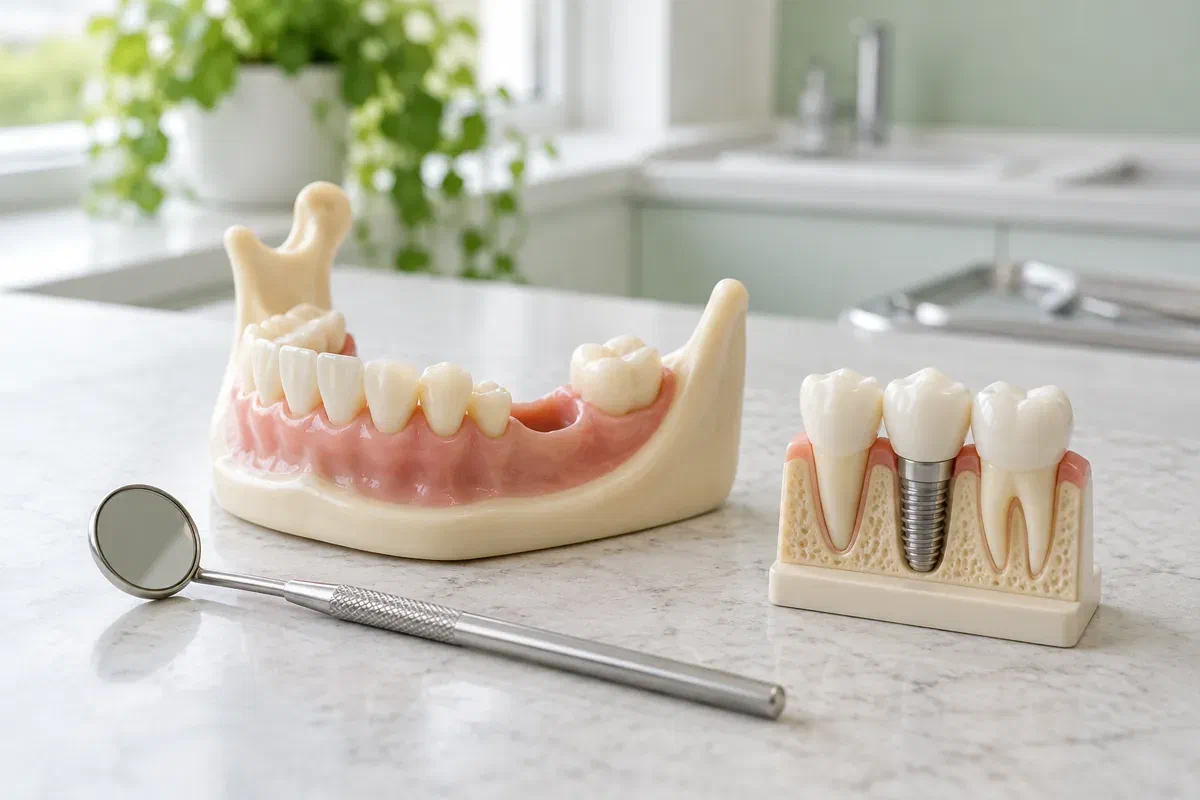
Whether a replacement makes sense depends on more than the gap. It needs sound support, a cleaning routine you can manage, and a treatment order that works with your life.
Tell us whether the tooth is already out or whether removal has been raised. A tooth that is still present should be fairly assessed for whether it could reasonably stay before a replacement is planned.
Bring a complete list of medicines and supplements, and mention any significant treatment in the past. This helps the clinician think about healing and decide whether to consult another health professional.
Describe the foods you avoid, how easy you find cleaning between teeth, and how often you can attend. These everyday details decide whether a plan that works on paper will work for you.
Continue your prescribed medicines as usual before the consultation. Any adjustment connected to dental care should be agreed with the clinicians who prescribe them.
Before implant care goes further, the assessment shows what needs to be clarified. That might be the gums, the site, how the opposing and neighbouring teeth meet, or a health matter that changes the order of steps.
Sometimes the most useful next step is more information. If a scan, further examination or referral is proposed, ask which question it is designed to answer and how that answer will shape your decision.
The visit makes it clear what seems achievable and what remains to be checked, so nobody else's experience or a general timeline is mistaken for a prediction.
Line up an implant against a bridge, a removable appliance or another approach. For each, consider the preparation, upkeep, number of appointments and the limitations that come with it.
More than one clinician may be involved in assessment, placement, restoration or follow-up. Settling that early helps you follow referrals and fees and know who to ask.
A single appointment may leave some questions open. You should hear what can be assessed now, which records may be required, and when a more complete recommendation might be possible.
Let us know how long the tooth has been missing, any earlier replacement, and what you want to improve when eating or smiling. We will also review your health history, medicines and any concerns about treatment.
The dentist examines how your teeth meet, the state of your gums, the space available and anything else relevant. Problems that need treating before implant planning will be explained in context.
Records such as imaging may be recommended to understand the site and nearby structures. Ask what is justified, whether earlier records are useful, and whether a second clinician's view would help.
We talk about what is known, what is still uncertain and the possible next steps. Ask for clear details about preparation, surgery, any temporary tooth, the restoration, fees and maintenance before deciding.
Being assessed is not the same as having surgery booked. Before leaving, make sure you know what was decided, what the next appointment or record request is, and how a current dental issue will be looked after until then.
Keep the plan, any estimate and referral details together so you can look them over at home. If anything reads as jargon, ask for it to be explained before you agree to more.
Treatment for the gums or other teeth may be suggested before further decisions about implants. Ask how progress will be reviewed and what must be confirmed before the site is ready.
If your medications, medical care or dental symptoms change while you are planning, let us know. Fresh information can affect the order of care, and an older assessment will not stay current forever.
Use the assessment to ask anything, however basic. You do not need to understand the technical side to book a first visit.
Come to our Bronte Street practice from Burlington to discuss a missing tooth and the assessment needed to compare replacements. We will help you understand your starting point, what remains to be answered, and the practical stages of a sensible plan.
Please keep sensitive medical and medication details for the clinical team at your appointment, rather than sending them in a general online enquiry.
