Changes since the tooth was lost
The bone under a gap may have reshaped and no longer suit the planned position. Mention when the tooth was removed and what has been done there, recognising that today’s examination defines the site.


Your health history, medicines and habits all play a part when bone grafting is considered for an implant. Coming from Acton, you can review the proposed site, the graft material, healing and other options with our team.
A bone graft is a surgical step, so it is planned around the person as much as the tooth. Medical conditions, medicines you take and habits such as smoking can all affect healing. The graft itself places material where an implant needs more bone, and is only suggested when your site and plan call for it.
The procedure ranges widely. A modest addition at the time of implant placement differs from a larger, separate graft that must heal before the implant is planned. Each brings different recovery demands and visit counts, which is another reason your health picture belongs in the conversation from the start.
From Acton, you can book time with our Bronte Street team to understand the assessment behind a grafting recommendation. You should come away knowing what it is intended to achieve, what alternatives exist, who would do the procedure and how the healed site will be evaluated.
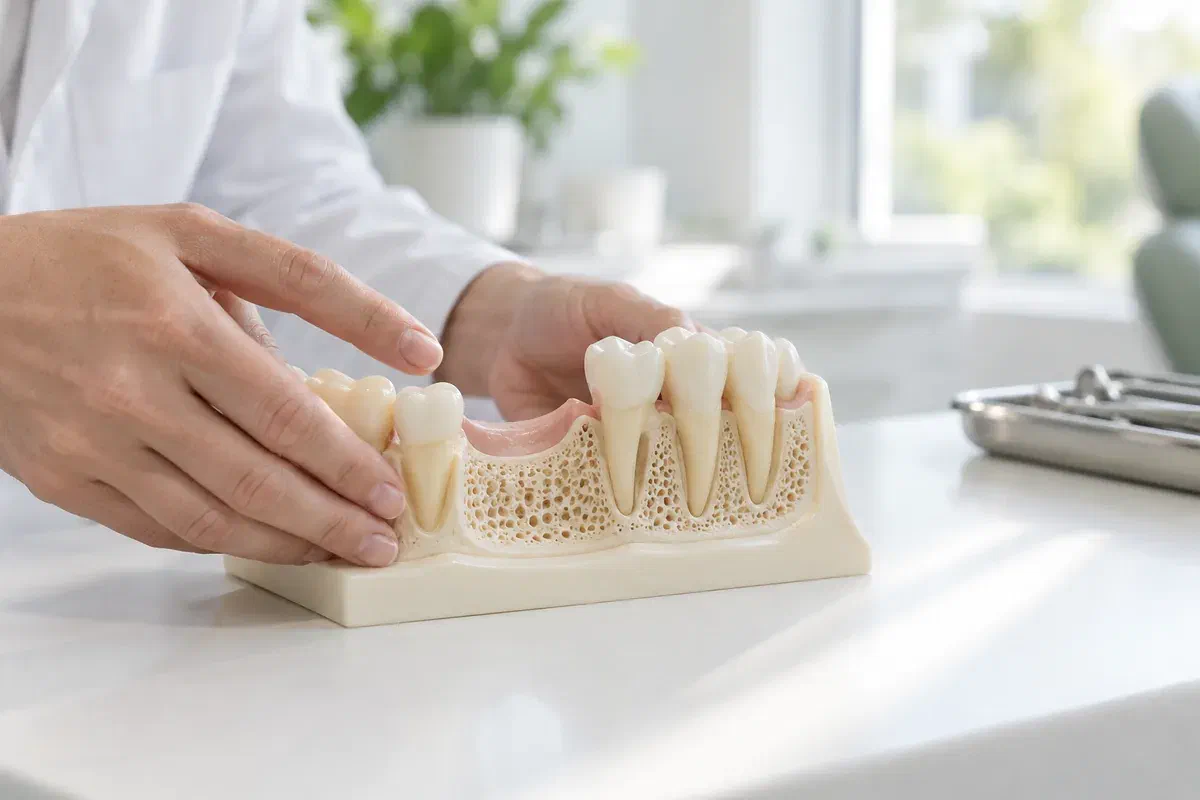
The visible gap tells only part of the story. The clinician looks at the bone that would surround an implant and considers how the replacement would be supported, cleaned and maintained over the years.
The bone under a gap may have reshaped and no longer suit the planned position. Mention when the tooth was removed and what has been done there, recognising that today’s examination defines the site.
The available bone and nearby structures can narrow the choices. Ask how your imaging informs the recommendation and whether more records or a specialist opinion are needed before an approach is chosen.
Conditions such as diabetes, certain medicines and smoking can influence recovery and timing. Share your full history so the stages, from any extraction to the final tooth, can be planned realistically.
A graft is not required for every implant, and a healed graft does not guarantee that an implant will be possible. Your site, and your health, are reviewed as the plan moves forward.
For a suitable site, grafting aims to increase the bone the implant will rely on. The clinician should connect the recommendation to a clear finding in your mouth, rather than treating it as a standard addition to every case.
Any benefit has to be weighed against another procedure, healing time, cost and the possibility of complications or an incomplete result, all of which can be influenced by your general health. Ask what would happen if the graft falls short and what other approach could still meet your goals.
Patient information: Cambridge University Hospitals — bone grafting for dental implants
The implant should go where the final tooth can function well. Ask how grafting helps achieve that and which limitations may remain after healing.
A staged plan allows the graft to heal and be checked before placement, which can be reassuring when health factors are involved. Ask what the review will assess.
Knowing what the preparation involves helps you compare implant care with other replacements. Consider the surgical steps and their recovery when deciding whether the plan suits you.
The type and extent of grafting determine the procedure and recovery. The treating clinician should explain the approach clearly, mention whether a referral is needed and set out when you will be seen again.
Bring a current list of medicines, supplements and conditions. The team reviews this alongside your mouth and suitable imaging, explains the finding behind the grafting question and checks whether other treatment should come first.
If your health calls for it, the team may suggest speaking with your physician before booking. You also discuss the material, extent of the graft, risks, benefits, alternatives and comfort measures.
The agreed procedure is completed and aftercare instructions specific to it are provided. Before leaving, confirm what to expect, which medicines apply and whom to call if recovery worries you.
The clinician assesses healing and what further information is needed. The next stage proceeds when findings support it, not just because a certain amount of time has passed.
Grafting procedures vary, so general advice cannot stand in for your clinician’s directions. Keep the written guidance and contact details handy, and ask about anything that seems hard to follow.
Ask about eating, cleaning, activity and any temporary tooth or appliance near the area. Avoid pulling at stitches or touching the site, and call the team if anything looks different from what you were told.
Follow prescription directions, and raise any concerns about interactions with your regular medicines with the clinician or a pharmacist. A local pharmacist who knows your history can be a useful second check. Do not stop or change a medicine without advice.
Attend every scheduled review. If symptoms are unexpected or worsening, follow your postoperative instructions and call promptly rather than waiting for the next implant appointment.
Health details can affect both the plan and the recovery. Raise these questions before agreeing to a graft.
Schedule time at our Bronte Street clinic to discuss the implant site, any recommendation for added bone and how your health may affect the plan. Bring your medication list and any recent medical letters. We can help clarify the purpose, sequence and questions to settle before you choose.
If you have already had a graft and are concerned about recovery, contact the clinician responsible using the postoperative arrangements you were given.
