Loss of bone after the tooth went
The ridge can narrow or lower once a tooth is removed, sometimes enough to affect the implant plan. Share the tooth’s history and any treatment since, bearing in mind that current examination is what counts.


A bone graft can improve an implant site, but it comes with no guarantees. Coming from Rockwood, you can talk openly with us about what grafting aims to do, where its limits lie and what a fallback plan would look like.
It is natural to expect a straight line from graft to implant to new tooth. Real treatment is less tidy. A graft is meant to supply bone where the intended implant position lacks it, and it is advised only when your site and treatment goals point that way, yet healing and results always need checking before the next step.
Uncertainty also varies with the procedure. A small addition during placement carries different unknowns from a separate grafting surgery that heals on its own schedule before anyone can say whether an implant will follow. Knowing which is planned helps you understand both the visits ahead and the questions that may remain open.
From Rockwood, you are welcome to sit down with our Bronte Street team and talk frankly about the finding behind a grafting recommendation. We will cover what it should achieve, what else you could choose, who would perform it and how its success will be measured.
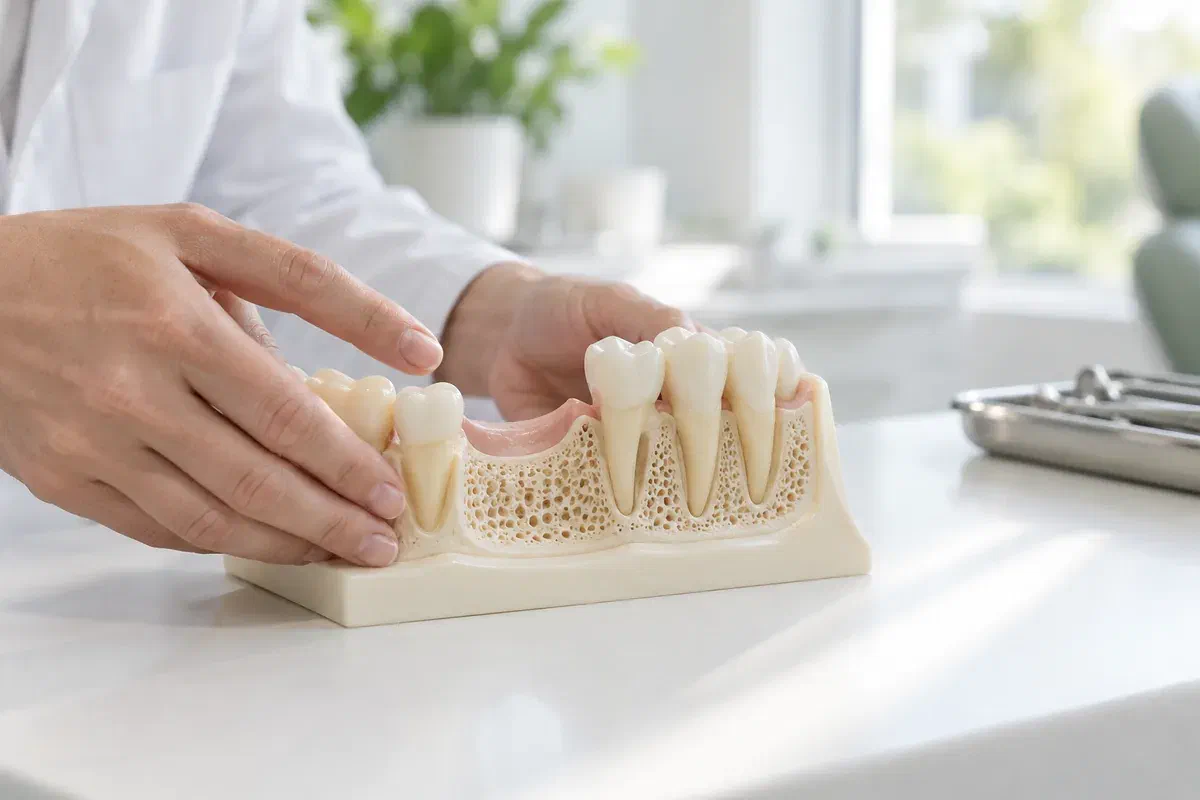
An empty space between teeth says little about the bone that would hold an implant. The clinician studies that bone and considers how the replacement would be supported and looked after for years.
The ridge can narrow or lower once a tooth is removed, sometimes enough to affect the implant plan. Share the tooth’s history and any treatment since, bearing in mind that current examination is what counts.
The amount of bone and nearby structures can restrict the outcome even with grafting. Ask how imaging informs the advice, and whether a specialist view or more detailed records would clarify what is realistic.
Ask how a graft fits with extraction, implant and crown, and which steps could shift if healing is slower or the result is partial. That is why no responsible clinician fixes a final date at the start.
A graft is not part of every implant plan, and even a well-healed graft cannot promise that an implant will be possible. Each stage is reassessed before the next one begins.
In a suitable case, grafting aims to add bone where the implant is planned. The clinician should explain what was found at your site that makes it worth trying, rather than describing grafting as something every implant needs.
Its potential is balanced by another procedure, more healing time, added expense and a real chance of complications or a less complete result. Ask directly what would happen then, who would decide the next step and whether a different approach could meet your goals with less uncertainty.
Patient information: Cambridge University Hospitals — bone grafting for dental implants
Where the implant goes should suit the final tooth. Ask how grafting supports that and which limits might remain even if healing goes well.
A staged plan lets the graft heal and be reviewed before committing to placement. Ask what will be assessed and what the possible outcomes of that review are.
Seeing every stage, including the uncertain ones, helps you compare implant care fairly with alternatives. Count the graft and its follow-up when making your choice.
The procedure and recovery depend on the type and extent of the graft. The treating clinician should explain the approach plainly, tell you whether a referral is involved and outline when you will return.
Your mouth, medical history, medicines and suitable imaging are reviewed. You learn what finding prompts the grafting question and whether other oral health issues need treatment before going further.
Discuss the graft material, the extent of treatment and any second site. Cover risks, benefits, alternatives and comfort measures, and ask what the plan would become if the result is not what was hoped.
The agreed procedure is carried out and specific aftercare is provided. Before leaving, be clear about what to expect, which medicines to take and the number to call with a concern.
Follow-up shows how the site has responded and what else needs to be known. The next stage proceeds when the findings justify it, not because a certain amount of time has passed.
General recovery advice can never replace the instructions written for your procedure. Keep them, along with contact details, where you can find them easily, and ask about anything that seems hard to follow.
Ask about meals, cleaning, activity and whether any denture or temporary tooth can rest on the area. Avoid pulling stitches or poking the site with anything. If it seems unusual compared with what was explained, phone.
Follow the directions you were given, and ask the clinician or a pharmacist about any side effects or interactions. Do not stop, add or change a medicine based on general information about graft healing.
Attend reviews even when the site feels fine. Unexpected or worsening symptoms need a call under your postoperative instructions, not a wait until the next implant appointment.
These questions are easier to ask before treatment than during it. Bring them to your consultation.
Arrange a visit to our Bronte Street clinic to talk through the implant site, any recommendation for added bone and what could change along the way. We can help clarify the purpose, sequence and open questions before you choose.
Worried about a graft you have already had? Get in touch with the clinician who performed it through the postoperative contacts they provided.
