A tooth you’d been hoping to keep
Ask what is undermining its outlook and whether keeping it is a reasonable possibility that was considered. A careful second assessment examines that tooth directly before treating its replacement as settled.


You like your dentist and plan to stay, yet one implant recommendation still leaves you unsure. An implant second opinion for people in Erin and Hillsburgh gives you a separate explanation to take back to that relationship, not a reason to leave it.
Plenty of people have seen the same dentist for years, trust them, and have no wish to move. Then an implant is recommended and some doubt lingers, perhaps about the cost, the surgery, or whether the tooth really has to go. Asking another clinician to look is a normal step, and it doesn’t have to change where you receive your everyday care.
An implant second opinion is a separate, independent assessment. The dentist examines your mouth, reviews the plan and any records you bring, and explains how the recommendation relates to the findings. It starts from your questions, not from any assumption that the first advice was wrong.
Rural life around Erin often means planning appointments carefully, so it can help to bring the written plan and recent imaging to one well-prepared visit. Afterward, you can take what you learned back to your own dentist. We will be clear about what this assessment can establish and what it cannot.
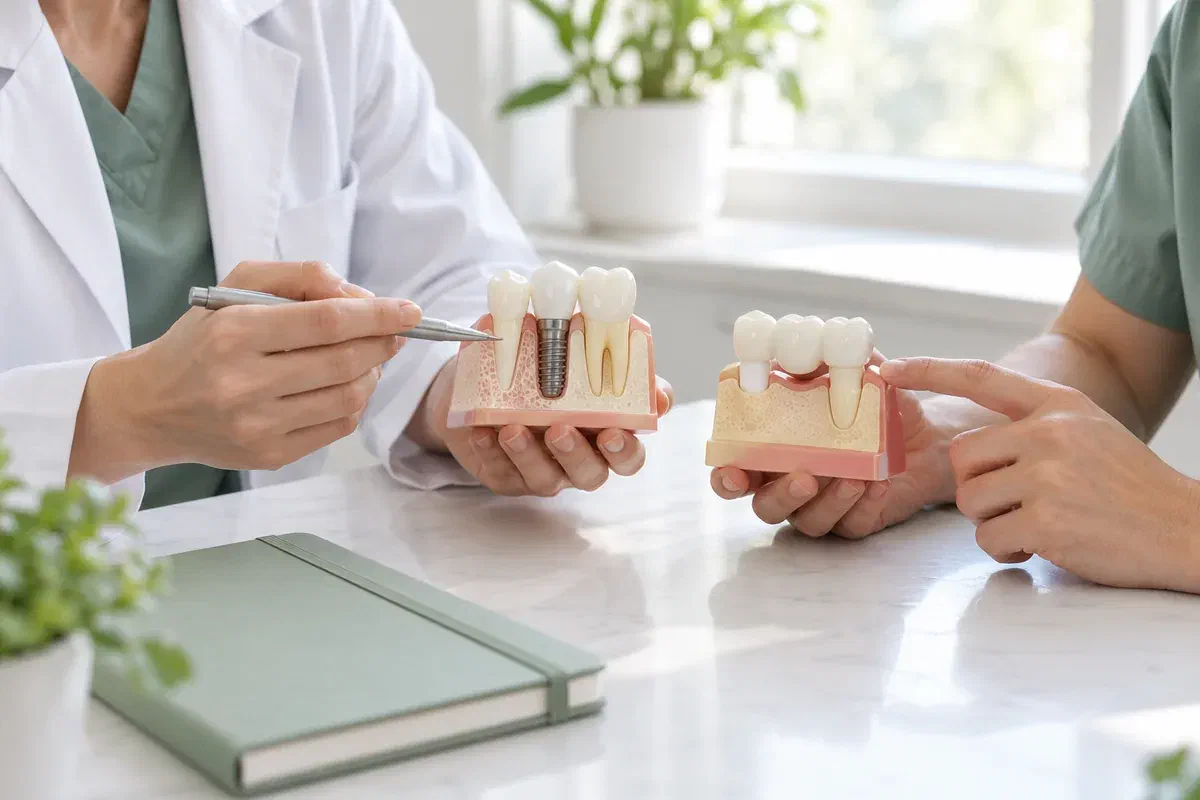
The more specific the question, the more useful the answer. It may concern whether a tooth can stay, why particular steps are included, how two estimates compare, or what an implant would demand over the years.
Ask what is undermining its outlook and whether keeping it is a reasonable possibility that was considered. A careful second assessment examines that tooth directly before treating its replacement as settled.
Plans can include grafting, temporary teeth, and different final restorations, sometimes listed separately. Bring the written plan so the conversation can look at what is covered and why, not simply the total.
If you already have an implant, describe what has changed: tenderness, appearance, a loose feeling, or trouble cleaning around it. Details of its parts can matter, and some concerns are best seen by a specialist.
Building pain, swelling, discharge, or a crown that has started to move needs prompt attention, not a planning appointment. Phone your dentist or our clinic so the urgent problem is assessed first.
An additional consultation gives you room to review the evidence and ask how a recommendation reflects your priorities. It may echo your dentist’s advice, suggest something different, or show that more information is needed before either view can be fairly weighed.
If the two opinions differ, that doesn’t automatically mean your dentist is wrong. Many situations have several reasonable answers with different trade-offs. Note where the views overlap, where they part ways, and what each is assuming, so you can discuss the difference openly.
The conversation can separate clear findings from predictions and open questions. That helps most when the decision involves removing a tooth or committing to a plan with several stages.
You may care most about appearance, comfort, avoiding surgery, or ongoing upkeep. Another opinion lets you check how the proposed path fits those priorities and what it leaves unresolved.
This is often the main benefit. You can bring specific questions back to the dentist you trust, and they can explain their reasoning more fully. There is no need to transfer your care.
Allow time for more than a quick look at an estimate. Before booking, ask which records would help, what the assessment fee includes, what the appointment will cover, and whether additional investigations could be suggested.
Explain what your dentist proposed and which parts you are unsure about. Share your goals, current symptoms, past experiences in the chair, and relevant health information so the context is clear.
The dentist reviews the plan, imaging, and any implant details, examines your mouth as it is now, and tells you whether the information available supports forming an opinion.
We cover what the examination supports, what remains uncertain, and how the options compare. If a specialist or further records would help, ask what particular question that step would answer.
Confirm the key conclusions and any follow-up advised. You can ask for a written outline to share with your own dentist, then decide whether to clarify things with them, gather more information, or keep planning.
A second opinion is most helpful when you and your dentist can read its reasoning together. Keep the notes alongside the original plan, and discuss full explanations rather than short phrases.
Check which teeth or implants are involved, what preparation is included, and what final restoration is proposed. A different scope of treatment will naturally change the estimate and timeline.
If you want our notes sent to your dentist, let both offices know so the right arrangements can be made. Clear communication can help settle questions about earlier findings and components.
Continue with checkups and any active treatment your dentist recommends while you decide. Ask which matters can wait and which need sooner attention, so nothing urgent slips while you weigh the plan.
Wanting a second explanation is not disloyal. These answers may help you approach it comfortably.
Set up a visit with our Bronte Street team to go over an implant recommendation or a concern with an existing restoration. Bring your records and questions so the visit can focus on what you want to understand.
If there is pain, swelling, or a sense that something is loose, tell us when you call so urgent needs are recognised before a planning visit.
