A filling is breaking down
Chips or leaks around an old repair can mean it needs replacing. The dentist plans the new restoration based on what remains once the failing material has been taken out, not on the earlier filling’s size.


Much of what keeps an inlay healthy happens at your own sink, not in the dental chair. If you’re coming from Erin, we explain when an inlay suits a back tooth and how to care for it at home afterward.
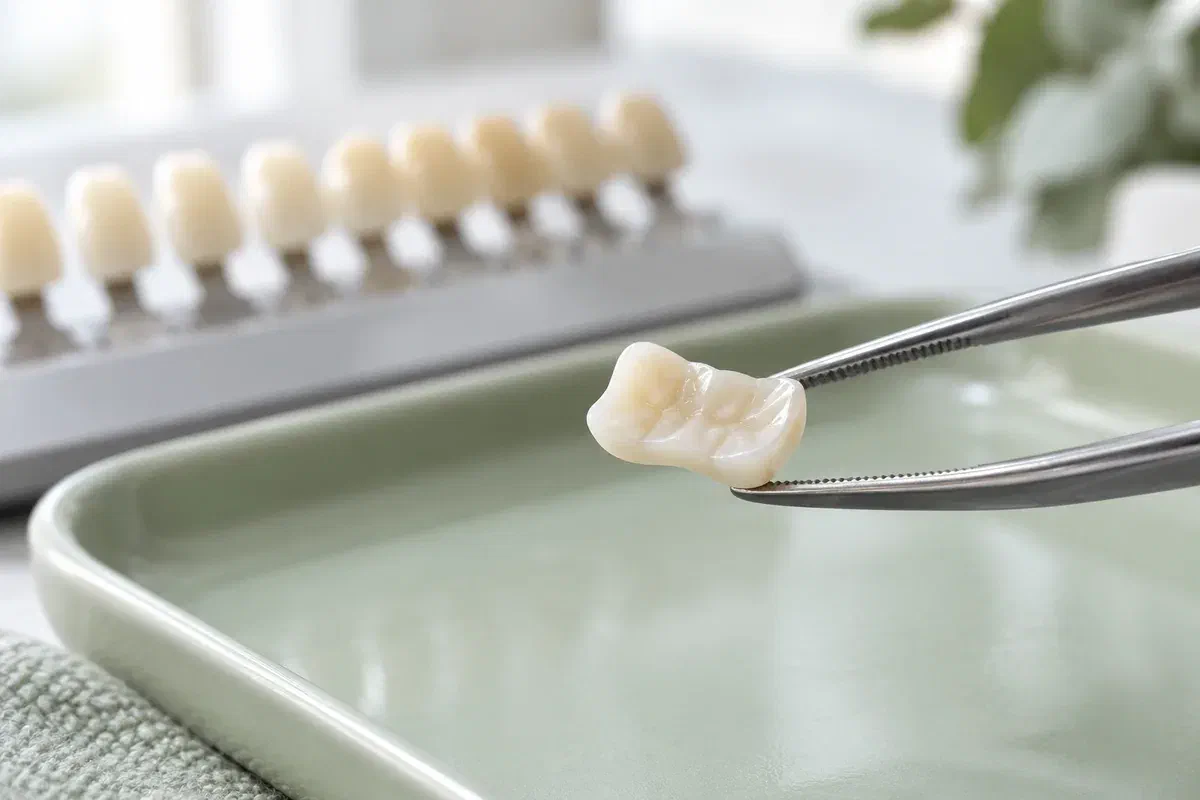
A dentist can design and fit an inlay carefully, but what happens in the following months and years is largely in your hands. That is worth knowing from the start. An inlay itself is a restoration produced outside the mouth for a prepared space, then bonded. It rebuilds the middle of a back tooth’s chewing surface and generally leaves the cusps uncovered.
It is chosen for particular teeth. An inlay tends to be offered when a filling built up directly in the tooth is not the preferred option, and yet the tooth is strong enough that a crown would cover more than necessary. The decision rests on that tooth’s structure.
For households in Erin village, Hillsburgh and the surrounding countryside, it helps to leave the clinic confident about home care. Tell us about the tooth, previous repairs and your daily routine. We will explain whether a fitted restoration suits it, and exactly how to look after it.
The dentist looks at the damaged area and at the walls and cusps around it. Sturdy surroundings may suit an inlay; weakened ones may need a design that offers more protection to the tooth.
Chips or leaks around an old repair can mean it needs replacing. The dentist plans the new restoration based on what remains once the failing material has been taken out, not on the earlier filling’s size.
A damaged molar may meet the opposite tooth unevenly or trap food. Ask which areas are still healthy, and whether the restoration would stay inside them or need to cover a weakened cusp.
Ask the dentist to explain the difference between the options, including what each would mean for your home care. An image or model of the tooth can make that clearer.
Pain, a possible crack or nerve symptoms need a diagnosis first. Choosing an inlay or any other design is a later decision and does not replace that assessment.
Designed for the prepared area and checked before bonding, an inlay can rebuild a suitable defect with smooth, well-shaped margins, while healthy tooth around it is left uncovered.
It also has limits. Preparation is required, and the material, fit, remaining tooth and bite forces all influence what is advised. Ask what an inlay would offer over a direct filling for this tooth, and why a larger restoration is not part of the plan.
Patient information: Cleveland Clinic — restorative dentistry and inlays
The design aims to restore the missing surface and its contacts in a way that works with your bite and your cleaning routine. Ask which features the dentist will focus on.
Where the cusps are sound, they can often be left as they are. This makes sense only when the tooth still has the support it needs for everyday chewing.
Position, visibility, space and clinical findings influence the choice. Ask which materials are suitable here and how they compare in benefits, limitations, cost and day-to-day care.
Appointment numbers vary with the fabrication method and what the tooth needs. Ask whether a temporary will be placed, what it requires and how long it is expected to stay.
The dentist checks the damaged area, your symptoms, past repairs and the gums. Imaging or tests may confirm the tooth suits an inlay or show that another problem should be handled first.
After consent and comfort measures, the area is prepared for the planned restoration. Its shape is recorded by impression or scan, and the team explains any temporary protection.
The inlay is tried in and checked for how it sits, how floss passes the contacts and how your teeth meet. Appearance is reviewed if relevant. Adjustments come before bonding.
Bonding uses an approach suited to the inlay’s material. After a last check, the team can show you how to clean around it and explain which symptoms should prompt a call.
An inlay restores lost structure but cannot protect the enamel next to it from decay. Follow your fitting instructions, and if anything about cleaning the area feels different, let us know.
Ask when you can eat normally, since the answer varies with the material and how long you stay frozen. Until the freezing wears off, choose soft food and avoid biting your cheek or tongue.
Brush twice a day with fluoride toothpaste and clean between your teeth as usual. If floss catches or food lodges at the new contact, mention it rather than skipping that spot.
Keep up your routine and attend checkups. A tooth that feels high, stays sensitive or develops a rough edge should be reviewed. Do not adjust the inlay or test it on hard food.
Knowing what an inlay replaces, and what it asks of you at home, makes it easier to weigh up. These are some of the questions people ask most.
Visit our Bronte Street practice with a worn filling or damaged back tooth. We will look at what remains, tell you which repair the tooth can support, from a simple filling to wider coverage, and make sure you know how to care for it.
When booking, let us know about pain, swelling, a recent chip or any change in your bite, so we can allow the right time for your visit.
