A cusp is cracked, missing or weak
When damage involves one of the chewing peaks, filling the area beside it may not protect it well. Your dentist checks how far the problem reaches and whether covering the cusp is likely to help.


Travelling a longer way for dental care means each appointment should count. Learn how an onlay restores a weakened back tooth, how the visits can be organized and when to seek help closer to home.
When the drive from the west end of Toronto is part of the plan, it helps to know early what a repair will involve. An onlay is a common example of treatment that may take more than one visit, so a little organization goes a long way.
So what is it? An onlay is a restoration made to fit a back tooth. It replaces damaged structure and reaches over one or more cusps, the elevated parts of the chewing surface. It is considered when those cusps need support but the tooth may not need the full wrap of a crown.
Before you book from Etobicoke, ask our team how many appointments the tooth is likely to need and what each one covers. We will examine the tooth, explain whether partial coverage is suitable and compare it with the alternatives, leaving room for your questions about comfort, appearance and care.
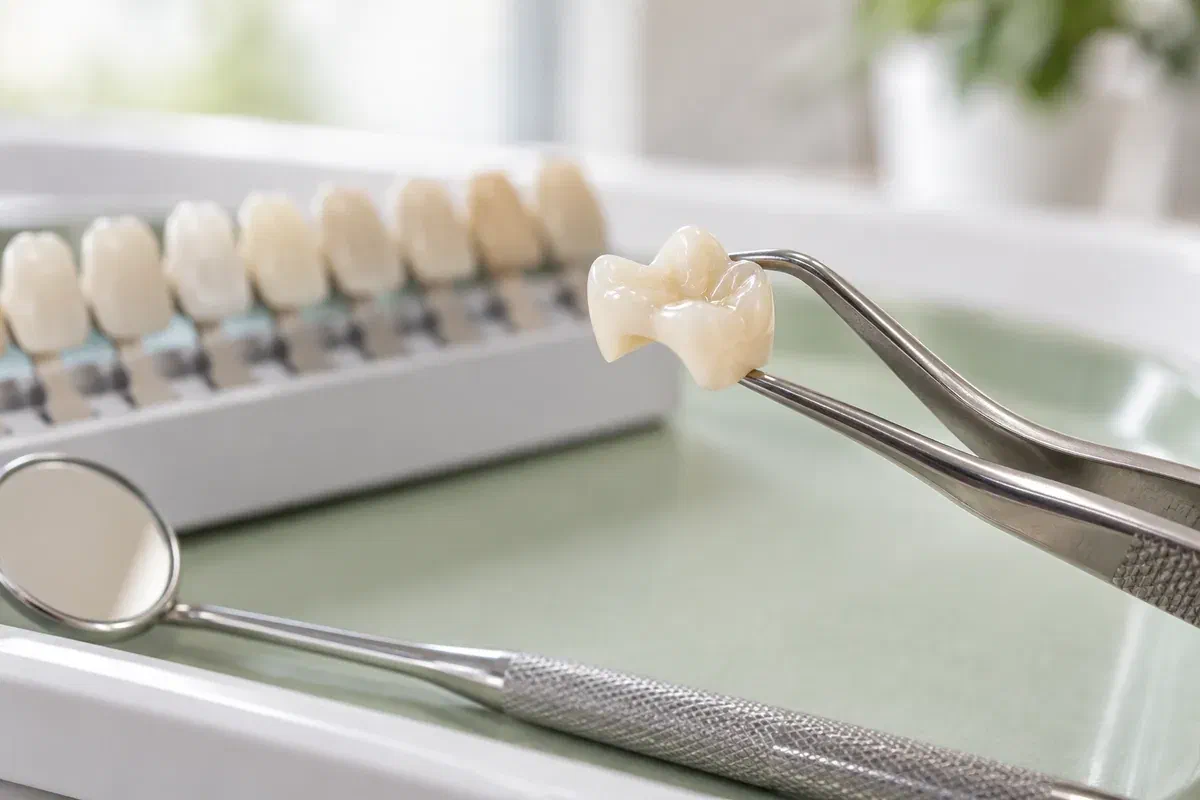
A dentist looks past the obvious damage to the condition of the whole tooth. That assessment shows whether a cusp needs reinforcing and whether there is enough sound structure left to hold a partial design.
When damage involves one of the chewing peaks, filling the area beside it may not protect it well. Your dentist checks how far the problem reaches and whether covering the cusp is likely to help.
Taking out a worn filling often shows the true state of the tooth. An onlay is one option at that point; the findings decide, not a fixed rule for every large filling.
Ask what can reasonably stay uncovered. Conserving tooth is a good aim only when the final design also gives the tooth the protection it needs to function.
A painful tooth, a possible crack or a problem with the nerve may change the plan. Choosing a restoration is never a substitute for diagnosing the cause of symptoms.
In a suitable tooth, an onlay can replace a missing surface and cover the weak areas while other parts stay as nature made them. Its outline is planned around the extent of the damage and the pressure that tooth takes when you chew.
It is not without preparation, and it has limits. The bonding or retention available, the material chosen and the remaining structure all influence suitability. Ask what the onlay should accomplish and why your dentist prefers it to a crown for this tooth.
Patient information: Cleveland Clinic — inlays and onlays
The onlay can stretch over selected chewing surfaces instead of only filling a space inside. Ask which surfaces are covered and how that relates to the damage found.
Keeping healthy tooth matters, but so does not leaving a fragile cusp unsupported. Ask how your design strikes that balance.
A fitted restoration is checked against nearby and opposing teeth. Tell us about food trapping or an awkward bite so it can be considered during planning and fitting.
How many appointments you need depends on how the onlay is made and what the tooth requires. Ask at the outset how the visits will be grouped, what a temporary stage involves and what findings could change the plan.
The dentist assesses the damage, existing repairs, symptoms and bite, with suitable investigations to confirm the diagnosis. You hear the proposed coverage and alternatives before any preparation, and can ask how the remaining visits will be timed.
With suitable comfort measures, the tooth is shaped and its form recorded by an appropriate method. If a temporary restoration is placed for the trip home, the team explains how to protect it.
The onlay is assessed for fit, contacts with neighbouring teeth and how it meets the opposite teeth. Appearance can be discussed, and any adjustment is made before completion.
Your dentist secures the onlay using an approach suited to its material and the tooth. Bite and surface are checked, and you leave with clear advice on eating, cleaning and follow-up.
The onlay now works as part of your chewing surface, but the tooth around it and the margins still need attention. Follow the guidance from your visit and get in touch about anything that persists or develops.
Ask when you can return to normal meals and whether numbness or the fixing material changes the advice. A solid feel is not proof the tooth is ready before the precautions are explained.
Brush with fluoride toothpaste and clean between teeth as shown. If the shape makes your usual method hard, ask for a demonstration while you are in the chair rather than guessing at home.
Grinding, clenching or a history of broken restorations are worth raising, as protection may help. Report a bite that feels high, chipping or ongoing discomfort.
Restoration choices are clearer when the dentist explains the design for your own tooth. These questions may help you prepare.
Book at our Bronte Street practice to discuss a damaged chewing surface or a repair that is failing. We will explain whether an onlay suits the tooth, how the appointments could be grouped and how its coverage and upkeep compare with other options.
Please call before travelling about a fresh break, severe pain or swelling so the team can advise on timing and where to seek care.
