The denture feels unfamiliar
A new shape or tooth position can take practice to manage. Explain which sensations are merely unfamiliar and which are painful or prevent normal use, so adaptation can be distinguished from a problem needing attention.


A new denture comes with a learning period and questions worth asking. Find denture aftercare in Milton for support with wearing, handling, cleaning, and knowing when a concern needs an adjustment or examination.
Denture aftercare helps you move from the fitting appointment to everyday use. A new appliance can change how the mouth feels, how you form certain sounds, and how you approach a meal. Clear instructions and a planned review give you somewhere to bring those experiences.
Advice needs to match the denture and the stage of treatment. An appliance fitted immediately after extractions has different early considerations from a replacement made for a healed mouth. If you are uncertain which instructions apply, ask rather than trying to combine several conflicting routines.
At Milton Dental Clinic, tell us what you can manage comfortably and what remains difficult. Aftercare can include reviewing the fit, demonstrating handling and cleaning, and discussing when further assessment is needed. You should not feel that persistent pain is something you simply have to accept.
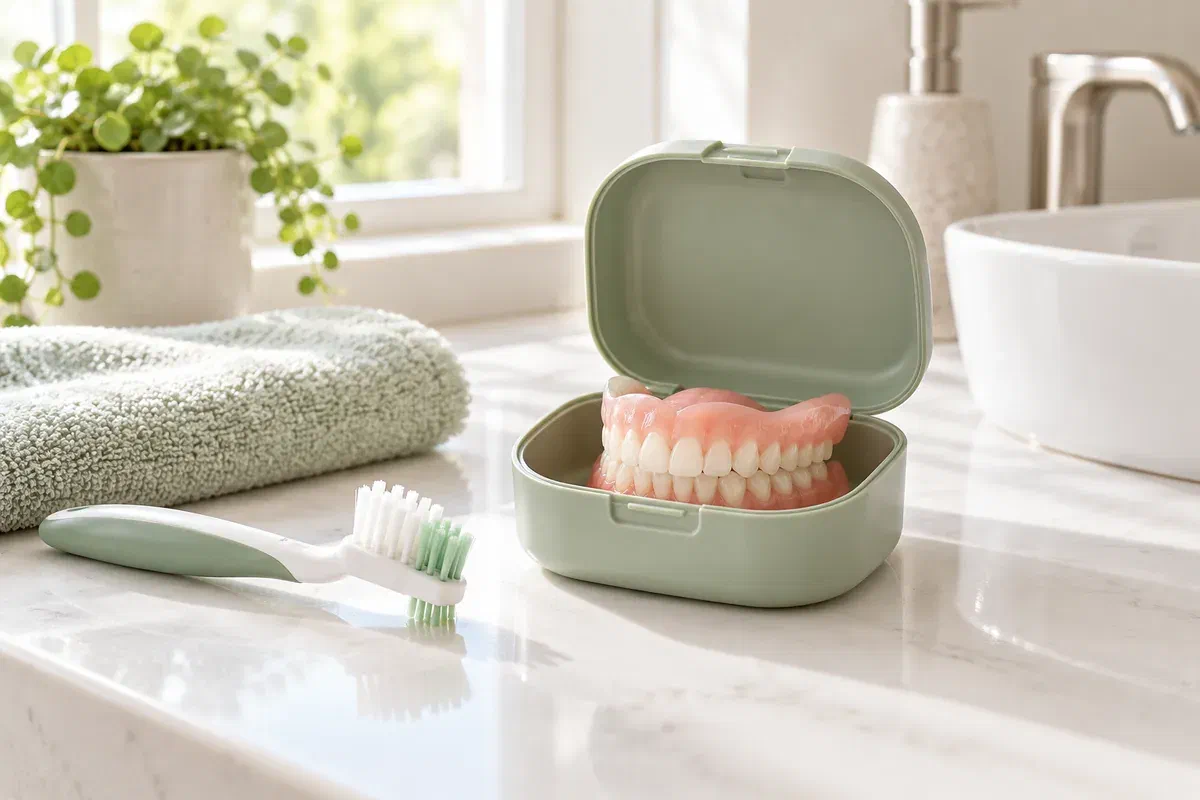
The experiences you notice at home help guide the follow-up discussion. Bring specific examples of what happens during eating, speaking, cleaning, or insertion so the team can respond to the actual difficulty.
A new shape or tooth position can take practice to manage. Explain which sensations are merely unfamiliar and which are painful or prevent normal use, so adaptation can be distinguished from a problem needing attention.
Insertion, removal, and cleaning should be demonstrated in a way you can follow. Mention grip, vision, or coordination difficulties early so the team can discuss practical help and whether a support person should join the explanation.
Ask when to remove the denture, how to store it, and whether recent extractions change the initial advice. A routine that is appropriate during the first postoperative period may not be the long-term routine.
If the denture was fitted after surgery, follow the treating clinician’s postoperative instructions and contact arrangements. General denture guidance should not override those directions.
Aftercare gives you an opportunity to ask questions that only became clear once you began using the denture. A review can consider the mouth and appliance together, rather than treating every difficulty as a matter of practice.
There is no universal timetable for feeling comfortable with a new denture. The type of appliance, previous experience, healing, and individual mouth all matter. Ask what progress is realistic for your situation and what should prompt another appointment.
Patient information: Guy’s and St Thomas’ — getting used to dentures
A second demonstration can be useful when the fitting appointment included a lot of information. Bring the appliance and the products you use so handling, cleaning, and storage advice can be made specific.
A localized pressure area, an uneven bite, or a broader fit issue may need a different response. Follow-up helps the clinician decide whether adjustment or another step is appropriate.
Some appliances, particularly those used during healing, may need further attention as the mouth changes. Discuss the likely review points and any relining or replacement decisions that may arise later.
The review should focus on what has happened since fitting. A brief account of your routine and the situations that cause difficulty is more useful than feeling you must arrive with a diagnosis.
Explain how long you wear the appliance, which foods or sounds are difficult, and whether any sore areas have appeared. Mention recent extractions, changes in health, and any instructions you have found hard to follow.
The dentist assesses the tissues, fit, and relevant functional concerns. The examination helps distinguish expected adaptation from a pressure point, a healing issue, or another condition that needs care.
The visit may include a handling demonstration, revised practical advice, or a suitable adjustment. If a different procedure is needed, the team explains the reason and how it fits with the existing plan.
Clarify which instructions apply now, when to return, and what changes should prompt an earlier call. Ask for important guidance in a form you can refer to at home.
The routine should include the appliance and the mouth beneath it. Follow any special postoperative directions first, then establish the ongoing wearing, cleaning, and storage plan recommended for your denture.
Begin with manageable foods and the techniques discussed at your appointment. Reading aloud may help you notice sounds that remain difficult. Report persistent limitations so the fit and tooth arrangement can be considered where appropriate.
Use a secure cleaning area and a suitable storage container. Avoid leaving the denture wrapped in a tissue or within reach of pets. Ask how to reduce the risk of dropping it if handling is difficult.
Clean any remaining natural teeth with fluoride toothpaste and follow advice for the gums and other tissues. Denture cleaning products are not interchangeable with products intended for use directly in the mouth.
The fitting appointment is only the start of learning a new appliance. These questions can help you clarify the routine and the support available as you begin using it.
Arrange a review at our Bronte Street clinic to discuss your experience with a new or recently changed denture. Bring the appliance, your questions, and any products you use so the advice can be practical and specific.
Call about significant pain, a persistent sore, or concerns after an extraction. The team can discuss whether you need an earlier assessment.
