Speech feels clumsy
The tongue needs time to learn new boundaries. Tell the team which sounds are only awkward and which come with pain or a denture that drops, so adaptation can be told apart from a fit problem.


A lisp on certain words or a denture that moves when you laugh can knock your confidence. Denture aftercare for Burlington looks at speech, fit and daily care so you know what practice can fix and what needs the dentist.
Plenty of new wearers first notice their denture on a phone call. S and F sounds slip, a word whistles, and suddenly you are speaking more carefully than usual. Those moments are worth bringing to aftercare, alongside questions about meals and cleaning.
The right advice depends on your appliance. Someone wearing a denture fitted straight after extractions has early instructions that differ from someone with a replacement on healed gums. If guidance from different places conflicts, check with us before mixing it together.
Describe what has become comfortable and what still trips you up. A review can assess fit, walk through handling and cleaning again, and decide whether further assessment makes sense. Pain that continues should be discussed, not quietly accepted.
Specific moments tell the dentist far more than a general sense that something is off. Note which words, foods, cleaning steps or insertion moves cause difficulty and bring that list along.
The tongue needs time to learn new boundaries. Tell the team which sounds are only awkward and which come with pain or a denture that drops, so adaptation can be told apart from a fit problem.
Taking a denture in and out should be shown at a pace you can follow. Raise any trouble with hand strength, eyesight or coordination early, and ask whether someone who helps you should sit in. Small changes in technique can make a real difference.
Ask how long to wear it each day, where to keep it when out and whether extractions alter the start. Advice for the first few days after surgery may not be the routine you follow later.
After extractions or other surgery, the instructions and contact details from the treating clinician come before any general tips you find here.
Once you have spoken, eaten and cleaned with the denture for a while, sharper questions emerge. A review examines both the appliance and your mouth, so a real fit issue is not mistaken for a need to keep practising.
Adapting has no fixed deadline. The appliance, earlier denture experience, healing and your own mouth all shape the pace. Ask what progress is realistic and which signs mean booking an earlier visit.
Patient information: Guy’s and St Thomas’ — getting used to dentures
A second look at handling is useful after a busy fitting. Bring the denture plus your brush and cleaner so advice on insertion, cleaning and storage reflects what you really use.
A sore spot, a bite that lands unevenly or general looseness can each need different care. Review lets the dentist decide on an adjustment or another step.
Dentures worn during healing may need more work as the gums change. Ask about likely review points and when a reline or replacement may be discussed.
The appointment revolves around life with the denture since fitting. A simple description of your routine and trouble spots is plenty; working out the cause is our job.
Explain your daily wearing time, which sounds or foods remain difficult, and where any soreness shows up. Let us know about extractions, health changes and instructions you have struggled with.
The dentist reviews your gums, the fit and how your teeth come together. This separates normal adjustment from a pressure area, a healing problem or something else needing care.
You might get a fresh demonstration, practical tips or a precise adjustment. If another procedure is needed, the dentist explains why and how it connects with your plan.
Be clear on which instructions now apply, when to return and what should prompt an earlier call. Ask for important points in writing if that helps.
Daily care includes the denture and the tissues it rests on. Put any post-surgery directions first, then follow the regular wearing, cleaning and storage plan recommended for your appliance.
Read aloud for a few minutes each day and repeat words that feel awkward. Start with easy foods and the chewing method you were shown. If progress stalls, ask whether the fit or tooth position should be reviewed.
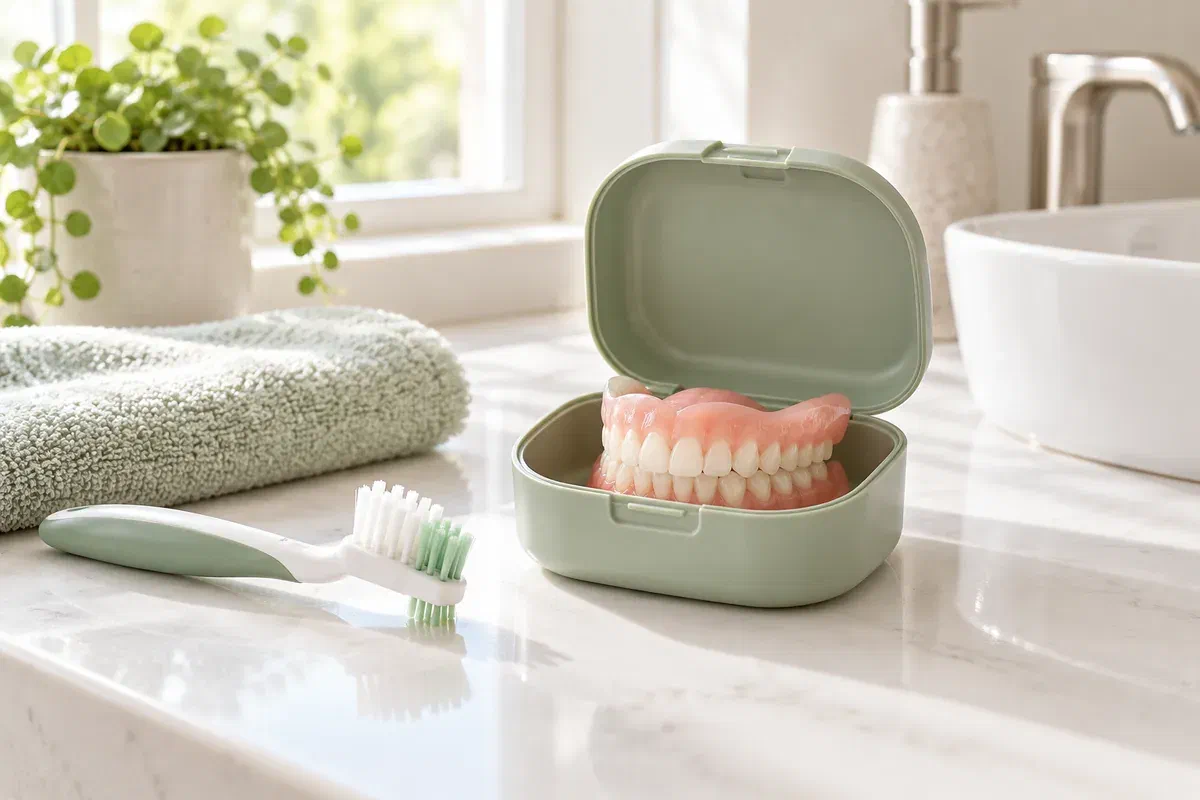
Clean the denture over a towel or a basin of water, and store it in a closed case. Wrapping it in tissue risks it being thrown away, and pets may treat it as a toy.
Use fluoride toothpaste on any natural teeth and follow the gum care advice you received. Denture cleaners are for the appliance only and should not be used in the mouth.
Learning to talk and eat with a denture continues long after fitting. These answers address frequent questions in the early months.
Book a visit at our Bronte Street clinic to talk about a new or adjusted denture. Bring the appliance, your list of tricky words or foods, and the products you use at home.
Call about significant pain, a sore that lingers, or problems after an extraction. The team can help decide whether you should come in earlier.
