The fit or bite feels different
Movement, uneven contacts, or a new need for more adhesive may prompt a fit assessment. The team can discuss whether the change relates to the denture, supporting tissues, remaining teeth, or a combination of factors.


Keep your denture and the mouth beneath it under regular review. Discuss denture hygiene and maintenance in Milton, including daily care, changing fit, wear, and a follow-up routine suited to your appliance.
Denture hygiene and maintenance bring together cleaning, oral examination, and review of the appliance’s condition. A denture may remain in daily use for years, but the tissues, remaining teeth, and appliance can change during that time. An ongoing plan helps those changes receive attention.
A clean surface does not establish that a denture still fits well, and a comfortable appliance does not remove the need to examine the mouth. Maintenance should consider the whole picture, including wear, repairs, supporting teeth, and how easily you can manage the routine.
At Milton Dental Clinic, bring the denture and describe any changes in use or care. We can review the appliance, assess relevant tissues and teeth, and discuss a practical follow-up plan. The aim is to keep daily care manageable while identifying concerns that need a more specific response.
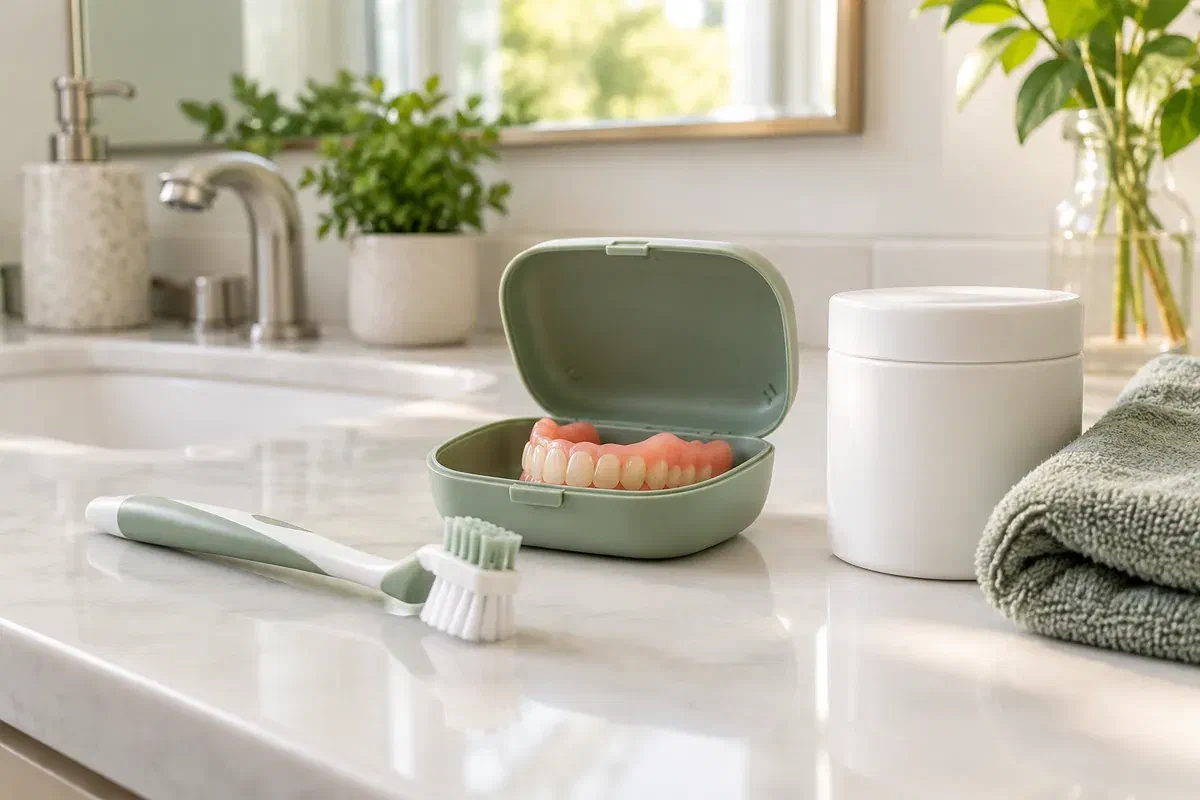
Small changes in comfort, cleaning, or function can be useful to discuss before they become a persistent problem. Explain what has changed and whether it affects the appliance, the mouth, or both.
Movement, uneven contacts, or a new need for more adhesive may prompt a fit assessment. The team can discuss whether the change relates to the denture, supporting tissues, remaining teeth, or a combination of factors.
Repeated redness, soreness, or a persistent patch should be examined. Cleaning and wearing habits may be relevant, but a tissue concern should not automatically be attributed to the denture without assessment.
Changes in grip, vision, health, or available support can affect daily care. Tell the team about those difficulties so techniques and follow-up can be reconsidered instead of leaving you to struggle with an impractical routine.
A persistent ulcer, lump, or unexplained mouth change needs examination even if the denture seems to fit. Contact the clinic rather than waiting for a routine reminder.
Maintenance offers an opportunity to review the mouth, appliance, and daily routine together. It can help distinguish a cleaning issue from wear, a fit problem, or a condition that requires separate care.
There is no single maintenance interval suitable for every denture wearer. The condition of the mouth, remaining teeth, appliance design, and personal care needs influence the recommendation. Ask what the review is intended to monitor and when to return.
Patient information: Ontario Dental Association — denture care
Partial dentures work alongside natural teeth, while complete dentures rest on tissues that also need examination. A review should account for those structures instead of focusing only on the removable appliance.
The clinician can assess tooth wear, cracks, attachments, and previous repairs where relevant. Understanding the condition of the appliance helps explain whether maintenance, repair, or replacement is the appropriate next step.
You can practise cleaning and handling techniques with the team. If a caregiver assists you, the instructions can be discussed in a way that supports your preferences and the practical help you need.
The appointment should reflect the denture you wear and the care it has already received. Bring relevant information about repairs, liners, attachments, or treatment completed elsewhere if it is available.
Discuss changes in medicines, health, wearing habits, and daily cleaning. Explain any recent discomfort, movement, breakage, or difficulty managing the appliance, including concerns that have temporarily settled.
The dentist reviews the relevant oral tissues and any natural teeth, with additional checks as indicated. Persistent changes are assessed on their own merits rather than assumed to be ordinary denture irritation.
Fit, bite, wear, and the integrity of the appliance are considered. The team explains whether appropriate cleaning or a limited adjustment is sufficient, or whether another procedure deserves discussion.
Confirm suitable products, handling methods, and the recommended wearing and storage routine. Ask when to return and which changes should lead you to contact the clinic sooner.
Use the instructions recommended for your appliance rather than treating every denture as identical. Metal parts, liners, and attachments may change which products and techniques are appropriate.
Follow the denture-cleaning routine and continue appropriate care for the gums and any natural teeth. Products intended for soaking an appliance should not be used as mouthwash or assumed suitable for oral tissues.
Use a protected surface during cleaning and a suitable storage container when the appliance is out. Follow the recommended storage conditions and avoid heat or household tools that could distort or damage the material.
If fit deteriorates or deposits persist, ask for a review before adding stronger products or increasing adhesive use. A change in the appliance or mouth may require a different response from more intensive cleaning.
The right maintenance plan can change over time. These questions can help you understand why the mouth and denture continue to need attention after the initial fitting period.
Arrange a maintenance review at our Bronte Street clinic to discuss daily care, changing fit, or the condition of an existing denture. We can assess the appliance and supporting mouth together and explain a practical plan for continuing care.
Call about persistent sores, new swelling, breakage, or significant movement so the team can discuss whether a more prompt assessment is needed.
