A fit that no longer feels secure
Movement during meals, contacts that meet unevenly, or depending more on adhesive can prompt a closer look at fit. The appliance, the supporting gums, remaining teeth or a mix of all three might be responsible.


Changing dental offices shouldn’t mean starting from zero with a denture that already has a history. We welcome wearers from Mississauga for maintenance that reviews the appliance, the mouth and your daily routine.
People switch dental offices for all sorts of reasons: a move, a retirement, a change in schedule. The denture comes along, often with relines, repairs or attachments that a new team needs to understand. Maintenance starts with learning that history, then examining what is there today.
An appliance that has been looked after well can still drift out of step with the mouth. Gums reshape, natural teeth age and denture teeth wear down. So each review considers fit and bite, previous work, any supporting teeth, and whether your cleaning routine still feels manageable.
Your last dentist may have been in Meadowvale, Churchill Meadows or another part of Mississauga. Either way, bring the denture and any notes you have to our Bronte Street practice. We’ll assess it along with your mouth and suggest a realistic schedule for the years ahead.
A first visit is a chance to raise anything that has been quietly bothering you. Explain each change and whether it seems tied to the appliance, your mouth, or both.
Movement during meals, contacts that meet unevenly, or depending more on adhesive can prompt a closer look at fit. The appliance, the supporting gums, remaining teeth or a mix of all three might be responsible.
Tender areas that return, or a mark that won’t fade, need examining. Routines and wearing time can be relevant, yet a tissue concern should be assessed before the denture is assumed to be causing it.
Weaker grip, vision changes, a new health condition or less help at home can all complicate cleaning. Tell the team, so methods and recall timing can be changed rather than leaving you to cope alone.
A sore that persists, a lump or a mouth change with no clear explanation should be examined promptly, whatever the fit. Call the clinic rather than holding on until a routine reminder arrives.
When the same team reviews your mouth, appliance and habits over time, small changes become easier to recognize. That helps separate a cleaning issue from wear, from fit, or from a condition that needs other treatment.
No interval fits every wearer. The health of your mouth, any natural teeth, the appliance design and your support at home all influence how often to return. Ask what each review is meant to monitor.
Patient information: Ontario Dental Association — denture care
Natural teeth carry part of a partial denture’s load, and complete dentures sit on tissue that needs its own check. Maintenance examines those, not just the removable piece.
The dentist can review denture teeth, cracks, attachments and earlier fixes, whoever made them. That makes it clearer whether upkeep, a repair or replacement is the reasonable path.
You can practise cleaning and handling with the team in the room. If someone assists you at home, they can learn the same approach, matched to your preferences and the help you need.
Because the appliance was made or adjusted elsewhere, its background matters. Bring any information on relines, repairs, liners, implant parts or past treatment you can gather.
Tell us roughly when it was made, what has been done to it, your current medications and how you clean and wear it. Mention discomfort, slipping or breakage, even if it has settled.
The dentist looks at your gums, soft tissues and any natural teeth, adding further checks where needed. Ongoing changes are investigated for what they are rather than assumed to be denture-related.
We assess fit, bite, wear and structural condition. You’ll hear whether cleaning or a small adjustment is sufficient, or whether a different procedure is worth talking through.
We agree on products, handling, storage and wearing time, then confirm when to return. You’ll also know which changes should prompt a call before your next visit.
Your previous office may have given you a routine, and much of it may still fit. We’ll confirm which steps suit your appliance, since metal parts, liners and attachments affect product choice.
Clean the denture with its own routine and look after your gums and natural teeth on their own. Denture soaks are intended for the appliance and aren’t a substitute for mouth rinse.
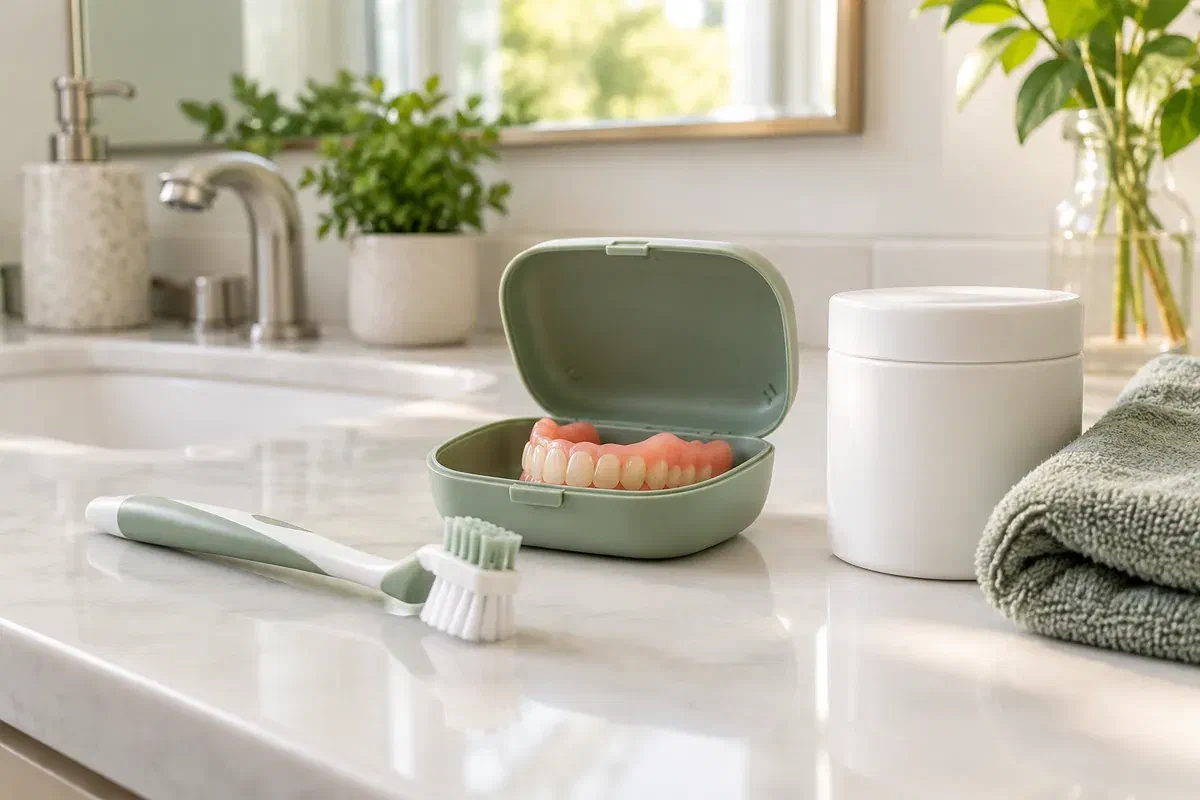
Work over a towel or a bowl of water and use a proper case whenever the denture is out. Keep to the storage advice for your appliance and avoid heat or household tools that could warp or crack it.
If fit declines or deposits keep returning, arrange a review before using harsher cleaners or more adhesive. The cause may call for something other than more effort at the sink.
Your needs keep changing after the denture is fitted. These answers cover what to expect when a new team takes over its maintenance.
Arrange a maintenance visit at our Bronte Street practice to discuss daily cleaning, a change in fit or how an existing denture is holding up. The team will examine both the denture and the tissues around it, then outline sensible ongoing care.
Please call about lasting sores, new swelling, a break or significant movement so the team can decide whether a sooner assessment makes sense.
