The pink acrylic is breaking down
Surface wear, changes in the material or a string of earlier repairs can all prompt a review. The dentist then judges whether a local repair would be enough or whether a full new base is the better route.


The teeth on your denture may still look and chew the way you like while the pink base around them has worn, cracked or been patched too often. Our Milton team can review whether those teeth could be kept in a new base.
Many people notice it at the bathroom sink: the teeth look the same as ever, yet the gum-coloured part holding them has dulled, chipped or carries the line of an old repair. Rebasing is the procedure that swaps out that base material while keeping the existing teeth, provided the teeth and the way they are set still suit you.
It sits between two other options. A reline adds new material to the fitting surface of the base you already have, and a new denture replaces everything. Choosing among the three means looking at the whole appliance, from fit and bite to tooth wear and appearance, as well as the gums and bone that support it.
During an assessment at our Bronte Street practice, we look at whether a new base would actually solve what bothers you. It helps to tell us about past repairs, how the fit has changed and which features you want to hold on to. A sound recommendation should explain why your current teeth are worth retaining and what a renewed base can and cannot improve.
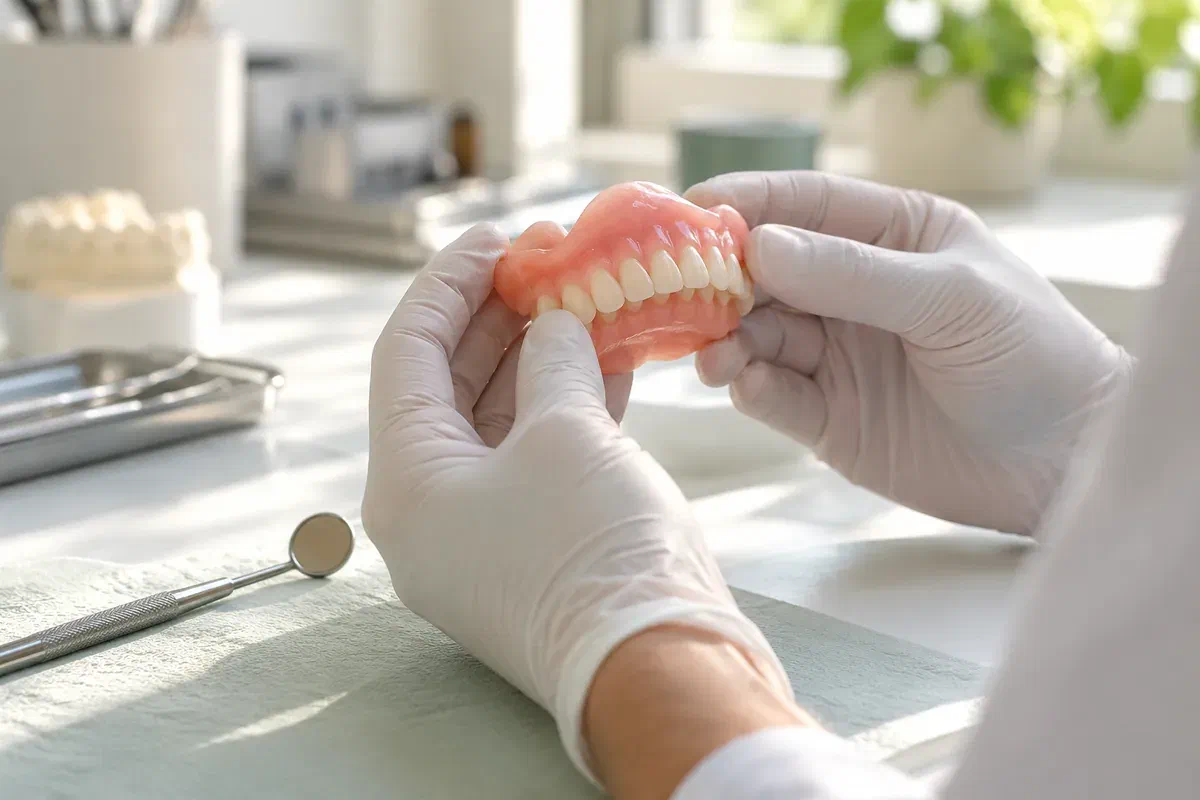
A denture has several parts, and they age at different rates. Rebasing comes up when the base needs replacing but keeping the teeth you already have still makes clinical sense.
Surface wear, changes in the material or a string of earlier repairs can all prompt a review. The dentist then judges whether a local repair would be enough or whether a full new base is the better route.
Perhaps you like how they look or they still chew well. The clinician still has to check their wear and arrangement, because a pleasing row of teeth on its own does not show that rebasing is the right choice.
When a denture no longer sits as it did, the conversation may turn to relining, rebasing or replacement. Ask which part of the appliance needs to change and whether the plan deals with support and bite, not just the material you can see.
A denture that keeps breaking or keeps hurting needs its cause found. Any fresh base should not faithfully copy a design that is still wrong for your mouth.
When the case is suitable, rebasing deals with the base while keeping a tooth arrangement that still works for you. Its scope is narrower than making a whole new appliance, and that narrower scope only helps if the parts being kept are in good shape.
A new base will not, by itself, fix worn teeth, an unsuitable bite or appearance concerns tied to where the teeth sit. Before choosing it over a new denture, ask what will stay the same and which limits will remain after the work is done.
Patient information: American Dental Association — dental terms
If the existing teeth remain appropriate, keeping them can preserve features you are already comfortable with. The clinician should explain how their condition and position were assessed.
When a small repair or a reline would not go far enough, replacing the base may be worth considering. Ask why that amount of work is being suggested and how it connects to what was found.
An assessment lets you compare the benefits, limits, number of appointments and cost of each route. Choose a new base for a clear purpose, not serve as a way to sidestep talking about an appliance that no longer suits you.
Each appliance and plan is a little different. Before agreeing to go ahead, ask about the records needed, any laboratory work, how long you may be without the denture, and the fitting and follow-up visits.
The dentist looks at the supporting tissues and checks the denture’s fit, bite, teeth and base. Your repair history and symptoms give useful context, but suitability depends on the condition found today.
Talk through whether a repair, a reline or a new denture would better match the findings. Be clear on what a rebase would change, what it would keep, and whether the kept tooth arrangement is still appropriate.
Impressions and other records may be needed to shape the replacement base. The team explains how the appliance will be handled and what arrangements may help while it is out of your hands.
The denture is checked in your mouth for fit, contacts and function. You leave with guidance on wear and care, plus a follow-up visit to deal with anything that shows up during everyday use.
Keeping the old teeth does not mean the denture will feel exactly as before. Follow the instructions you are given and describe any changes in comfort or function so the new base can be checked properly.
Ask how to start wearing it again and whether any precautions apply. If a sore spot appears, call the team instead of assuming you should push through simply because the teeth feel familiar.
The new base material may call for different product guidance than you used before. Ask which brush, cleanser and storage approach suit it, particularly if the denture has other components or liners.
Mention any movement, pressure points or a bite that feels different. The review shows whether a small adjustment is enough or whether something else needs looking into.
A rebase has a defined scope. These answers can help you tell it apart from a reline, a repair or a full replacement before you decide.
Visit our Bronte Street clinic to have a worn or troublesome denture base reviewed. We check the teeth, the fit and the mouth that supports it, then explain whether rebasing or a different approach would better address your concern.
Please have the denture with you, along with any record of past repairs or relines, so the assessment can take into account how it has changed over time.
