It seems to float more than it used to
Think about when you notice it most, perhaps while eating, laughing or speaking. Movement that appears with one activity can have a different cause from a general sense of looseness.


A denture you have worn for years can feel looser even though you have changed nothing. For Old Milton households, we can assess whether relining its inner surface would help a trusted appliance fit well again.
Plenty of people keep a denture for a long time because it looks right and feels like their own. Over the years, though, the ridges it rests on can slowly reshape, and a once-steady appliance may start to shift.
A reline adds a new fitting layer to the inside of the base so it meets your gums more closely. Your teeth, smile line and the familiar outer shape remain. For someone attached to a long-serving denture, that is often the appeal. Still, age brings other wear, so the teeth, bite and base also need a careful look before relining is suggested.
During the visit, tell us how long you have had the appliance, whether it has been relined or repaired before, and what has changed recently. The examination then shows whether a fresh lining is worthwhile or whether the denture has reached the point where a different plan would serve you better.
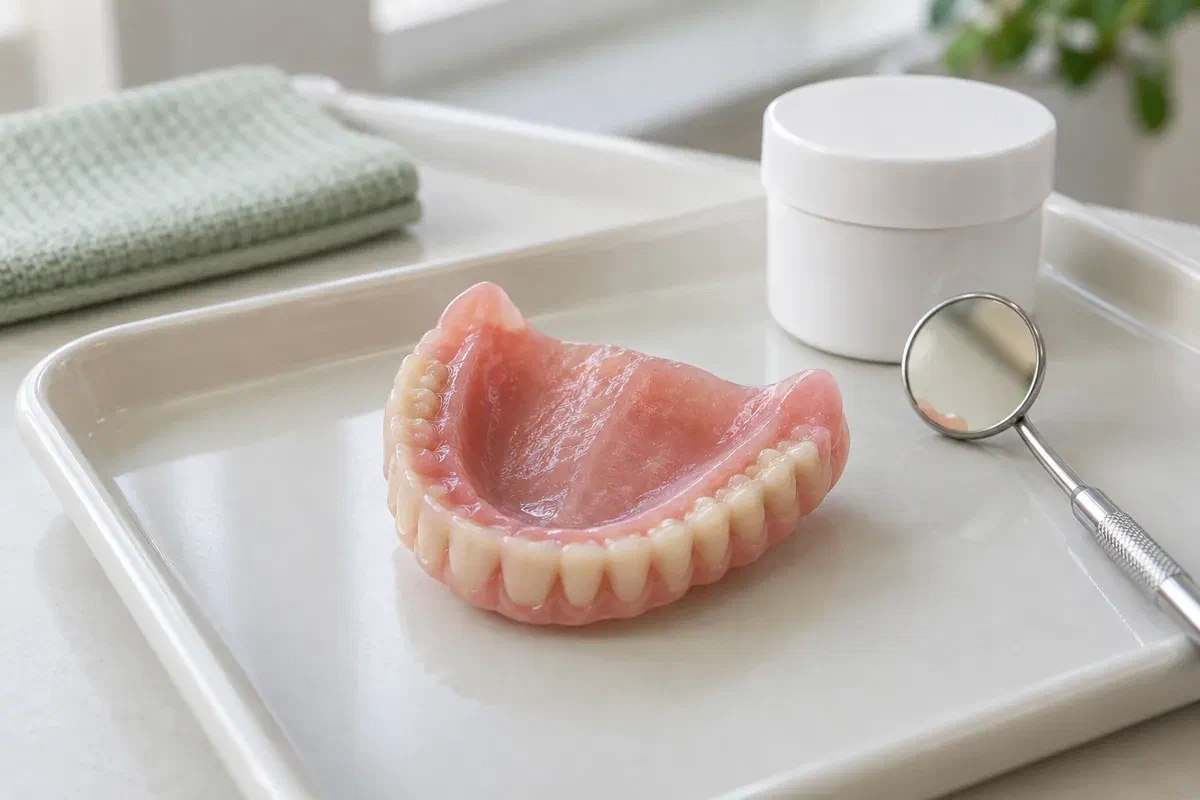
Because the shift happens slowly, people often adapt without noticing. An assessment considers where the denture is supported now, how it moves and the health of the tissues, since the same complaint can mean different things.
Think about when you notice it most, perhaps while eating, laughing or speaking. Movement that appears with one activity can have a different cause from a general sense of looseness.
Extractions, healing and natural reshaping over the years can all alter the foundation. Ask how those changes affect whether a reline is a sensible step right now.
Trapping or a new tender patch is worth raising even when the denture looks perfectly fine. The dentist can check whether the fitting surface, edges or another part is responsible.
We recommend an examination before any change. Adding more adhesive or a home reline kit may hide the looseness without showing whether the appliance is still suitable.
If the arrangement of teeth, the bite and the base are still serviceable, renewing only the fitting surface can address gums that have changed beneath them. The benefit you can expect should be explained in terms of what is found in your own appliance.
Relining has boundaries. It will not restore teeth worn flat over the years, rebuild every edge or strengthen a base that has weakened. Ask plainly which of your concerns are expected to improve and which would still be there.
Patient information: Canadian Dental Association — dentures
The work is aimed at the surface resting on your gums. Understanding that makes it easier to see whether it fits the trouble you experience in everyday use.
When the existing teeth and their arrangement still suit you, they can be preserved. Let the clinician know what you value about the denture as well as what you would change.
If your mouth is still healing, the plan may include an interim material and a later reassessment. Ask whether the lining and timing are meant for a temporary phase or a settled mouth.
The approach and number of visits depend on the denture, your tissues and the material considered. Make sure you understand the plan, any time the appliance will be away and the follow-up before treatment starts.
Bring it along and explain how old it is and when the looseness began. Mention earlier relines or repairs, recent extractions, sore spots and how much adhesive you use.
The dentist examines your gums, the base, the teeth and how they meet. Relining is compared with an adjustment, a rebase or a replacement, depending on what is found.
You will discuss the kind of lining, the impressions needed and whether a lab is involved. Ask how the denture may feel afterward, when you can wear it and what limits to expect.
After the work, the fit and bite are checked and you are given care instructions. Book the suggested review and let us know about any pressure or movement once you are back to your usual days.
Care depends on the lining used and the state of your mouth. Habits that worked for years may not suit a new surface, so ask for advice that fits this appliance.
Some linings are sensitive to certain cleansers or brushes. Ask which products, soaking method and storage are safe, and have the team show you a technique that will not damage the surface.
Note any fresh pressure, rocking or change in how the teeth meet, and when it occurs. Resist the urge to keep testing a sore area or to file at the lining yourself.
A relined denture does not replace regular oral examinations. Your clinician can tell you when the appliance and tissues should be reviewed, particularly if your mouth is still changing.
The best questions link the proposed lining to the denture you actually wear. Ask what should improve, how the visits will work and how to care for it afterward.
Our Bronte Street practice is close to Milton’s historic downtown. Come in to discuss an appliance that has become loose or uncomfortable, and we will examine its support, teeth and bite before recommending a reline or another fit correction.
Tell us how old the denture is and about any past linings, repairs or recent changes in how it feels.
