Comfort, chewing and looks all slipping
When movement, worn teeth and appearance concerns arrive together, waiting may simply mean more of the same. Tell us which bothers you most so the plan addresses what matters to you.


Knowing a denture needs replacing is one thing; finding the right moment is another. For households in Campbellville, a consultation can confirm whether replacement is needed now, outline the stages, and help you fit the appointments around work, weather and the rest of the family.
Plenty of people put off replacing a denture because life is busy. That is understandable, but it helps to know whether waiting is reasonable. A worn appliance that is merely untidy is different from one that rubs, rocks or makes eating difficult.
A new denture is usually considered when the fit has changed, the artificial teeth are worn, the base is damaged, or several problems overlap. How long you have had it is part of the background. The examination, not the calendar, should guide the decision.
Campbellville sits within Milton's own boundaries, so our Bronte Street practice is not far for most rural households here. At a first visit we assess the denture and your mouth, tell you whether a smaller fix could carry you through for now, and sketch out a realistic plan if replacement makes sense.
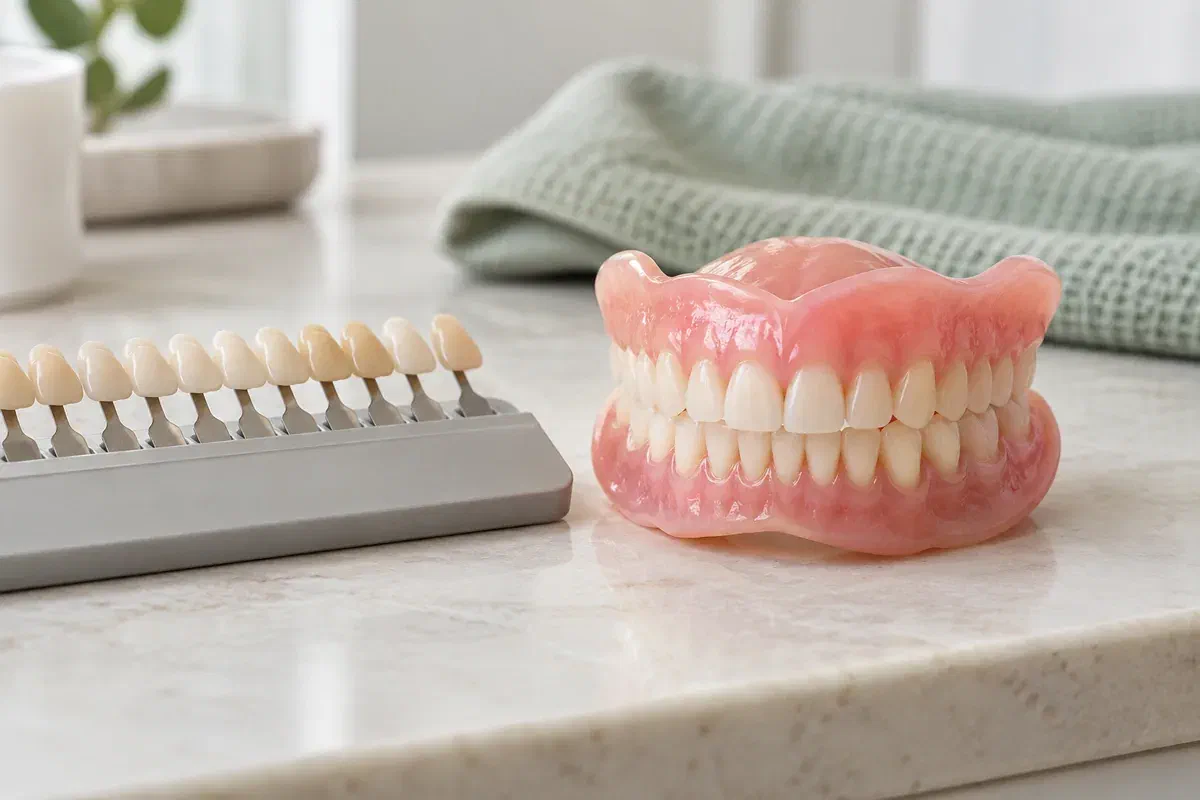
A denture can still be wearable while key parts have changed. An assessment draws together the condition of the appliance, the health of the gums and any natural teeth, and the difficulties you live with day to day.
When movement, worn teeth and appearance concerns arrive together, waiting may simply mean more of the same. Tell us which bothers you most so the plan addresses what matters to you.
Repeated breakage can mean unplanned trips at inconvenient times. Ask whether another repair would genuinely keep a useful appliance going, or only delay changes the whole denture needs.
Persistent sore spots, changes in your gums or remaining teeth, and new trouble handling the denture are reasons not to wait long. A sore that does not heal should be examined promptly.
There is no universal deadline for replacing a denture. Regular checks help you choose between continued use, maintenance or a new appliance.
Compared with a single repair or reline, a new denture lets the teeth, base and overall design be reconsidered together. That helps when the examination shows several features no longer suit your mouth, and it can reduce the cycle of piecemeal fixes.
Be realistic about what changes. A removable appliance has limits, and a new one may feel different and need adjustment in the first weeks. The aim is a practical improvement that suits your mouth and routine, not the feel of natural teeth.
Patient information: American College of Prosthodontists — denture replacement
Note what you would keep from the old denture and what you would change. Having it on paper keeps discussions about appearance, support and handling focused, and makes each visit more productive.
A fresh design can address several concerns at once rather than working around the old appliance's limits. Ask how the examination led to the proposal and what alternatives were considered.
Rural households often coordinate several people's care. Ask about the likely stages, fittings and reviews, and whether other family members' visits could be booked nearby. Raise any concern about being without a usable denture.
The sequence depends on your appliance and oral health. Ask at the outset how records, choosing teeth, fit checks and any preliminary care will be spaced, so you can plan work and travel.
Bring the denture you wear now, even if it is uncomfortable, and tell us about past repairs. After examining your mouth, the dentist identifies which concerns replacement might help and which need other care.
You hear whether repair or relining remains reasonable and what a new appliance would change, along with the expected visits, costs and limits. Then you decide when and how to proceed.
Impressions and bite measurements are taken to build the new denture. Depending on the method, a trial stage may let you review the teeth before the final appliance is completed.
The finished denture is checked in your mouth and you are shown how to insert, remove and look after it. A follow-up appointment gives the team a chance to address anything that crops up at home.
A replacement often takes some getting used to, even for experienced wearers. Follow the care advice for your new appliance, and phone us with specific problems so we can tell you whether a visit is needed.
Ask for a demonstration of insertion and removal, especially if the design differs from your old one. Confirm compatible cleaners and storage, and say so if grip or eyesight make the routine harder.
Note where soreness develops and whether the denture moves during speech or meals. A quick call helps us judge whether to see you soon; please avoid filing or bending the denture yourself.
Fitting is not the last step. Schedule the follow-up at a time that suits you, ask whether more adaptation advice would help, and keep up routine oral examinations.
Good decisions combine what the examination shows with how your life is organised. These answers can help you prepare; they don't assume any design or timeline has been chosen.
Book a consultation at our Bronte Street practice to check a denture that is worn, loose or uncomfortable. We will tell you what still works and help you plan replacement at a time that suits your household.
Have the denture with you, plus a note of anyone else at home who is due for a checkup.
