Each denture has a different flaw
Movement in one, worn teeth or an unwelcome appearance in the other: these can all feed into the plan. Tell us which flaw matters most, so we focus on your priority rather than the most visible wear.


Many wearers end up with two dentures: an old one that feels right but looks tired, and a spare that never quite fit. If that sounds familiar, a denture replacement review for Halton Hills households can sort out what each set is telling you and plan one appliance that does the job.
It is surprisingly common. The original denture is worn and loose but comfortable in its own way; the backup sits in a drawer because it rubs or looks wrong. Swapping between them can hide how much each has changed, and it can make the next decision harder.
Planning a replacement means designing one new appliance around the mouth you have today. The reasons might be a changed fit, artificial teeth that have worn flat, cracks or chips, or several things at once. Age gives context, but it does not settle the question by itself.
Households across Halton Hills can bring both sets to our Bronte Street practice. Comparing them is often revealing: what you like in one and dislike in the other becomes a practical brief. We then examine your mouth and explain whether a repair, a reline or a new denture is the sensible next step.
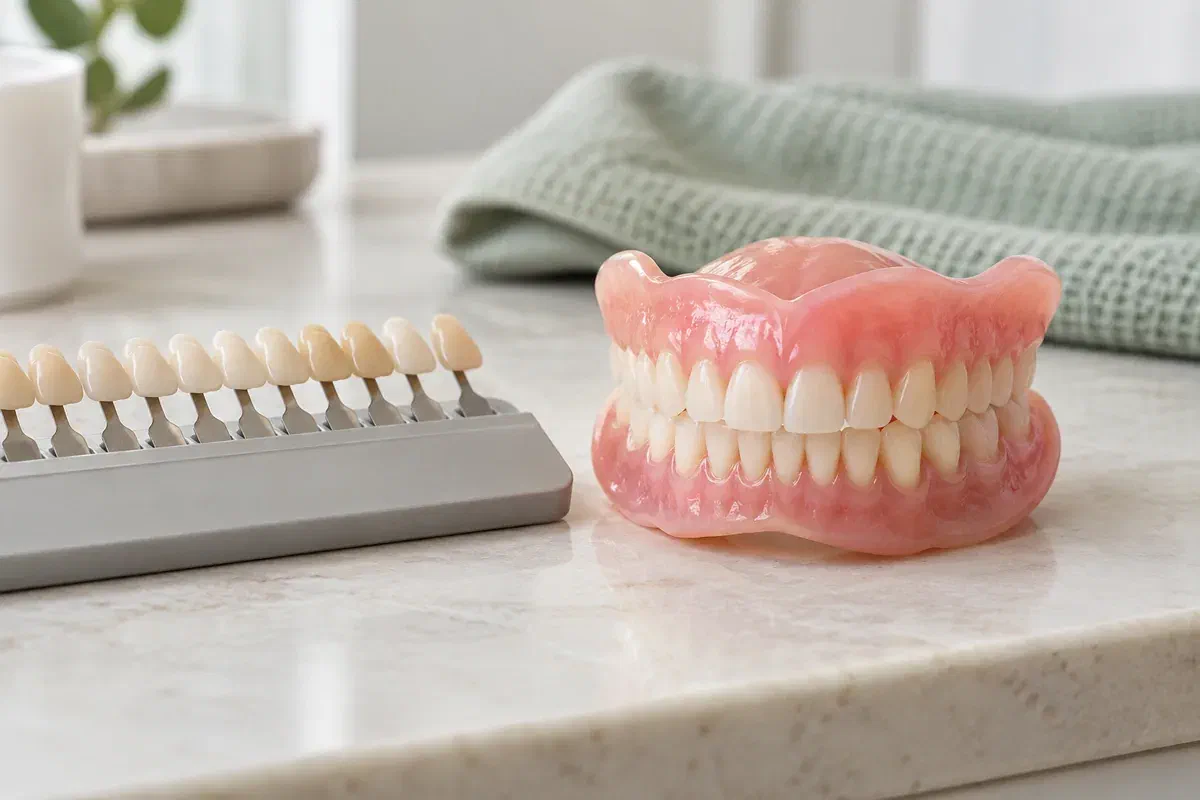
Wearers often keep going with an appliance that has quietly changed. An assessment brings together the state of each denture, the health of the tissues and any natural teeth, and the daily trouble you notice.
Movement in one, worn teeth or an unwelcome appearance in the other: these can all feed into the plan. Tell us which flaw matters most, so we focus on your priority rather than the most visible wear.
When two appliances share a long repair record, a broader look is worthwhile. Ask whether another repair would leave you with one dependable denture, or just postpone a redesign.
Changes in the gums, a natural tooth lost, or new difficulty gripping and cleaning a denture can affect which set, if either, still suits you. Mention these points even if they seem off-topic.
No fixed date says a denture is finished. Regular checks help show whether to keep one, maintain it, or plan a new appliance.
A new appliance lets more of the design be reconsidered than a single repair or reline. That is helpful when the examination shows the tooth arrangement, worn surfaces or overall shape of your current sets no longer match what your mouth needs.
It is wise to be realistic. A removable denture has limits, and a replacement may feel unfamiliar and need adjusting for a while. Combining the best features of two old sets is a fair goal; matching the feel of natural teeth is not something to expect.
Patient information: American College of Prosthodontists — denture replacement
Point out the comfort of one and the appearance of the other, along with anything neither gets right. That comparison gives a concrete starting point for discussing tooth choice, support and handling.
A replacement does not have to inherit either denture's compromises. Ask how your examination shapes the proposed design, and what alternatives were weighed.
Knowing the stages, fitting appointments and reviews makes the switch easier. Discuss work, travel and family commitments, and ask whether you might be without a usable denture at any point.
Every sequence differs with the appliance and your oral health. Ask how impressions, choosing teeth, fit checks and any earlier treatment will be scheduled for your situation.
Bring every set you use, including spares, and tell us their history. The dentist examines your mouth and separates the issues a new appliance might address from those that need other care.
We discuss whether repairing or relining one of the existing sets is reasonable, and what a new denture would change. Scope, visits, costs and limits are explained before you decide.
Impressions or other records guide construction. Depending on the method, you may be able to look at tooth appearance and try an intermediate stage before the final denture is made.
The new denture is checked in your mouth, and you are shown how to insert, remove and care for it. A review appointment lets us respond to anything that appears in normal daily use.
It can be tempting to reach back into the drawer when a new denture feels strange. Stick with the care guidance for your new appliance, and tell us about specific problems instead of retreating to an old set.
Ask us to demonstrate insertion and removal, especially if the design differs from your old sets. Confirm which cleaners and storage suit it, and say so if grip or eyesight make anything difficult.
Notice where soreness develops and whether the denture moves when you talk or eat certain foods. Call the clinic about persistent problems so the fit can be checked; avoid home adjustments.
Fitting is only part of the process. Keep the follow-up visit, ask for more adaptation tips if needed, and continue regular oral exams even after the new denture feels settled.
A good plan draws on what we see in the examination and what you experience every day. These answers are a starting point, not a sign that any design or schedule has been decided already.
Book a visit at our Bronte Street clinic to compare the dentures you have and talk about what a single, well-planned replacement could do. We will explain what still works and what a new appliance could change.
Bring each denture in its own case, plus a few notes on what you like and dislike about each one.
