More than one thing has slipped
Looseness, flattened chewing surfaces and a changed look in the mirror often show up together. Let us know which bothers you most, so the visit addresses your real priority and not just the most obvious mark of wear.


A denture that keeps coming back for another fix may be telling you something about the whole appliance. Book a denture replacement review in Milton to look at the repair history, the fit, the wear on the teeth, and what you would like a new set to do better.
A cracked flange, a tooth that came loose, a base that rocks a little more each month. Any one of these can usually be dealt with on its own. When they arrive one after another, though, it is worth asking whether the appliance as a whole still suits your mouth.
A replacement means designing a new appliance rather than patching the old one. That choice rests on what the examination finds, such as a changed fit, worn teeth or damage, not on how many birthdays the denture has had.
For people here in Milton, our Bronte Street team starts by listening. Tell us what the denture does well, what keeps going wrong, and what you have learned to put up with at meals. We then explain whether another repair is sensible and what a new appliance could change.
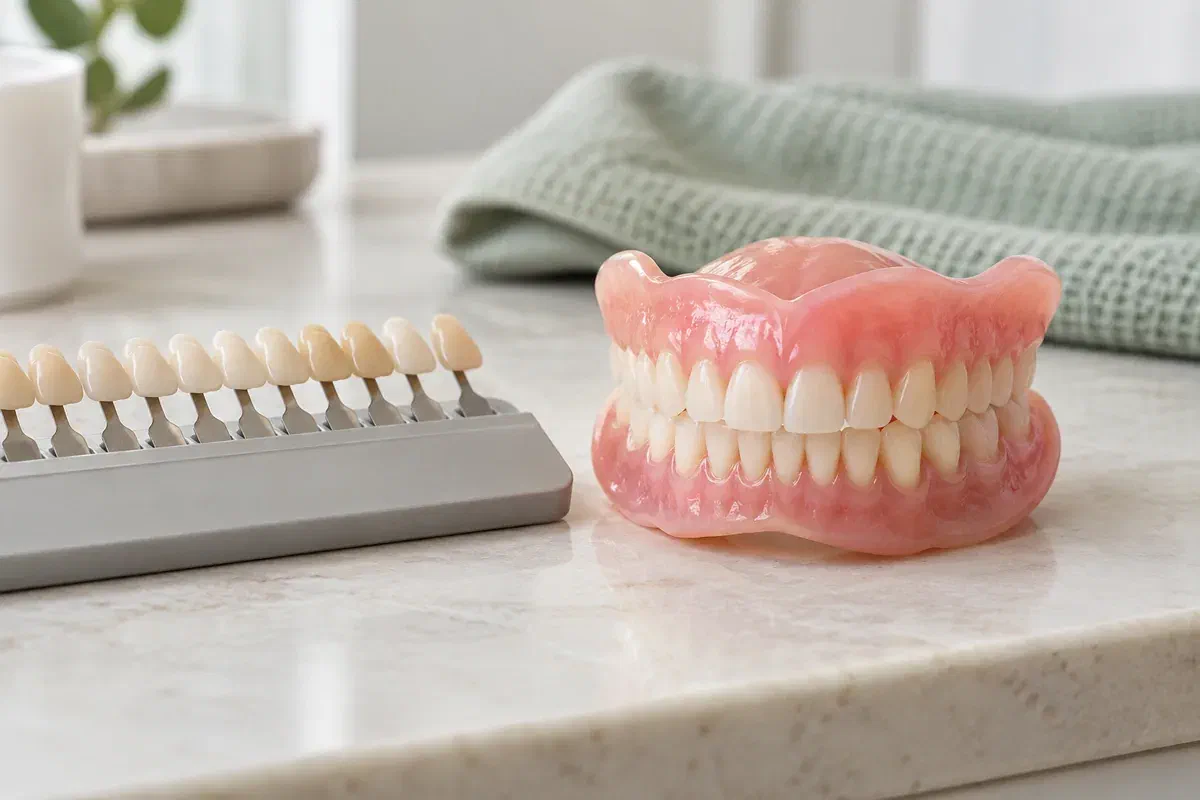
Plenty of dentures stay in use long after small things have changed. A review gathers what is happening with the teeth and base, how the gums and supporting tissues look, and the day-to-day trouble you notice.
Looseness, flattened chewing surfaces and a changed look in the mirror often show up together. Let us know which bothers you most, so the visit addresses your real priority and not just the most obvious mark of wear.
A denture with many past repairs deserves a wider conversation. Ask whether a further fix would keep a useful appliance going, or simply delay changes the whole denture now seems to need.
Shifting gums, a tooth lost or kept, or new trouble gripping and cleaning the appliance can all change whether it still suits you. Raise these points even if they seem to have nothing to do with how the denture looks.
No calendar date tells you when a denture is finished. Periodic checks help decide whether to keep wearing it, maintain it, or plan a new one.
A repair or reline works within the old design. A new denture lets more of it be reconsidered at once, which helps when the arrangement of the teeth, the worn surfaces, or the overall shape no longer match what the examination shows your mouth needs.
Your goals should be your own, and so should the honest limits. A removable appliance is still removable. A new set may feel unfamiliar for a while and need some adjusting, and it should never be described as a return to how natural teeth felt.
Patient information: American College of Prosthodontists — denture replacement
Before anything is made, say which features of the old denture you value and which you would happily leave behind. That list shapes later talks about appearance, support and handling.
Rather than designing around the old denture's limits, a new plan can weigh its features together. Ask how the findings from your examination shape the design being suggested, and what alternatives exist.
Knowing roughly how many stages there are, how fitting works and when reviews happen makes the switch easier to arrange. Mention work hours, trips, people you care for, and any worry about going without a working denture.
The number and order of appointments depend on your appliance and on the health of your mouth. Ask how records, choosing teeth, fit checks and any treatment needed first will be scheduled in your case.
Bring it along even if it hurts to wear, and tell us what has been repaired and when. The dentist examines your mouth and separates the concerns a new denture might solve from those that need their own care.
We talk through whether fixing or relining still makes sense and what a new appliance would actually change. You see the scope, likely visits, costs and limitations before choosing the route that fits the findings.
Impressions or other records guide how the new denture is built. Depending on the method, you may be able to discuss how the teeth look and check a trial stage before the finished appliance is made.
The new denture is checked in your mouth, and you are shown how to put it in, take it out and clean it. A follow-up visit covers anything that surfaces once you wear it day to day.
Long-time wearers sometimes expect a replacement to feel right from day one. Give it time, follow the instructions for your appliance, and tell us about specific problems instead of simply living with them.
Ask for a demonstration, especially if the new design differs from your last one. Check which cleaners and storage methods suit it, and mention any trouble with grip or eyesight.
Pay attention to where pressure builds and whether the denture moves when you talk or eat certain foods. Call us about problems that persist so the fit and bite can be checked properly, and avoid filing or bending it yourself.
Fitting day is not the finish line. Keep the follow-up booked, ask whether more advice on getting used to it would help, and continue regular oral exams even if the new set feels good from the start.
A good replacement conversation blends what the dentist sees with what you live with every day. These answers can help you prepare, without suggesting any design or timeline has been settled ahead of time.
Book a visit at our Bronte Street practice to review a denture that has been fixed, refitted or simply worn for years. We will look at what still works and whether a new appliance makes better sense.
Bring your current denture and, if you can, a short note of past repairs and the things you would most like to change.
