Removal has been suggested and you want a second look
It is reasonable to ask what the diagnosis rests on and whether the tooth could be kept. Timing for an implant becomes the topic once removal and replacement have been discussed fully.


Coming from Etobicoke means each trip deserves to be worthwhile. We can plan tooth removal with possible same-visit implant placement so appointments are well organised, explain when a staged plan is wiser and help you know where to turn for urgent care.
Travelling a longer distance for dental care changes how you think about appointments. You want each one to accomplish something, and you want to know in advance what the next will involve. Immediate implant placement can fit that wish in some cases, because the implant is set into the socket during the extraction itself.
Even then, plenty remains to be done afterwards. A permanent crown does not go on that day, and the new tooth usually cannot take full chewing pressure for some time. How well this approach suits you hinges on the bone and gum around the tooth, its position, and whether a firm implant can be placed where the crown will need it. Part of that picture only emerges after removal.
An assessment at our Bronte Street practice can tell you whether the combined timing is worth considering, whether a specialist should be involved, and how visits might be grouped. The first questions do not change: must the tooth go, and what would replace it well? Fewer trips are a reasonable aim, held alongside those clinical answers.
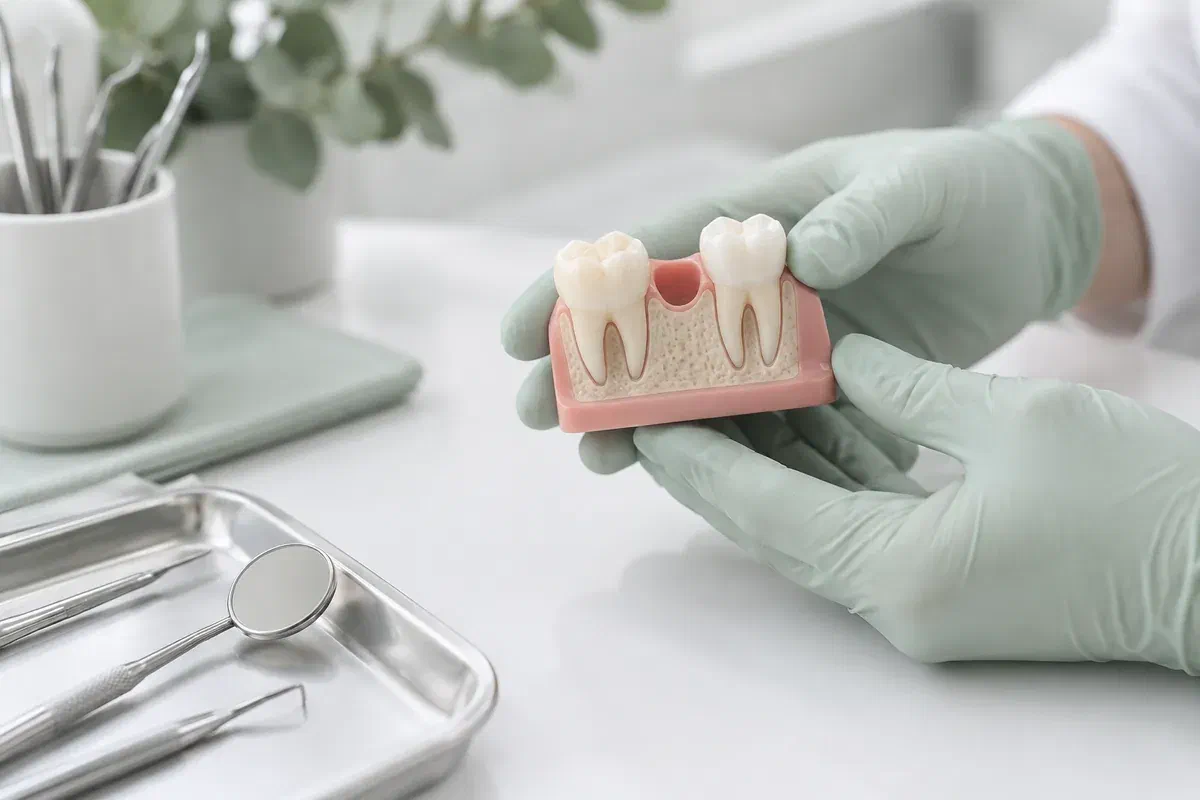
Mention how far you are coming, which days suit you and what support you have at home. With those details and the examination findings, the team can suggest a sequence that is sensible for you.
It is reasonable to ask what the diagnosis rests on and whether the tooth could be kept. Timing for an implant becomes the topic once removal and replacement have been discussed fully.
Settle the temporary in advance. An implant placed during extraction may not carry a tooth that day, so ask what will cover the space before you leave.
Joining the surgery and the implant can sometimes save a visit, but it is not assured. Ask which steps could add appointments and whether some can be combined safely.
Even a well-planned same-visit implant may need to be deferred if the socket is not right once the tooth is out. Agreeing on that alternative first avoids an unexpected extra trip to discuss it.
With a suitable socket, placing the implant at removal can combine parts of the surgical treatment, which may reduce the number of separate procedures. That benefit has to be balanced against the precision required to position the implant well and care for the surrounding tissue in the same session.
It is worth asking about the risks too: infection, an implant that does not bond, gum or bone changes and an appearance that falls short of what you expected. Ask how your own health shapes the advice and what a staged route or a non-implant choice would involve. Combined timing deserves careful assessment, but it does not promise a better result.
Patient information: International Team for Implantology — immediate placement and restoration selection
Seeing every stage set out, from removal to final crown, lets you plan travel and time off. It also gives you a chance to understand each step before anything permanent is done.
Find out what same-visit placement would change for your mouth and your travel, and what might favour waiting. The reasoning should rest on the site and the planned tooth.
If the combined plan is unsuitable on the day, an agreed alternative explains what happens next. Discuss the temporary, care for the site, when you would return and any change in fees or timing.
The assessment, surgery and restoration may involve different clinicians. Ask who leads each stage, how notes are shared and whether any follow-up could be done closer to home.
The clinician reviews the diagnosis, your health history and whether an implant suits you. Imaging and records taken together help reduce the need for extra trips before a timing is proposed.
Go through same-visit placement, delayed placement and non-implant options. Clarify grafting, the temporary, risks, fees and what would happen if the socket differs from expectations.
On surgery day, the treating clinician checks whether the conditions for the planned implant are present. If so, it is placed; if not, the agreed alternative shapes the next appointments.
Follow-ups confirm how the area is recovering. The temporary or final tooth is fitted when healing and the plan allow, so ask how these visits can be spaced to suit your travel.
Aftercare depends on what was done and the temporary you leave with. Get the instructions in writing before setting off, and make sure you know how to reach the team if questions arise on the way or later.
Ask which foods to avoid, how firmly you can bite and how to clean around the area. Feeling comfortable on the drive home does not mean the site is ready for normal chewing.
Confirm allergies, your regular medicines and how to take anything prescribed. Do not alter long-term medication or add treatments on your own.
Reviews help decide when the next stage is safe. Report worsening symptoms, a temporary that shifts or other changes listed in your instructions, and ask whether a call can answer simple questions.
When you come from further away, questions often turn to logistics and what to do between visits. These answers cover the common ones.
Book an assessment at our Bronte Street practice to plan removal and replacement together. We can review your situation, explain the timing choices with travel in mind and note any records or specialist input that might be useful.
Bring any recent imaging or referral letters, and let us know which days work best for travel and whether an extraction is already booked.
