Illustrative patient and dentist discussing a coordinated restorative care plan
Restorative Dentistry

Full-Mouth Rehabilitation in Georgetown

A missing tooth seldom stays a single problem. Neighbours drift, the bite changes and other teeth take on extra work. Full-mouth rehabilitation weighs replacement options alongside everything else your mouth needs.

Gaps, replacements and the teeth around them

The space where a tooth used to be

Losing a back tooth years ago may not have seemed urgent. Over time, though, the teeth beside the gap can tip, the opposing tooth can drift and chewing shifts to the other side. Add a cracked molar or a failing old bridge and you have several problems that are really one larger question.

Full-mouth rehabilitation tackles that larger question. It brings together decisions about replacing missing teeth, repairing damaged ones and supporting a stable bite. The specific treatments depend on your examination. Some gaps may be best left alone, while some existing restorations may be perfectly fine to keep.

For anyone in Georgetown, we can assemble the history, examine the supporting teeth and bone and explain what a coordinated plan would look like. Implant-related work and complex cases often involve a prosthodontist, oral surgeon or periodontist. You should know who provides each stage, the reasoning for it and when decisions will be revisited.

Discuss replacing missing teeth
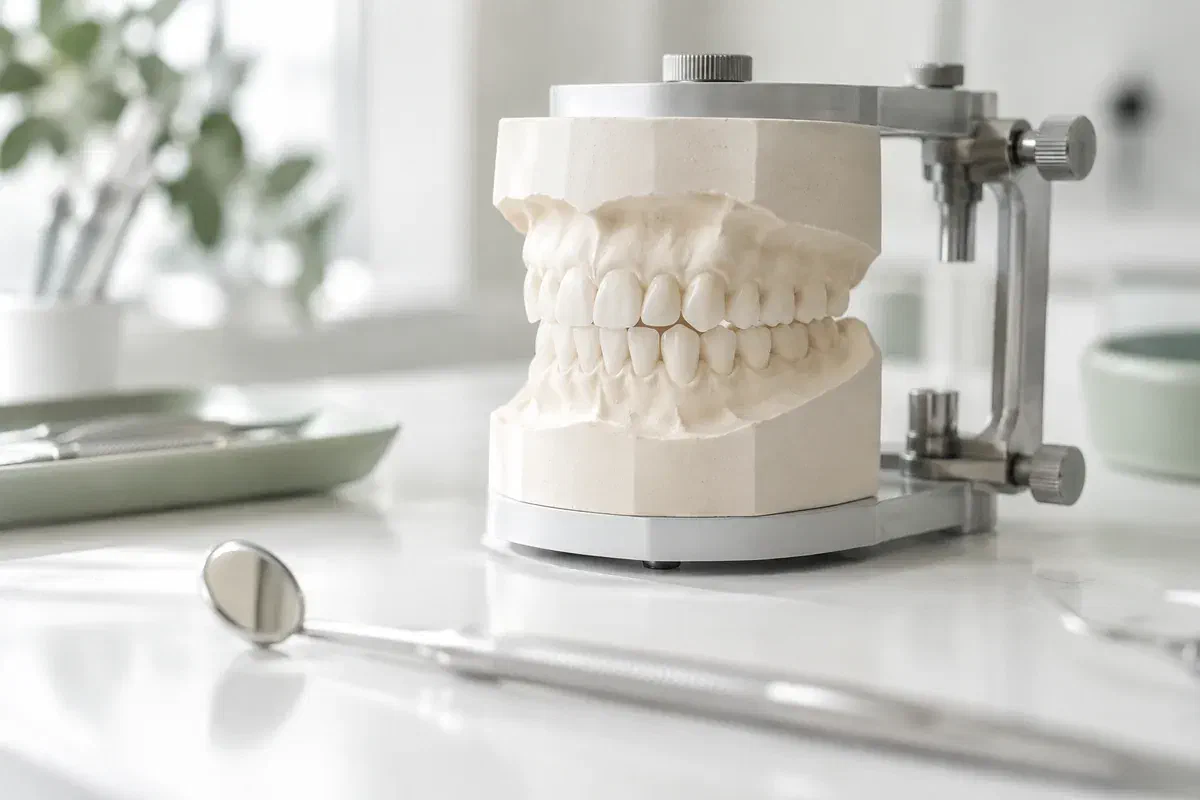
Upper and lower dental study models mounted in an articulator
Why Georgetown gaps rarely stay simple

One missing tooth can affect a whole arch

A wider assessment is especially useful when replacing one tooth depends on others. Bring any previous treatment notes and tell us which gaps or teeth trouble you most.

Teeth beside a gap are damaged too

Neighbouring teeth that are cracked, heavily filled or worn change which replacements are realistic. Their condition, and the reasons for it, should be understood before deciding how much rebuilding is involved.


Several spaces in different areas

Multiple gaps raise questions about support, the opposite jaw and whether one appliance or several separate replacements would suit. Ask how each choice fits the expected future of your remaining teeth.

An old bridge or denture that no longer works

When a replacement fails, it is a chance to reconsider the whole arrangement. A broad review distinguishes urgent repairs from decisions that need more records, a specialist consultation or a phased approach.

A loose, painful or newly broken tooth may need care before the replacement plan is complete. Please mention any symptoms when you book.

Replacement as part of a bigger picture

Choose a replacement that suits the teeth you keep

Every replacement option relies on something: neighbouring teeth for a bridge, gums and remaining teeth for a partial denture, bone for an implant. A comprehensive plan looks at those foundations and at the other treatment you need, so one decision does not undermine another.

Good planning is open about uncertainty too. It covers the alternatives, maintenance demands and the effect of postponing particular steps. No replacement is guaranteed to last indefinitely, and the most extensive option should not be presented as the only choice before simpler ones are explained.

Patient information: American College of Prosthodontists — full-mouth reconstruction

Health needs before cosmetic wishes

Treating infection, decay or loose teeth usually comes before improving appearance. Knowing the role of each recommendation helps you see which decisions are pressing and which can wait.

Consider what can’t be reversed

Removing teeth or trimming healthy neighbours for a bridge affects future options. Discuss those effects first, and consider a second opinion if you are unsure.

A timeline that allows for healing

Implants and extractions involve healing periods, and several appointments may be needed. Talk about time off, travel, budget and home care early so the sequence is workable.

What planning involves

Check the foundations, then plan what goes on them

Treatment moves through assessment, planning, active care and review. How many visits and which clinicians are involved depends on your findings and choices.

  1. Assess teeth, gums and bone

    We review symptoms, previous dental work, medical history and what you want to achieve. X-rays, photographs and models may help evaluate the supporting teeth, gums and bite.

  2. Compare replacement routes

    We discuss which teeth have a reasonable outlook and the options for each gap. Specialist referral can be part of this. You should get the sequence, risks, costs and maintenance for each option in a clear format.

  3. Prepare the mouth

    Early care may address gum disease, decay or teeth that cannot be saved, and may include a temporary replacement. This stage allows healing and a chance to reassess before definitive work.

  4. Place final restorations and plan reviews

    Bridges, dentures or implant restorations are fitted as planned and checked for comfort and bite. Afterwards the team should explain what is complete, what is being watched and how maintenance will work.

Living with replacement teeth

Bridges, dentures and implants each need their own care

A rebuilt mouth often contains natural teeth alongside replacement parts made of different materials. Your daily care and checkups should match that mix.

Learn each cleaning technique

Cleaning under a bridge, around an implant or caring for a removable denture all take practice. Ask to be shown and to try it yourself during a visit, along with any aids that help.

Keep the original problems in view

If gum disease, decay or grinding contributed to tooth loss, stay with the prevention plan. Replacements do not resolve the causes that led to losing teeth.

Book regular, coordinated reviews

Report soreness, looseness, a changed bite or trouble cleaning. When specialists are involved, ask who should see each problem and how records will be shared.

Possible directions

From watching a gap to rebuilding an arch

Each area of the mouth can need a different answer. Your plan should explain why the chosen mix is suitable and what each stage contributes.

When targeted care manages present concerns

Stabilize and keep options open

Sometimes the right move is to treat what is active now, keep up prevention and simply monitor a gap. Ask what this achieves and which replacement decisions it postpones.

When neighbouring teeth need related work

Restore damaged teeth together

Fillings, onlays, crowns or other procedures can be combined where they suit, often to prepare for replacements. Each choice should reflect the tooth’s condition and role.

When several gaps shape the plan

Replace teeth with a specialist team

Bridges, partial or complete dentures, or implant-supported options may be considered alongside other care. Complex needs may involve several disciplines, with alternatives explained beforehand.

Georgetown questions about missing teeth

Sorting out the replacement choices

These answers focus on gaps, replacements and how they fit with other treatment. Your examination will determine the specifics.

(905) 876-4488
What happens if I leave a gap without replacing the tooth?
It varies. Some gaps cause few problems for years, while others allow neighbouring teeth to tip, opposing teeth to drift or food to trap. Position matters, and so does the condition of the teeth around the space. Ask what is likely in your specific situation before deciding.
How do I choose between a bridge, a denture and an implant?
Each depends on different foundations and comes with different maintenance, timelines and costs. Ask for the advantages and limitations of each option compared for your mouth, including what would happen if it failed.
Is there enough bone for an implant?
That needs assessment, usually with imaging, along with a review of gum health and general medical factors. If bone is limited, other replacement options or additional procedures may be discussed. A specialist may be involved in that evaluation and in explaining the trade-offs.
Can I wear a temporary replacement while the plan progresses?
Often, yes. Temporary options can fill a space for appearance or function while healing happens or while the final replacement is being made. They are usually less sturdy than definitive work. Ask how to care for it, what to avoid eating and what its limitations are.
Will treatment include a periodontist or oral surgeon?
Possibly, depending on the procedures needed. Ask who would lead the overall plan, who would do each stage and how follow-up would be divided between offices.
Does my whole mouth need treating just because I have gaps?
No. The plan should reflect what each area needs. Some teeth may need work, others only cleaning and monitoring. A comprehensive review simply makes sure replacement decisions fit with everything else. Ask why each proposed item is included.
Plan your replacement from Georgetown

Look at the gaps and the teeth around them together

Book time at our Bronte Street clinic to discuss missing teeth alongside your other dental concerns. We will review where things stand, help order the priorities and explain when a specialist opinion or further records would help.

Bring information on past replacements or extractions if you have it, and jot down which gaps bother you most when eating or smiling.

Visit Milton Dental Clinic
Unit 1, 342 Bronte St. S, Milton, ON L9T 5B7
Get directions Clinic hours
Monday–Thursday
11am–7pm
Friday–Sunday
By appointment only

Areas we serve

  • Milton
  • Oakville
  • Mississauga
  • Georgetown
  • Halton Hills
  • Acton
  • Campbellville
  • Brampton
  • Burlington
  • Puslinch
  • Rockwood
  • Erin
  • Caledon
  • Etobicoke
  • Old Milton
  • Bronte Meadows
  • Timberlea
  • Dorset Park
  • Dempsey
  • Clarke
  • Beaty
  • Coates
  • Harrison
  • Scott
  • Willmott
  • Ford
  • Bowes
  • Cobden
  • Walker
  • Mountain View
  • Milton Heights
  • Hawthorne Village
  • Valley View
  • Fallingbrook
  • Nassagaweya
  • Trafalgar
  • Esquesing
  • Nelson
  • Brookville
  • Moffat
  • Glen Williams
  • Norval
  • Limehouse
  • Stewarttown
  • Ashgrove
  • Hornby
  • Silver Creek
  • Speyside
  • Scotch Block
  • North Oakville
  • River Oaks
  • Glen Abbey
  • West Oak Trails
  • Palermo
  • Bronte Creek
  • College Park
  • Joshua Creek
  • Uptown Core
  • Preserve
  • Iroquois Ridge
  • Lisgar
  • Meadowvale
  • Meadowvale Village
  • Churchill Meadows
  • Erin Mills
  • Central Erin Mills
  • Streetsville
  • East Credit
  • Creditview
  • Heartland
  • Sheridan
  • Mount Pleasant
  • Credit Valley
  • Huttonville
  • Churchville
  • Springbrook
  • Northwest Brampton
  • Bram West
  • Fletcher's Meadow
  • Fletcher's Creek South
  • Alton Village
  • Orchard
  • Millcroft
  • Headon Forest
  • Tansley
  • Brant Hills
  • Tyandaga
  • Kilbride
  • Lowville
  • Aberfoyle
  • Morriston
  • Arkell
  • Hillsburgh
  • Freelton
  • Carlisle
  • Waterdown
  • Flamborough
  • Mountsberg

How can we help?

Milton Dental Clinic

Have a question about your smile? Choose the option that works best for you.

For urgent dental concerns, please call.
Messages are reviewed during clinic hours.