Teeth that are worn, flattened or breaking
Surfaces that have lost their shape and teeth that fracture under normal chewing should be looked at together. Understanding the cause guides how much reconstruction is appropriate.


Chewing on one side, cutting food smaller, skipping things you used to enjoy. When several teeth are involved, a full-mouth plan looks at how they work together so eating can become more comfortable again.
Dinner is often where the problem becomes obvious. You favour one side because the other has a sore crown, a missing molar or a tooth that cracked last year. Raw vegetables, crusty bread and tougher meats slowly disappear from the plate. These habits creep in so gradually that many people hardly notice them.
Full-mouth rehabilitation addresses mouths in which several issues overlap and affect function. Treatment can involve restoring damaged teeth, replacing missing ones and considering how the upper and lower teeth meet. There is no single recipe. The work chosen depends on what is found, and healthy teeth are left as they are.
From Mississauga, including western neighbourhoods such as Meadowvale and Churchill Meadows, you can visit us to gather the history, examine the bite and discuss what a coordinated plan might include. Complex needs may call for a prosthodontist or another specialist. Each stage, its purpose and its review points should be explained to you in advance.
A combined assessment helps whenever treating one tooth could affect how others function. Let us know about past dental work and which foods or situations cause the most trouble.
Surfaces that have lost their shape and teeth that fracture under normal chewing should be looked at together. Understanding the cause guides how much reconstruction is appropriate.
Missing back teeth shift the load onto the teeth that remain. Replacing them involves the neighbours, the available support and the opposite jaw, so ask how an option would hold up over the long term.
When one area settles and another starts aching, the problems may be connected. A wider review can sort out what needs prompt care and what calls for more records, specialist opinion or a staged plan.
A sharp toothache, swelling or a freshly broken tooth may need treating before the plan is finalized. Mention current symptoms when booking.
Teeth do not chew independently. A new crown on one side changes how forces meet the opposing teeth, and a missing tooth alters how the rest carry the load. A rehabilitation plan considers those relationships, showing which decisions influence one another and which can be made separately.
Planning should be honest about its limits as well. It ought to cover uncertainty, alternatives, upkeep and what may happen if a step is delayed. Even extensive work does not come with a permanent guarantee, and it should not be the first proposal before lighter options are discussed.
Patient information: American College of Prosthodontists — full-mouth reconstruction
Restoring the ability to chew may be more pressing than cosmetic changes. Ask what each recommendation is meant to achieve so you can tell which ones affect day-to-day eating and which can wait.
Extracting teeth or reshaping them for crowns can limit later options. A comprehensive plan gives you the chance to talk those effects through first and to get another opinion where useful.
Work hours, the trip from Mississauga, healing time, cost and home care all matter. Bring them up early so the order of treatment is realistic and expectations for each stage are understood.
Treatment follows assessment, planning, active care and review. Visit numbers and the clinicians involved depend on what is found and which approach you choose.
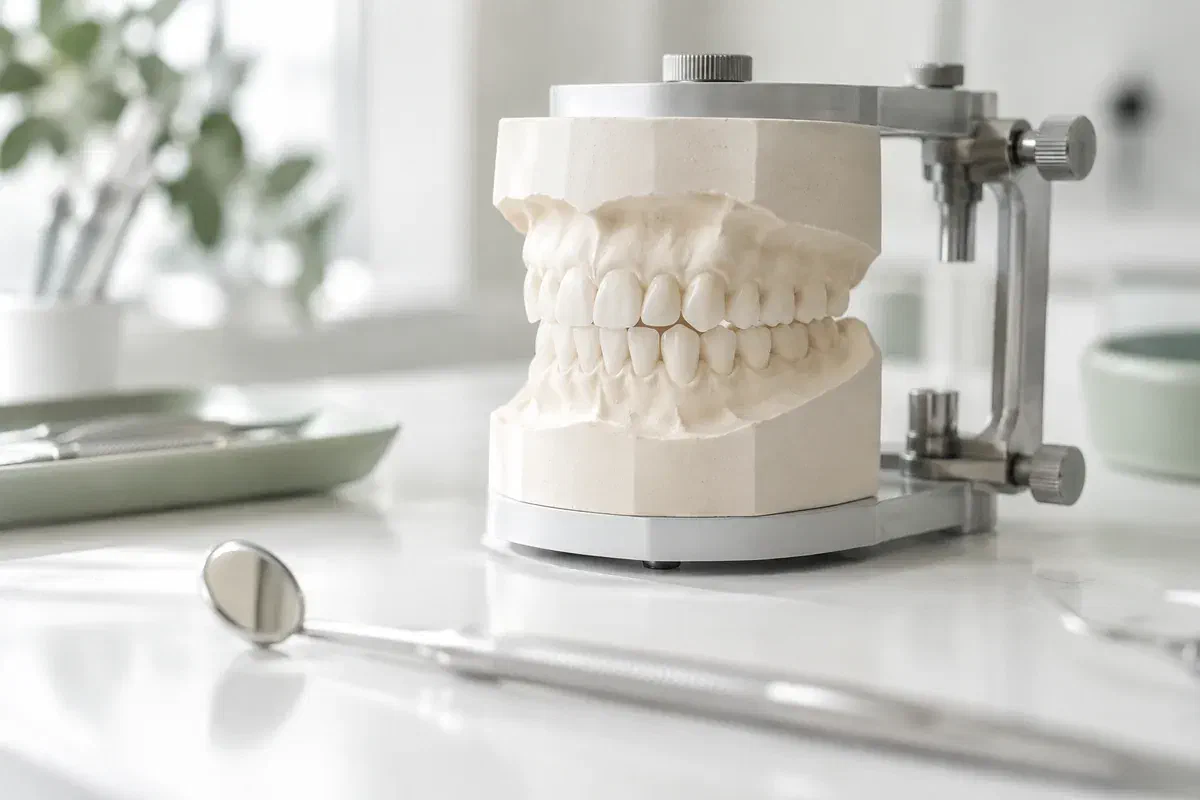
We discuss symptoms, foods you avoid, previous treatment, health factors and goals. Imaging, photographs and study models may help evaluate the teeth, gums and how the jaws come together.
We consider which teeth can sensibly be kept and what each concern needs. A specialist may be involved. Expect a clear outline of sequence, alternatives, risks, costs and ongoing maintenance.
Initial care might treat decay or infection, or use provisional restorations before final ones. That phase lets us reassess and find out how a changed bite feels when you actually eat.
Definitive treatment follows the agreed plan, with checks suited to each procedure. Expect a summary of what is done, what is still being monitored and who looks after later repairs.
A rehabilitated mouth may combine natural teeth with several materials and replacement parts. Your home care and recall visits should be designed around that mix.
Natural teeth, bridges, implants and removable pieces each have their own requirements. Ask the team to show you the hard-to-reach spots and suggest tools that keep the routine manageable.
If heavy biting, grinding or decay risk contributed to the original problems, follow the prevention plan. Restorations by themselves do not remove the causes of earlier damage.
A bite that feels high, new sensitivity, chipped material or food trapping are worth a call. Ask which clinician should assess each concern and how notes are shared between offices.
These answers focus on function, comfort and choices. Your examination will decide the specifics, and every recommendation should be explained.
Make an appointment at our Bronte Street office to review the overlapping problems behind your chewing difficulties. We will assess the starting point, set priorities together and explain whether more planning or specialist input would help.
Bring any earlier treatment records and a list of the foods or habits you would most like to get back to.
