A filled space in the meantime
Ask what temporary tooth the plan includes, how long it is expected to stay and what you may not do with it. Knowing its lifespan makes the waiting period easier to plan.


An immediate implant starts quickly, but the finish depends on milestones only a review can confirm. For people in Erin and Hillsburgh, we explain what those check-ups look for and how you will know the permanent tooth is ready.
People often ask when the implant will be finished, expecting a date. The more honest answer is a list of milestones. An immediate approach may bring the first steps together, but the moment the permanent tooth can be made depends on how the site heals, and that is something reviews reveal over time.
Two meanings of immediate are common. Immediate placement sets the implant in the socket during the visit when the tooth is extracted. Immediate restoration fastens a tooth onto the implant shortly after it goes in. Neither means the implant has finished bonding with bone. Until it has, a provisional is usually there to hold the space, with limits on chewing.
From Erin village, Hillsburgh or the farms in between, knowing the milestones helps you plan each trip with purpose. Ask which part is immediate, what must be true for it to happen, what the fallback would be, and what each later review is meant to confirm.
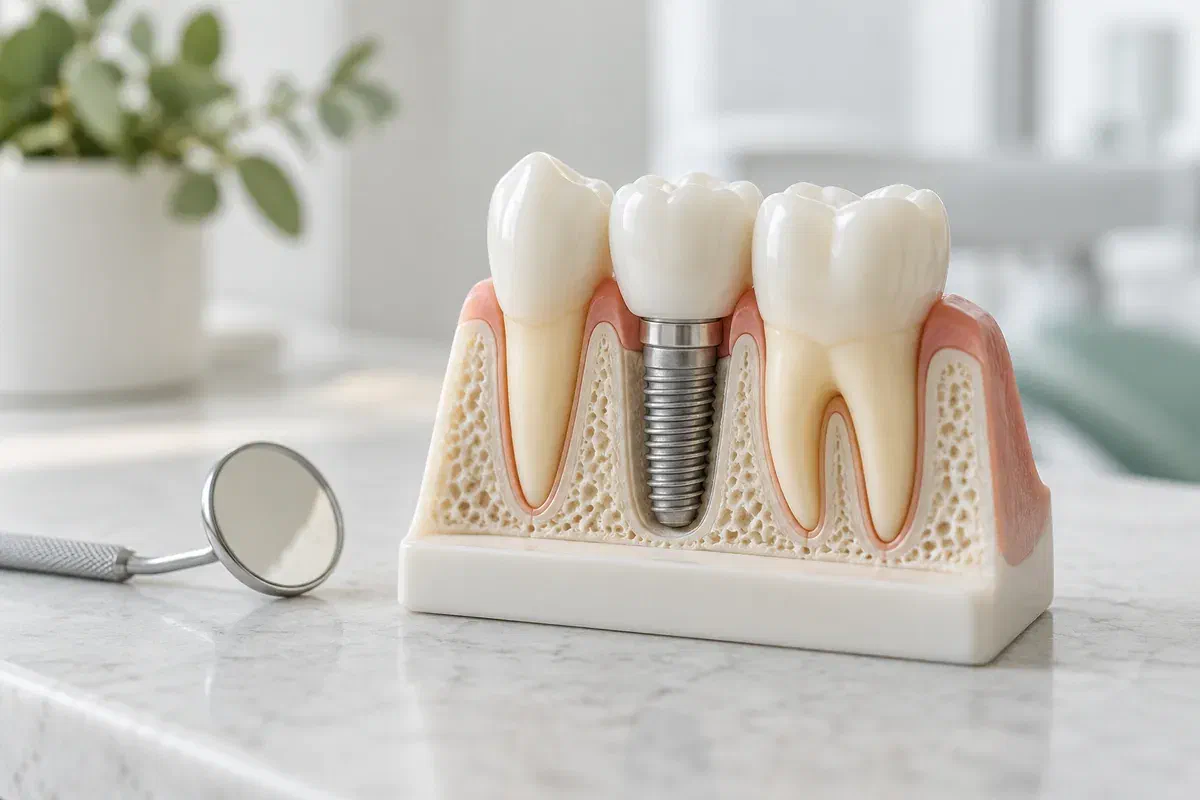
Finished can mean different things. Tell the clinician whether you are most eager to have a gap filled, to avoid more procedures, or to chew normally, and the milestones can be explained in those terms.
Ask what temporary tooth the plan includes, how long it is expected to stay and what you may not do with it. Knowing its lifespan makes the waiting period easier to plan.
Joining extraction and placement may save one procedure. The milestones still follow: healing reviews, records, a fitting and the final restoration. Ask how many of each to expect.
Ask how the clinician will judge that the implant is ready to carry a permanent tooth, and that the plan be written as placement, restoration and loading.
A same-day permanent tooth should not be promised before the clinician has evaluated the site and the restoration it is meant to hold. Healing milestones, not hopes, set the timetable.
When a site is well suited, bringing early stages together or fitting an interim tooth may be part of thoughtful care. Any advantage should be explained for your own mouth: what has to be in place for it to work, and which restrictions you would keep while the site heals.
Risks and alternatives belong in the discussion too. How solidly the implant is held, the state of gum and bone, the restoration’s design and your health may all suggest a slower pace. Ask what would favour waiting longer and what findings at a review could change the plan.
Patient information: International Team for Implantology — implant placement and loading protocols
An interim tooth may fill the gap well before the implant can carry full biting. Seeing the difference helps you respect the limits until a review lifts them.
Line up work, family plans and travel with the expected reviews. Ask which milestones have rough dates and which depend entirely on healing.
If healing is slower than hoped, an agreed alternative explains what happens next. Knowing that in advance avoids disappointment and supports informed consent.
A thorough assessment explains the timing proposed, the conditions it needs and the checkpoints after it. Where the surgery and the crown are handled by different people, find out who carries out each review and who makes the call that the final tooth can begin.
The clinician examines the area, reviews your medical history and takes images. If a tooth is still present, the reasons it is failing and whether it might be kept are weighed before anything is planned.
Each stage is set out, from extraction where relevant to placement, interim tooth and permanent crown, with what each one depends on and when biting is allowed.
On the day, conditions may make an immediate step unsuitable. The agreed alternative is used if so, and the plan is reassessed rather than pushed through.
Follow-up visits check healing and stability. Once they confirm readiness, records are taken, the final tooth is made and fitted, and the interim is retired.
Your instructions depend on the procedure and tooth placed. Keep them in a spot you see each day, and ask about anything confusing before returning to your normal routine.
Choose foods as advised and chew elsewhere if told to. Do not try out the interim tooth on firm foods; it is not built to do the final tooth’s job.
Ask how to care for the gum around the implant and the interim tooth while healing continues. The routine will change as you pass each checkpoint, so confirm each step.
Attend follow-up even when nothing feels wrong. Report unexpected movement, worsening discomfort or anything your instructions list, so healing can be checked.
These answers explain the checkpoints that follow an immediate start. Your own plan should list each proposed step and the findings it depends on.
Book a planning appointment at our Bronte Street practice to discuss implant timing and replacing your tooth. We will explain what assessment is needed and which checkpoints would follow an immediate or staged start.
Bring any previous proposals or images, along with your calendar for the coming months, and tell us which milestone you are most keen to understand.
