Keeping their smile and dignity
Many patients feel strongly about not being seen without teeth. Raise this before an extraction date is chosen, so there is time for records and lab work and for the dentist to explain what can be previewed.


Helping a parent through extractions means juggling medications, rides and new routines. For families in Caledon, we plan immediate dentures with the patient and caregiver together, from health history to the final fit review.
Often the first call about immediate dentures comes from a daughter, son or spouse who is managing appointments for someone else. That is welcome. An immediate denture is prepared from records taken before the teeth are removed, then placed at the extraction visit where it is suitable, standing in for a few teeth or a full arch.
Caregivers should know from the start that the fit will not stay the same. As the gums and bone heal, they shrink, and the appliance may loosen, rub or need help to seat. Reviews, adjustments and possibly a reline or a newer denture later are expected, so it is wise to plan transport and time for those visits.
Coming from Caledon, you and the patient can attend the first consultation at our Bronte Street practice together. Bring a current medication list, mention any memory, hand or swallowing difficulties, and tell us who will help day to day. With the patient’s consent, we will make sure both of you understand the plan.
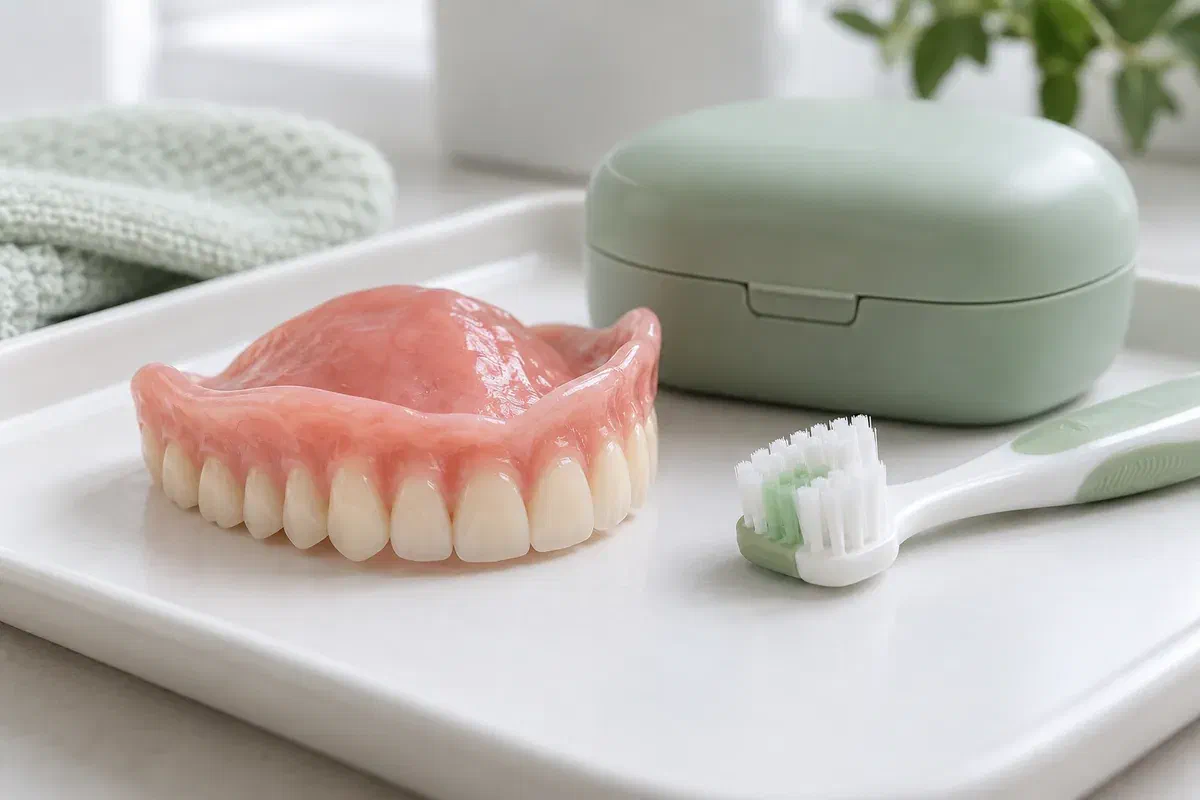
This choice affects appearance, the health of the mouth and how well the patient can manage a removable appliance. For older adults, general health and home support matter just as much.
Many patients feel strongly about not being seen without teeth. Raise this before an extraction date is chosen, so there is time for records and lab work and for the dentist to explain what can be previewed.
Ask for an explanation of each recommended extraction and whether any teeth could be kept. The patient should understand the diagnosis as far as possible and be part of the decision.
If arthritis, memory changes or a gag reflex could make handling hard, tell us. Instructions can be explained to the caregiver as well, which matters while the extraction sites are healing.
Preparation must start well before removal. If another office has already booked the extraction, please contact us first so timing and each team’s responsibilities can be confirmed.
For a suitable patient, an immediate denture provides replacement teeth at the extraction itself, rather than after a healing period without them. That can help with appearance, meals and social contact, which may be especially important for someone living with other health conditions.
It has real limits. While natural teeth are present, fit and tooth arrangement cannot be tried in completely, and healing will change the support. Ask how those limits will be handled, what follow-up is expected and how the caregiver can help.
Patient information: Royal Devon University Healthcare — immediate denture information
Share the full health history and medications, and confirm who makes, fits and reviews the denture. If another office or a physician is involved, agree how information will be passed on.
Ask to see how the denture is inserted, removed and cleaned, and go over soft foods and wear times. The person helping can practise with guidance before recovery starts.
Fit checks are needed as healing goes on. Ask how many visits to plan for and whether relines or a later appliance are included in the estimate, so rides can be arranged.
The details depend on the teeth involved, the appliance and the patient’s health. Seeing all the stages together helps a family arrange transport, time off and support at home.
The dentist examines the mouth and reviews medical history and medications, then explains why removal is advised and what alternatives exist. Further assessment or input from a physician may be needed.
Impressions or similar records allow the denture to be made in advance. The patient and caregiver discuss its appearance, what cannot be previewed and how any other clinician will be involved.
The treating team confirms on the day whether the appliance can be placed as planned. Written instructions for the healing sites, the denture and contacts are given to both patient and caregiver.
Reviews check comfort, tissue recovery and fit as support changes. The dentist explains whether adjustment, a reline or a later replacement makes sense, and checks how the home routine is going.
Early advice after extraction often differs from a long-term denture routine. Keep the printed sheet where the caregiver can see it, and ask about removal, cleaning, medicines, meals and reviews.
The clinician may want the denture worn a certain way at first. Stick to that plan rather than a familiar overnight routine, and ask when the usual practice of removing it at night begins.
Ask the team to show you how to clean the denture, the natural teeth still in place and the tender sockets as the weeks go by. Offer the soft foods suggested and watch for difficulty chewing or swallowing.
Sore spots, trouble seating the denture or increasing looseness should be reported. Do not file it, force it in or add home liners, and call if the patient stops wearing it because of pain.
These answers cover coordination, caregiver support and the changing fit during recovery. For your family member’s own care, follow what the treating clinicians advise.
Book a consultation at our Bronte Street office for the patient and caregiver to talk through immediate dentures before any teeth come out. We will cover how the appliance is prepared, the fitting day, home support and the reviews that follow.
Please bring a medication list, and tell us about any extraction already scheduled with another office.
