The crown is chipped, cracked or worn
Extent and location decide whether a repair could hold. Earlier chips or a bite that has changed may explain the damage and influence which option lasts.


Someone has told you the crown on your implant needs replacing, and you would like to understand why before agreeing. From anywhere in Halton Hills, you can get a second look at the crown, its connection, the implant and the gum, with every option laid out.
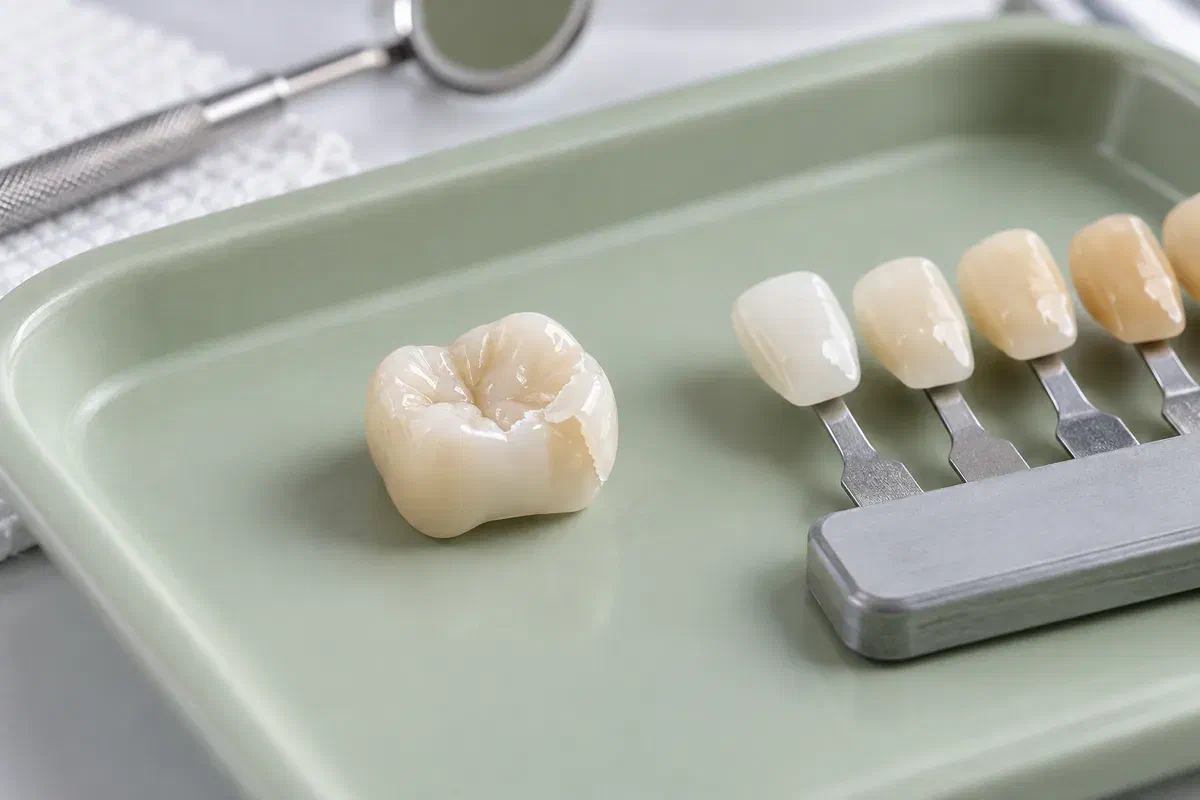
A recommendation to remake an implant crown is a significant one, and wanting to hear the reasoning is completely sensible. The crown is the tooth-shaped part fixed to the implant system. It may be worn, cracked or poorly suited to your bite while the implant beneath is doing well, or the real issue may lie in the connection or the gum.
Our aim is to explain the findings in plain terms. We will look at the same tooth with fresh eyes and talk you through what is actually wrong. Sometimes a remake is clearly the best option. In other cases a smaller repair, work on a component or simply monitoring the tooth can be reasonable, and occasionally the concern needs care beyond the crown.
If you already have a treatment plan or X-rays from another office, bring them, along with the crown’s repair history and anything you noticed changing. You should come away knowing what would be replaced, what could remain and what constraints your implant site sets.
Knowing the basis of a proposal lets you ask better questions. Any notes from the previous office help us compare findings directly.
Extent and location decide whether a repair could hold. Earlier chips or a bite that has changed may explain the damage and influence which option lasts.
Repeat movement calls for an examination of the connection and other components. A remake does not always fix it, and the implant may need assessing too.
Food trapping, visible metal or an awkward shape can be good reasons for change. The implant position and gum contour can still limit what a new crown alone delivers.
If the crown moves or comes away before you decide, call before using it to chew. Keep the part in a safe container and do not glue it back.
When a remake is justified, it can fix features that adjustments to the existing crown cannot reach: the material, the overall shape, the contacts, the colour or the way the crown is held on.
Asking questions also protects you from a remake that leaves the real cause untouched. The implant, the connection and the surrounding tissue must suit the proposed work. Find out which concerns the new crown should improve and which will need separate attention.
Patient information: Cambridge University Hospitals — maintenance of implant restorations
This single finding largely determines the scope. A clear explanation should say whether the crown is unusable or a retained component needs treatment first.
Your own account of food trapping, bite and cleaning gives both opinions a common reference. Mention what you liked about the old crown as well.
Materials and attachment methods differ in how they are checked and serviced. Factor that in alongside appearance and cost.
The attachment method and implant system shape the plan. Ask about removal of the existing crown, interim arrangements, the records needed and any tests before a new crown is ordered.
Bring the proposal and any images you have. We ask when the crown went in, what has been repaired and how your health, habits or neighbouring teeth have changed.
The dentist checks the crown, contacts, connection and gum. Fresh imaging may be needed to separate a crown problem from one involving the implant or its support.
You hear what each route would change and keep, including components, along with material choices, fees, number of visits, the removal process and temporary cover.
There is no pressure to book treatment on the day. Should you go ahead, the finished crown is assessed against your implant parts, nearby teeth, gum and bite, and you leave with care advice and a review plan.
A new crown may feel different even with the same implant underneath. Follow the instructions given at fitting and notice the bite and cleaning as you return to everyday meals.
A crown that hits first or catches should be adjusted at the clinic. It will not reliably settle on its own, and home adjustment can damage it.
Contours change how you reach the gumline. We can demonstrate brushes or floss that fit, and look at any area that still traps food.
Ongoing reviews matter for the implant and tissue. Tell us soon about movement, chipping, lasting bleeding or signs that resemble the earlier problem.
These questions help when you are weighing a recommendation for an existing implant tooth. The right treatment depends on the findings, not on assuming every concern needs a new crown.
Our Bronte Street team is glad to take a second look at an implant crown recommendation. We will explain what we find and whether a repair, a remake or further care seems most appropriate.
Bring any existing treatment plan, X-rays, implant details and repair history you have.
