An aid that used to fit no longer does
Spaces and preferences can change. Bring the aids you use and describe how they’ve been working, so updated advice can reflect reach, comfort, and the shape of your restoration.


How often should an implant be professionally cleaned, and who decides? For households in Erin and Hillsburgh, our implant hygiene visits set a maintenance interval based on your restoration and gums, then make every appointment in that schedule count.
There’s no single correct interval for implant maintenance. Someone with one crown and healthy gums may need a different schedule from a person with a full-arch bridge or an overdenture and a history of gum problems. The shape of the restoration, how well home cleaning reaches it, and what each visit finds all feed into the decision.
Each appointment therefore does two jobs. It provides professional cleaning around the restoration, and it gathers the information that sets the next interval. The team examines the gum, notes where deposits are forming, and asks which areas are hard to reach. Findings that need the dentist’s attention or a separate treatment plan should be spelled out, not lumped in with maintenance.
Living in a rural part of Wellington County, you may want to plan the year’s visits in advance. Ask what interval is being recommended and why. Bring your current aids to each appointment, show where cleaning has been tricky since last time, and try any adjusted technique before heading back to Erin.
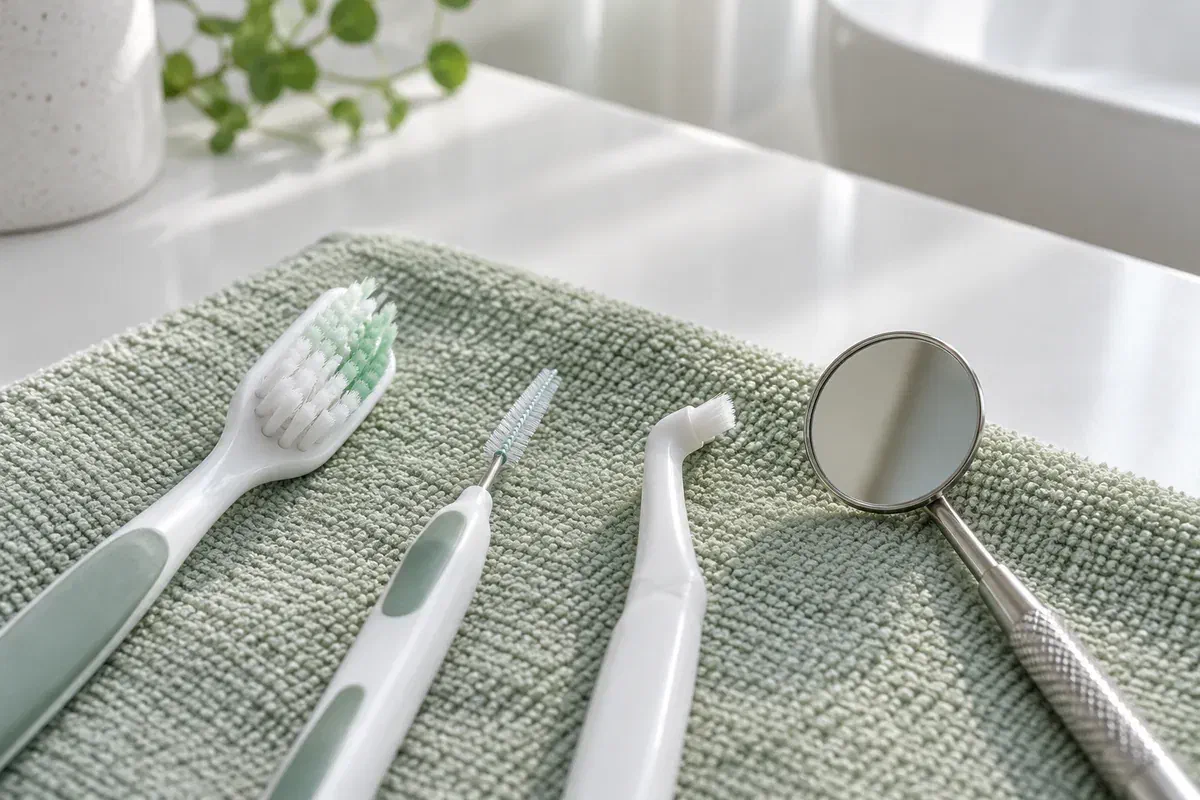
Updates help the team decide whether your schedule still fits. Mention a brush that has started catching, a bridge that seems to trap more food, or a spot that has become tender since your previous appointment.
Spaces and preferences can change. Bring the aids you use and describe how they’ve been working, so updated advice can reflect reach, comfort, and the shape of your restoration.
If you can feel deposits forming between appointments, say so. They need professional removal, and their pattern may influence your interval. Avoid scraping them with household items or a home scaler.
Let the team know about sensitivity, anxiety, jaw fatigue, or gagging. Breaks and comfort measures can be agreed ahead of time, which can make regular visits easier to keep.
Don’t wait for a scheduled visit if you notice swelling, persistent bleeding, new pain, or a restoration that moves. Call to describe it so the team can arrange the right type of appointment.
Planned maintenance allows deposits to be removed with suitable methods and lets the team compare findings from one visit to the next. It also gives you a recurring chance to ask about products and technique while looking at your own restoration, so small problems with your routine get corrected before they become habits.
Between appointments, your home routine does most of the work. No interval, however short, can keep making up for an area that’s never reached or a method that’s too complicated to keep up. A helpful result combines suitable professional care, a routine that you understand, and a clear plan for anything still unresolved.
Patient information: European Federation of Periodontology — implant care and prevention
At each visit, ask the team to watch how you use your aids. The aim is effective access without forcing a brush, missing important surfaces, or letting the routine grow longer than necessary.
Comparing the gum around an implant across visits helps guide care. If an area bleeds or stays tender, ask what the finding indicates and whether monitoring, more assessment, or treatment is suggested.
Changes in your health, eyesight, grip, or help at home can affect cleaning and may change how often you should come in. Mention them so the team can adjust the plan.
What happens depends on your restoration and what is found. Ask what today’s visit covers, whether a separate exam is due, and how any sensitive areas will be managed.
The team reviews your health information, implant history, and how cleaning has gone since the last visit. Mention new medications, repairs, attachment changes, or advice from another clinician.
Implant sites and other areas are examined as appropriate and compared with previous findings. This shows where deposits gather and whether your routine reaches them, and may prompt further assessment.
The clinician selects instruments and methods suited to the surfaces involved. Speak up if anything is uncomfortable and use your agreed pause signal; the care is tailored to you.
Practise any adjusted method with feedback from the team. Confirm products, priority areas, and the date of your next visit, along with the reason for that interval and any separate follow-up.
Follow the guidance for your restoration. If a technique gets harder at home, call the clinic for advice instead of forcing the aid or waiting until the next scheduled appointment.
Each aid is chosen for a certain space and route. A larger brush won’t necessarily clean better, and a technique used under one bridge may need adjusting around another implant.
Natural teeth and implants differ in structure. Keep using fluoride toothpaste and your recommended tooth-cleaning routine alongside the specific implant methods you were shown.
Ask what to expect after care. If bleeding or tenderness persists or worsens, contact the team, and attend any reassessment rather than holding off until routine maintenance.
Practical details help a schedule last. Ask why a certain interval was chosen, request a demonstration again, or explain what makes regular visits hard.
Schedule a visit with the Bronte Street team to have your implant work cleaned and to agree on a maintenance interval that makes sense for you. Bring your current aids, the dates of your last few cleanings if you know them, and any questions about timing so each appointment is well used.
Tell us about your implant restorations, when you were last seen, and whether you’ve noticed bleeding, soreness, or movement.
