Movement that keeps coming back
Please avoid rocking it to compare with last time. Different components feel similar when loose, and extra load can add wear. Describe how it behaves during everyday eating instead.


When an implant crown keeps working loose, tightening it again is only half the job. From Georgetown, you can have our Milton dentist look for the reason it recurs, from the bite to the fit and components, before recommending a lasting repair.
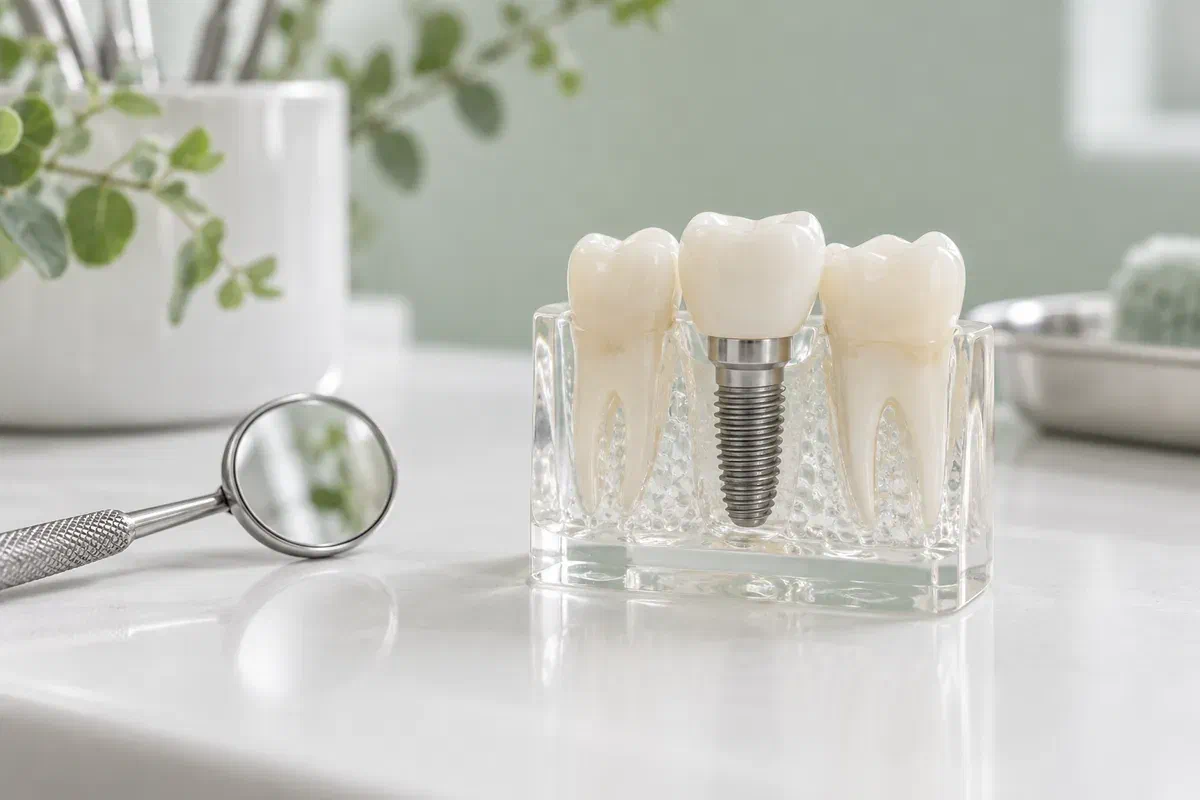
Some people have had the same implant crown tightened or recemented more than once, only to feel it shift again months later. That pattern is a clue. The crown sits on a connection, sometimes through an intermediate component, and the implant beneath is held in bone. Recurring movement suggests something in that chain deserves a closer look.
It still does not mean the implant has failed. Nor does it mean the crown simply needs another turn of a screw. Our dentist works out which part keeps moving, examines the gum and bone, and checks for components that have worn, stretched or cracked after repeated episodes.
If you are coming down from Georgetown, let our Bronte Street team know how many times this has happened and roughly when. Bring any records from earlier repairs, along with the implant card if you have it. Those details help us understand the system and judge what a more durable repair might involve.
Tell us when the crown was placed, how many times it has loosened, how long each repair lasted, and whether anything such as a hard bite, new dental work or a fall preceded the latest episode.
Please avoid rocking it to compare with last time. Different components feel similar when loose, and extra load can add wear. Describe how it behaves during everyday eating instead.
A crown that has always felt slightly high, or clicks on certain bites, may point toward contact or loading as part of the cause. Note when it is most noticeable and whether that has changed.
Bleeding, swelling, tenderness or discharge should be mentioned. Repeated movement and tissue problems are assessed together, since a crown fix by itself may not address what the gum is showing.
Call promptly whenever the crown moves again rather than waiting to see if it settles. If it detaches, keep it and any parts in a closed container and do not reattach them.
Where the implant is stable and the problem lies in the crown or connection, repair without replacing the implant may still be possible. The examination confirms whether that is true for your tooth and what parts or additional steps would be required.
With a recurring problem, the cause deserves as much attention as the repair. Fit, connection design, bite forces, grinding and the history of previous fixes can all play a role. Ask how the recommendation addresses that cause, and what follow-up will show whether it worked.
Patient information: Cambridge University Hospitals — implant restorations and complications
The dentist explains which part keeps moving and which look sound. That keeps the next repair targeted, rather than repeating a fix that has not lasted.
Parts can wear with each episode. Records of your system help confirm what is in place, whether fresh compatible components are available, and whether another clinician or extra visits should be involved.
Ask whether the crown can be kept, whether it should be remade, or whether a temporary is wise while a cause is investigated. The answer depends on the findings and should be realistic.
Assessment covers the whole restoration and its history of repairs. Its design and what we find guide how the crown is accessed, what can be retained, and whether repair can proceed at that visit.
Your dentist asks when each loosening happened, what was done and by whom, and what records exist. Notes from earlier repairs often reveal patterns, such as the same component failing.
Clinical checks and imaging when indicated locate the movement and evaluate the support. How your teeth meet is examined closely, since loading can contribute to repeated loosening.
Work may involve a new component, a revised attachment, a remade crown, or bite protection. Before anything begins, you get an estimate and a frank account of what this attempt can and cannot change, plus any parts, lab or referral steps.
After repair, the bite and stability are rechecked and home care is explained. A review is planned to see whether the change has held, and you are told which signs should prompt an early call.
Advice depends on what is found and repaired. Ask for clear instructions on eating, cleaning, any temporary crown, and whether a night guard should be worn or adjusted.
Avoid hard or sticky foods on that side until it is assessed. Do not test it repeatedly, and call if the movement increases or the crown feels close to detaching.
If you have used cement or tightened it yourself before, please tell us and stop. Home products and makeshift tools can damage implant parts and may be part of why the problem returns.
After repair, note any new movement, clicking, discomfort or bite change, and call. Keep your review appointment even if all is well, since a history of loosening makes follow-up especially useful.
Answers depend on your system, the crown and the findings. They explain why a recurring problem needs records and a full examination before another repair.
Tired of the same crown working loose? Speak with our Bronte Street team. We will examine the crown, parts and bite, explain repair choices, and identify which records would help us plan a durable next step.
Call about renewed movement, pain, swelling or a part that has come out, and bring notes from any earlier repairs.
