A hollow that packs with food
Let us know where food gets caught and whether you can clear it. Avoid using sharp objects to dig it out, and don’t keep pressing anything into the space to see if it feels more normal.


Once a filling has fallen out, the obvious question is what should go in its place. People travelling from Georgetown can have the tooth examined first, so the choice of material and restoration is based on how much sound tooth remains rather than on what was there before.
It’s natural to want the gap filled with whatever was there before, or to ask straight away for a tooth-coloured option. Those are reasonable questions, but the answer comes after the exam. The opening might be filling material alone, or a portion of tooth may have broken off with it, and that changes what the tooth can support.
Material and restoration type are chosen to fit the defect’s size and position, the strength of the walls around it, the forces your bite puts on it, and any deeper concern. A direct filling suits many teeth. A larger restoration, or care for the nerve, might come up if support is limited or the pulp is affected.
To help us prepare, tell us when the filling came out and what you notice when you eat, drink or brush. Mention any material preferences, and whether the old filling was recent, temporary or part of other treatment. Then we can plan the visit from Georgetown with your questions in mind.
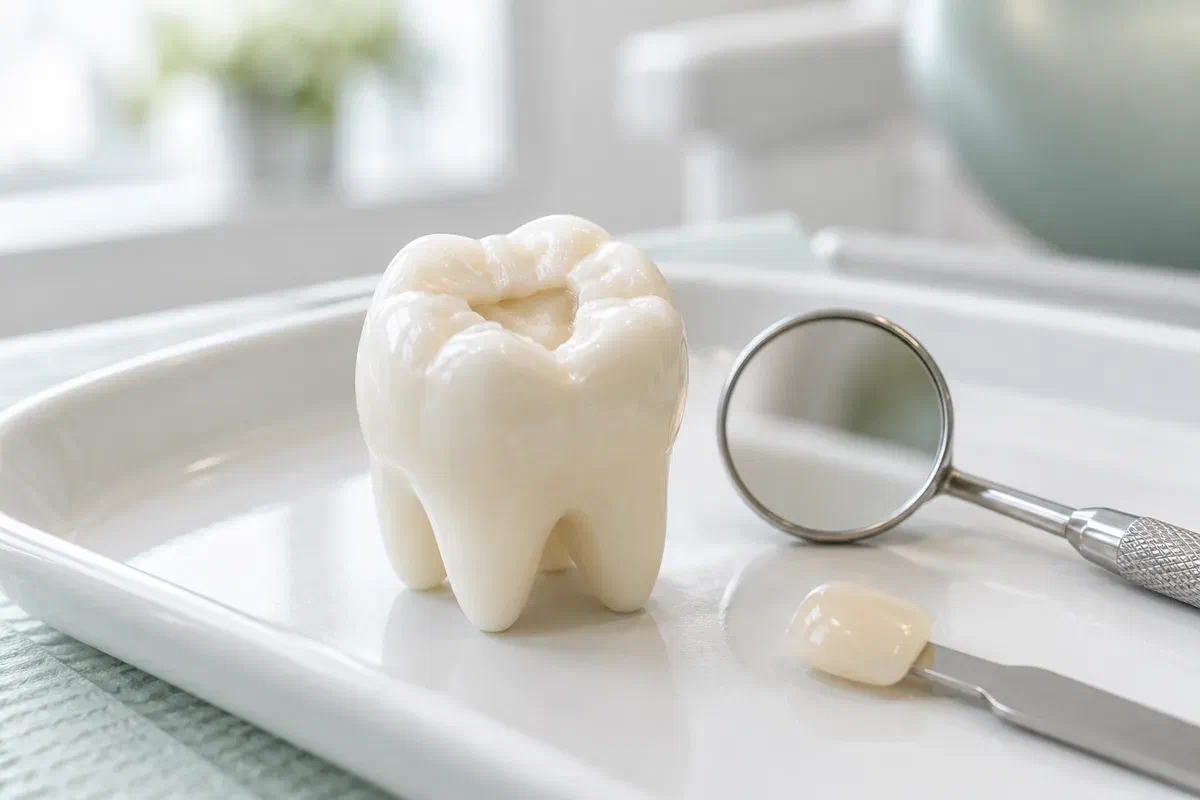
You might not know if the lost piece was filling, tooth or a combination. That’s common, and it’s exactly what an exam is for. Describe the change in plain terms and let the dentist confirm the details.
Let us know where food gets caught and whether you can clear it. Avoid using sharp objects to dig it out, and don’t keep pressing anything into the space to see if it feels more normal.
The edge may be what remains of the restoration or the tooth wall itself. Call if it is rubbing your mouth sore, and avoid smoothing it with a nail file or similar.
Note what triggers it, how long it lasts and whether it ever aches on its own. These clues help the dentist assess the tooth’s health as well as the shape of the gap.
Phone us about pain that worsens or persists, swelling, fever, or a recent blow to the mouth. If swelling makes breathing or swallowing difficult, get emergency medical care immediately rather than waiting for a dental appointment.
A material that worked well years ago may not be the best answer today, because the tooth itself may have changed. Before recommending anything, the dentist looks at how much wall is left, whether decay or a crack has developed, how your bite meets the tooth and what you’ve been feeling.
What you’re aiming for is a restoration that is sound, comfortable and easy to clean, and an idea of why the old filling failed if that can be determined. Ask about the findings, the pros and cons of each material or restoration, and whether the first step is temporary or permanent.
Patient information: Cleveland Clinic — fillings and other restorative options
The space you can feel doesn’t show how much support remains. Whether a wall has broken away often decides between a filling and broader coverage.
A deep, aching defect may need a different approach from a shallow, comfortable one. The dentist can explain the purpose of any test and how it could alter the advice.
Ask about comfort, the number of visits and the estimate for each option before deciding. If an interim step is suggested, ask what it protects, what it leaves undone and when to come back.
Each step depends on the findings. If you’re nervous about dental work or the tooth is sensitive, say so before we begin so we can discuss the sequence and comfort options with you.
Your dentist checks the opening, the surrounding structure, your bite and your symptoms. Where useful, radiographs or other diagnostic checks may be recommended to look for decay, cracks or a deeper issue.
The findings, alternatives and estimated fee are explained, including why one material may suit better than another. If a direct filling is chosen, the tooth is prepared, with freezing and moisture control as required.
The chosen material is placed and shaped to restore the tooth’s form. If a different sequence is needed, temporary protection is placed and the plan for completing treatment is explained.
The dentist checks how the new surface meets the opposing teeth. Ask how to care for the material, what you might feel afterward, and when to call if the tooth stays sore or feels high.
Contact us for guidance that fits your symptoms and stage of treatment. A temporary filling lost between visits may need a different approach from a permanent one that has just broken.
Until the dentist has seen it, keep nuts, hard crusts, toffee and similar foods away from that tooth. If cold or heat causes discomfort, stick to comfortable foods and drinks and try not to keep testing it.
Brush with a fluoride toothpaste and clean between teeth carefully. Tell us if the area is too sore to clean, and avoid using pins or other sharp objects on trapped food.
Wait for freezing to wear off before chewing. Report a bite that feels high, increasing pain, sensitivity that lingers or a fresh break, and keep any appointment that completes temporary work.
Bring questions about the old filling, current symptoms and material options. Recommendations should be based on the tooth today, with an explanation of how the new restoration is meant to work.
Get in touch with our Bronte Street clinic about a missing filling or a new hole in a tooth. We’ll examine what remains, explain the material options and help you choose a suitable repair.
Call if you have significant pain or swelling, and mention any treatment on this tooth that is still under way.
