A pocket that collects food
Point out where food settles and whether brushing or flossing reaches it. Avoid prodding the space with sharp tools, and don’t keep pressing gum or wax into it to see whether that makes it feel better.


An old filling that has served you for decades can still let go one day without warning. From Old Milton, a short trip to our practice lets the dentist check what is left of the tooth, look for the reason it failed, and plan a repair that suits it now.
Plenty of people in Milton’s historic downtown have fillings that were placed long ago and have hardly been thought about since. When one of them gives way, the tooth underneath has had years to change. There may be a hollow, a sharp rim, a spot that traps food, or a twinge with cold. Occasionally part of the tooth broke away with it.
Because of that history, the visit starts with what remains, not with filling the hole. The size and position of the space, the strength of the walls around it, and signs of any deeper trouble all shape the plan. Another filling may do the job, though a larger restoration or a different treatment can be discussed if the tooth is weakened or the nerve is involved.
Before your appointment, think back to when the filling went in, if you can remember, and when you noticed the change. Tell us how the tooth behaves with eating, drinking and brushing, and whether the filling was temporary or part of care that is still under way. Those details help us prepare.
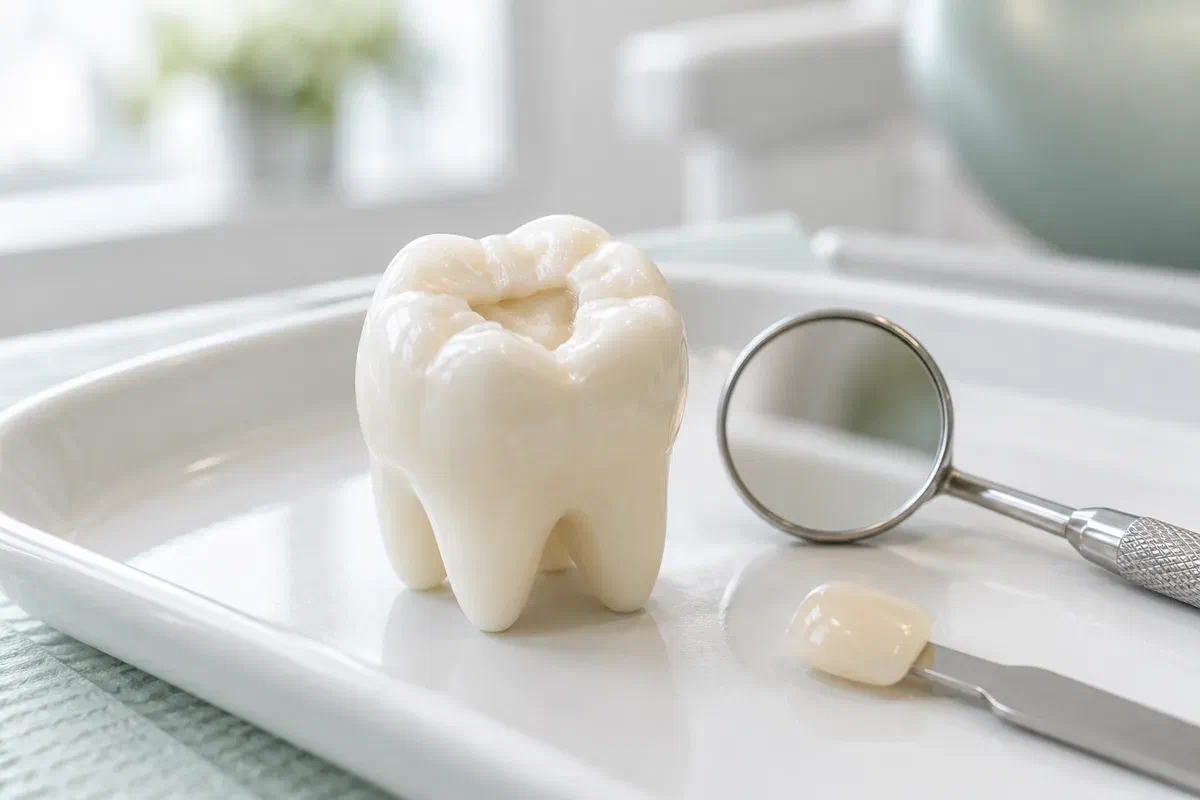
It is often impossible to tell from the outside whether you lost filling material, tooth structure, or both. That uncertainty is reason enough to come in. Describe what you’ve noticed and let the examination answer the rest.
Point out where food settles and whether brushing or flossing reaches it. Avoid prodding the space with sharp tools, and don’t keep pressing gum or wax into it to see whether that makes it feel better.
The sharp part may be left-over filling or the edge of the tooth. Get in touch if it is rubbing your tongue or cheek raw, and please don’t try to sand or file it down yourself.
Note what sets it off, how long the feeling lasts, and whether it ever hurts with no trigger at all. That helps the dentist judge the health of the tooth beyond the space you can see.
Call us about pain that is building or lingering, any swelling or fever, or damage after an injury. Swelling that interferes with breathing or swallowing is a medical emergency, so go to emergency care right away instead of waiting for a dental appointment.
Dental materials and techniques have changed since many long-standing fillings were placed, and so has the tooth itself. Before recommending anything, the dentist considers the remaining walls, any new decay or cracks, how your bite lands, and what you’re feeling.
The goal is a sound surface you can keep clean, along with an explanation of why the old restoration failed when that can be worked out. Ask what was found, which materials or types of restoration would suit, and whether the first step is meant as a stopgap or the final repair.
Patient information: Cleveland Clinic — fillings and other restorative options
The gap you see may not reflect how much support the tooth still has. Learning whether a wall has broken away explains why one tooth gets a filling and another is offered fuller coverage.
Deep damage with ongoing pain is handled differently from a shallow loss that feels fine. The dentist can explain why any test is used and what result would change the recommendation.
Raise comfort measures, how many appointments to expect, and the estimated fee before going ahead. If a temporary step comes first, ask what it protects, what it leaves for later, and when to return.
Each visit follows what the examination uncovers. If dental work makes you uneasy or the tooth is already sensitive, mention it, and we will explain each stage and the comfort options before beginning.
The dentist checks the area where the filling was, the tooth around it, your symptoms and your bite. X-rays or further tests may be recommended when they could reveal decay, signs of a crack, or a problem deeper down.
You’ll go over the findings, the alternatives and the estimated cost. If a direct filling is appropriate, the damaged part is prepared, with local anaesthetic and moisture control used as the procedure calls for.
A suitable filling is placed and shaped for the space and the chosen material. When a different order of treatment is needed, the team describes any temporary protection and how the remaining care will be arranged.
The new surface and its contacts with neighbouring teeth are checked. Ask about eating, cleaning, sensations to expect, and when to come back if soreness persists or your bite seems uneven.
Phone for guidance that fits your symptoms and stage of care. A temporary filling that comes out between visits may need different handling from a decades-old filling that has just broken.
Keep hard and sticky foods away from it until you’re seen. If it reacts to temperature, stick with foods and drinks that feel comfortable and stop testing the tooth to check whether it still hurts.
Brush carefully with fluoride toothpaste and clean between teeth as well as the area allows. Let us know if it is too sore to reach, and don’t use pins, knives or other sharp objects to pry out food.
Wait for numbness to wear off before chewing. Report a bite that feels too high, pain that is getting worse, sensitivity that won’t settle, or a fresh chip, and keep any appointment that completes temporary treatment.
Come with questions about the old repair, how the tooth feels, and possible materials. Recommendations should be based on how the tooth is now, with a clear explanation of what the new repair is designed to do.
Call our Bronte Street practice, a short way from Milton’s historic downtown, about a filling that has come out or a new hole you can feel. We’ll check the remaining tooth, hear how it’s behaving, and explain your repair options.
Please phone if you have significant pain or swelling, and let us know if the filling was part of treatment that isn’t finished.
