Food lodges in a new place
Mention where it collects and whether you can clean it out. Avoid poking it with sharp items, and resist the urge to keep pressing material into the space to see how it feels.


A filling rarely falls out for no reason, and knowing the cause can change how the tooth is repaired. If you’re coming from Rockwood, our dentist can look for decay, wear, cracking or bite stress behind the loss and explain a repair that takes it into account.
Fillings don’t last forever. Edges can wear, decay can creep in around the margins, a wall can crack under years of chewing, and heavy clenching or grinding can add stress. Sometimes a single bite on something hard is the final straw. Knowing which of these played a part helps the dentist choose a repair with a better chance of holding.
The plan itself depends on what is left. The dentist considers the size and position of the defect, the health of the surrounding tooth, and any sign of a deeper problem. A new filling suits many teeth. If support is lacking or the nerve is involved, a larger restoration or a different treatment may be discussed instead.
It’s helpful to tell us what you were eating when it happened, if anything, and how the tooth now reacts to chewing, cold or brushing. Mention whether the filling was old, recent or temporary, and whether you grind or clench. Those details let us plan a visit from Rockwood that looks at the cause as well as the gap.
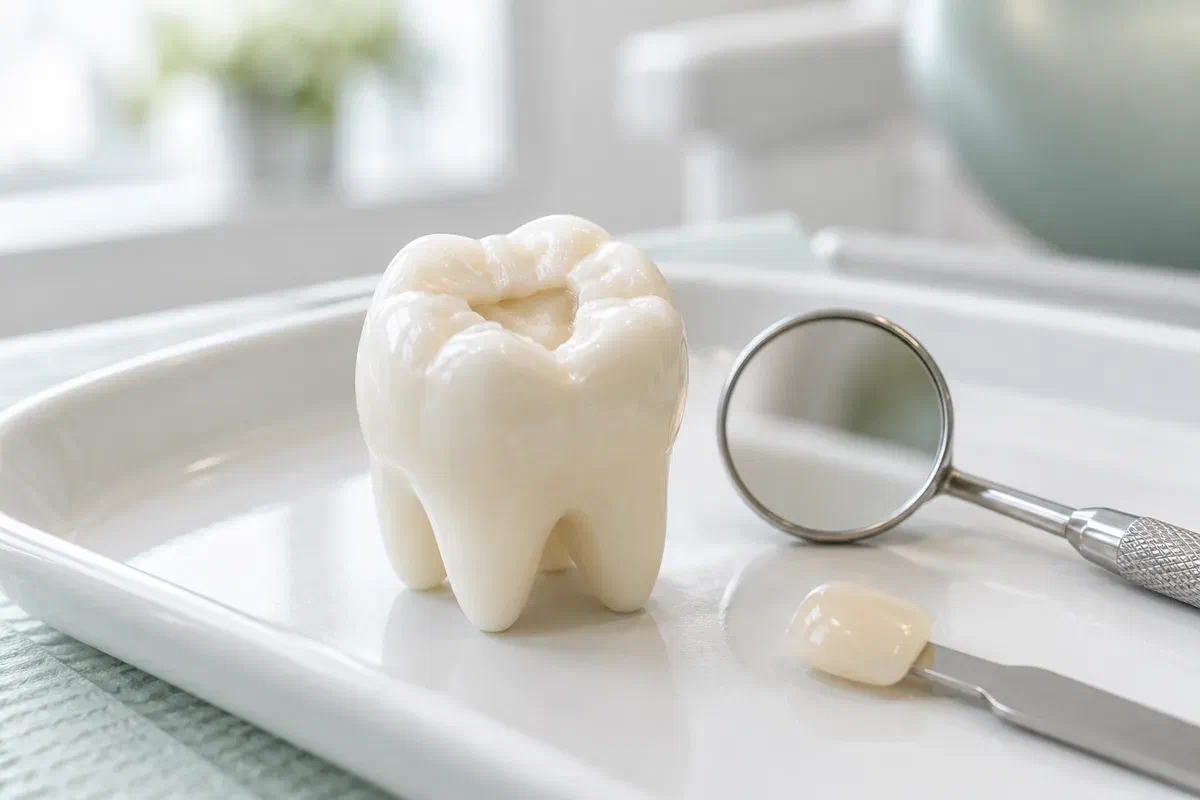
Most people can’t tell whether a filling, tooth or both came away, and you don’t have to. Describe what you’ve noticed and let the examination pin down what happened.
Mention where it collects and whether you can clean it out. Avoid poking it with sharp items, and resist the urge to keep pressing material into the space to see how it feels.
A rough edge can belong to the leftover filling or to a broken bit of tooth. Call if it is irritating your tongue or cheek, and leave any smoothing to the dental team.
Note the trigger, how long the feeling lasts, and whether it comes on without one. Soreness on waking may be worth mentioning if you suspect you clench or grind.
Phone the clinic if pain is getting worse or won’t subside, or if there is swelling, fever or a recent injury. When swelling begins to affect breathing or swallowing, seek emergency medical help immediately rather than waiting to be seen by a dentist.
If decay undermined the old filling, or your bite put it under steady strain, simply replacing it the same way may not be enough. So the dentist studies what is still standing, hunts for fresh decay or fractures, watches how your teeth close together, and weighs what you report before suggesting anything.
The aim is a sound, cleanable surface and, wherever it can be found, an honest explanation of why the old restoration gave way. Ask what was found, which restorations or materials fit the tooth, and whether the first step is meant to be temporary or permanent.
Patient information: Cleveland Clinic — fillings and other restorative options
The size of the space doesn’t show how much support remains. Learning that a wall has cracked or broken helps explain why one tooth is refilled and another is offered coverage.
Clenching or grinding can influence which restoration and material is advised. The dentist can explain what they see and whether anything, such as a night guard, is worth discussing.
Ask about comfort, appointments and the estimate before you decide. If an interim step is used, find out what it protects, what remains to be done, and when.
Each step follows what the examination shows. If you feel uneasy about dental care or the tooth is tender, tell us first so the sequence and comfort options can be explained before any work.
The dentist checks the space, the tooth around it, your bite and any signs of wear. Radiographs or other assessments might be recommended to look for decay at the margins, cracks or a deeper problem.
You’ll hear what likely caused the loss, the options and the estimated fee. If a direct filling is suitable, the tooth is prepared, with local anaesthetic and moisture control used as needed.
The chosen filling material is placed and shaped. If the tooth needs a different approach or sequence, temporary protection is placed and the remaining care is explained and arranged.
Contact with neighbouring and opposing teeth is tested and adjusted. Ask about eating, cleaning and normal sensations, and when to phone if the tooth stays uncomfortable or the bite feels off.
Ask the clinic for advice suited to your symptoms and treatment stage. A temporary lost between appointments may call for a different response from an older permanent filling that just broke.
Chew on the other side and skip very hard or sticky foods. Try not to chew ice, pens or fingernails, and if temperature bothers the tooth, choose comfortable foods and drinks.
Use a soft brush and fluoride toothpaste, and floss around the area if you can do so without pain. Call if it’s too painful to clean, and don’t use sharp household items to remove trapped food.
If you were frozen, wait for sensation to return before chewing. Report a high bite, increasing pain, sensitivity that doesn’t settle or further chipping, and keep any appointment that finishes temporary work.
Ask about the old filling, why it may have failed, and the repair options. Recommendations should reflect the tooth today and explain how the new restoration is meant to perform.
Get in touch with our Bronte Street clinic about a filling that has come away or a new hole in a tooth. We’ll examine the tooth, look for the likely cause, and explain how it can be restored.
Call us about severe pain or swelling, and mention if the filling was part of ongoing care.
