Biting sets it off
Several conditions cause biting pain in a molar, and a cracked cusp can mimic a pulp problem. Note whether pain comes on clenching or release and how temperature affects it. Avoid prodding the tooth; testing is part of the exam.

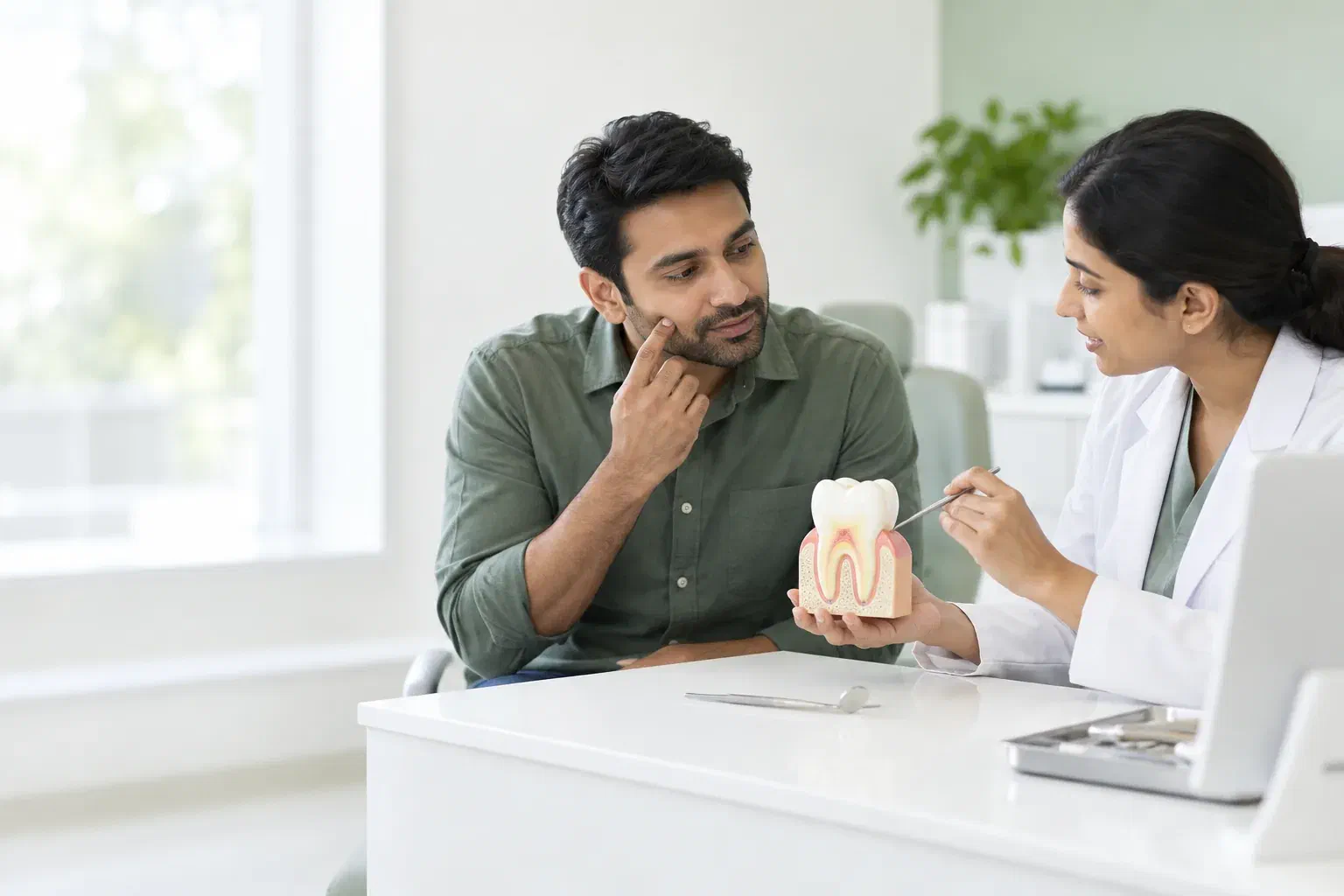
Some molars are treated entirely at one office; others involve an endodontist for the canal stage. From Erin or Hillsburgh, get a clear picture of who does what, and how your restoration fits in.
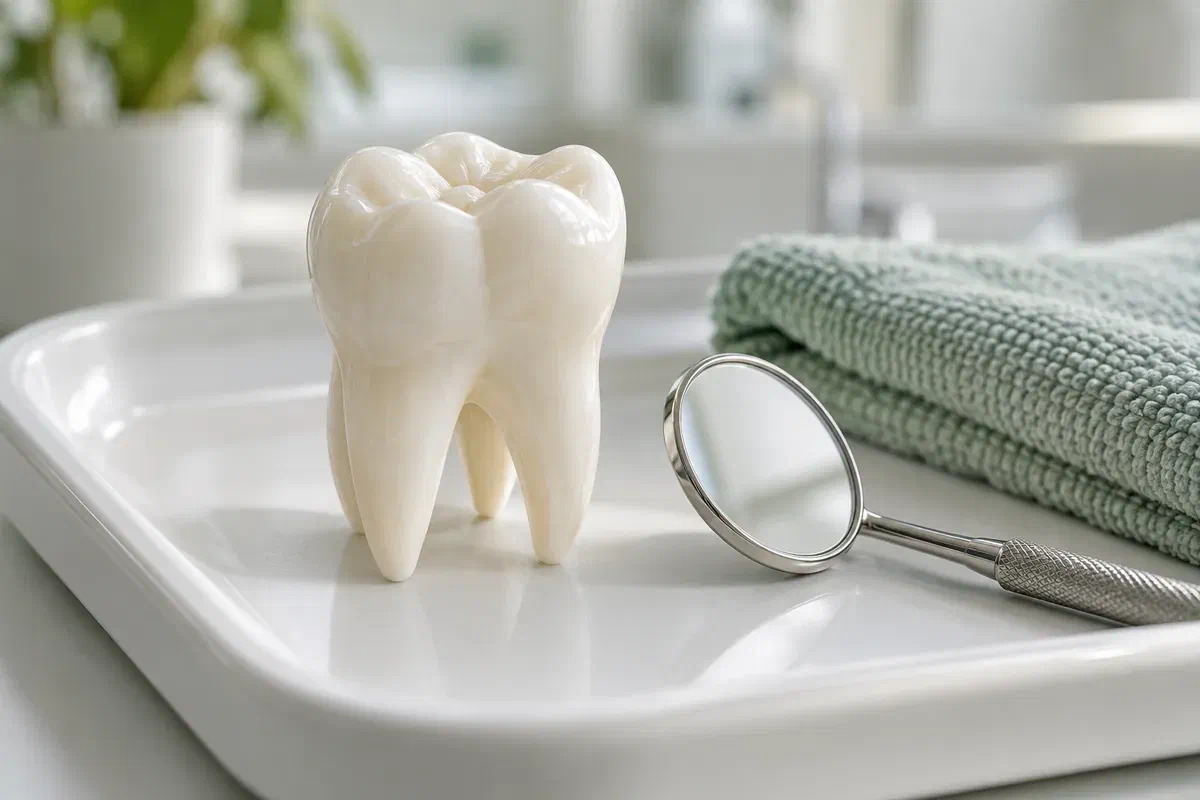
Molars are the most varied teeth when it comes to what lies inside. They can have three, four or more canals, some narrow or curved, and that complexity is one reason a general dentist may suggest an endodontist, a dentist who focuses on treatment inside teeth, for part of the work.
Whoever performs it, root canal treatment is considered when the pulp is infected or irreversibly inflamed and the tooth is worth rebuilding. That means a firm diagnosis that the pulp is the cause, and confidence that enough sound tooth, gum and bone remain for a lasting restoration. A painful tooth alone does not meet that bar.
Households in rural Wellington County, around Erin village and Hillsburgh, often want to know early whether care will involve one office or two. The first appointment can clarify the diagnosis, whether a referral is advised, who places the final restoration and how information will move between clinicians.
One dentist or two, the same information helps: when symptoms began, how they have changed, and past fillings, crowns or injuries on that side. A few written notes save you repeating the story from memory at each office.
Several conditions cause biting pain in a molar, and a cracked cusp can mimic a pulp problem. Note whether pain comes on clenching or release and how temperature affects it. Avoid prodding the tooth; testing is part of the exam.
Mention discomfort that persists after hot or cold food, arrives unprompted or wakes you. These details are recorded and shared if you are referred, so take a moment to describe them clearly.
A gum swelling, a bump that recurs, drainage, an odd taste or damage around a big filling should be examined even with mild pain. A settled week does not reveal what is happening inside the tooth.
Contact the clinic quickly about severe pain or swelling. Swelling that affects breathing or swallowing needs emergency medical care.
A molar that can be treated and rebuilt keeps contributing to your bite, sharing chewing forces with its neighbours. That makes retention a worthwhile aim for many restorable teeth, provided fractures, the amount of remaining tooth and gum support all look favourable. Where they do not, an honest conversation about alternatives is just as important.
Expect a clear explanation of the likely benefit, without a promise about how long the tooth will last. Ask what makes it a reasonable candidate, what could limit its outlook and how the final restoration supports the result. When two offices are involved, make sure both parts of the plan are discussed.
Patient information: AAE — understanding root canal treatment
Before referral, the general dentist considers whether the molar can be restored afterward. Ask to hear what looks hopeful and what is concerning, so the canal work is not done on a tooth that cannot be rebuilt.
Find out who provides each stage, how X-rays and notes will be sent, and who you should call with questions at each point. That clarity makes the sequence easier to plan.
Share anxiety, limited opening or a past difficult visit with each clinician you see. Agree on a signal for a break. Repeating it may feel awkward, but it helps each team plan an approach you can manage.
The number of visits depends on the tooth and on whether a referral is made. Before starting, ask about the diagnosis, scope, fees at each office, alternatives and the restoration plan.
Symptoms are reviewed and the tooth is examined with suitable tests and imaging. Restorability is judged here, along with whether the canal layout, a previous treatment or other findings make an endodontist the right choice.
At whichever office treats the canals, local anaesthetic is given and a dental dam isolates the tooth. Access is made into the pulp chamber. Say if you feel discomfort; pausing is always acceptable.
The canals are located, cleaned, shaped, disinfected and sealed. Magnification is often used for molars. A temporary filling may protect the tooth before it returns for its restoration. Ask what was completed.
The molar is rebuilt with a suitable restoration, often covering the cusps, typically by your general dentist. Confirm timing and interim precautions. Reviews look at healing around the root rather than comfort alone.
Keep the written instructions from each visit. Advice after canal treatment can differ from what you are told once the restoration is placed.
Wait until feeling returns before eating, and chew on the other side until the molar is restored. Ask which foods are suitable. A temporary placed after canal treatment is not designed for hard or sticky foods.
After a specialist visit, book the restoration with your general dentist promptly. Comfort does not mean the tooth is finished. If dates change, call to rearrange rather than leaving the temporary in longer than advised.
Pain that builds, new swelling, teeth that meet unevenly or a missing temporary all deserve a call. Ask in advance which office to phone about which concern, since that can differ before and after a referral, and mention the stage you have reached. Take medication only as advised for you.
Molar treatment may involve more than one decision and more than one clinician. Bring your questions to the first appointment.
Start with an assessment on Bronte Street, where we review the tooth, discuss any referral and lay out the restoration plan. Bring your symptoms, any records from other offices and your questions about keeping the molar.
Please phone for severe pain or swelling. Use email or the online form for non-urgent questions.
