A flatter or dull surface
The filling may have lost its gloss, or chewing on it may feel smoother. Say whether the tooth is comfortable. The surface is assessed alongside the opposing teeth and your bite, not just for how it looks.


A tooth-coloured filling that has dulled, stained or lost its polish can bother you every time you smile. Coming from Caledon, find out whether the change is cosmetic, functional, or both, and what each would call for.
Tooth-coloured fillings are meant to blend in, so it is noticeable when one starts to stand out. A dull surface, a faint line of stain around the edge or a shade that no longer quite matches can catch your eye in photographs or under bathroom lights.
Some of those changes are mainly about appearance. Others signal that the edge has roughened, the surface has worn or the tooth beside the restoration has altered, and those can affect cleaning, comfort or the health of the tooth. The dentist considers both sides: how the filling looks, and how it works with the tooth around it and your bite.
If you are making the trip from Bolton or elsewhere in Caledon, tell us which tooth bothers you and whether it is purely cosmetic or also feels different. Mention any previous advice and bring records if you have them. We will explain what we find and whether polishing, repair, replacement or simply monitoring is reasonable.
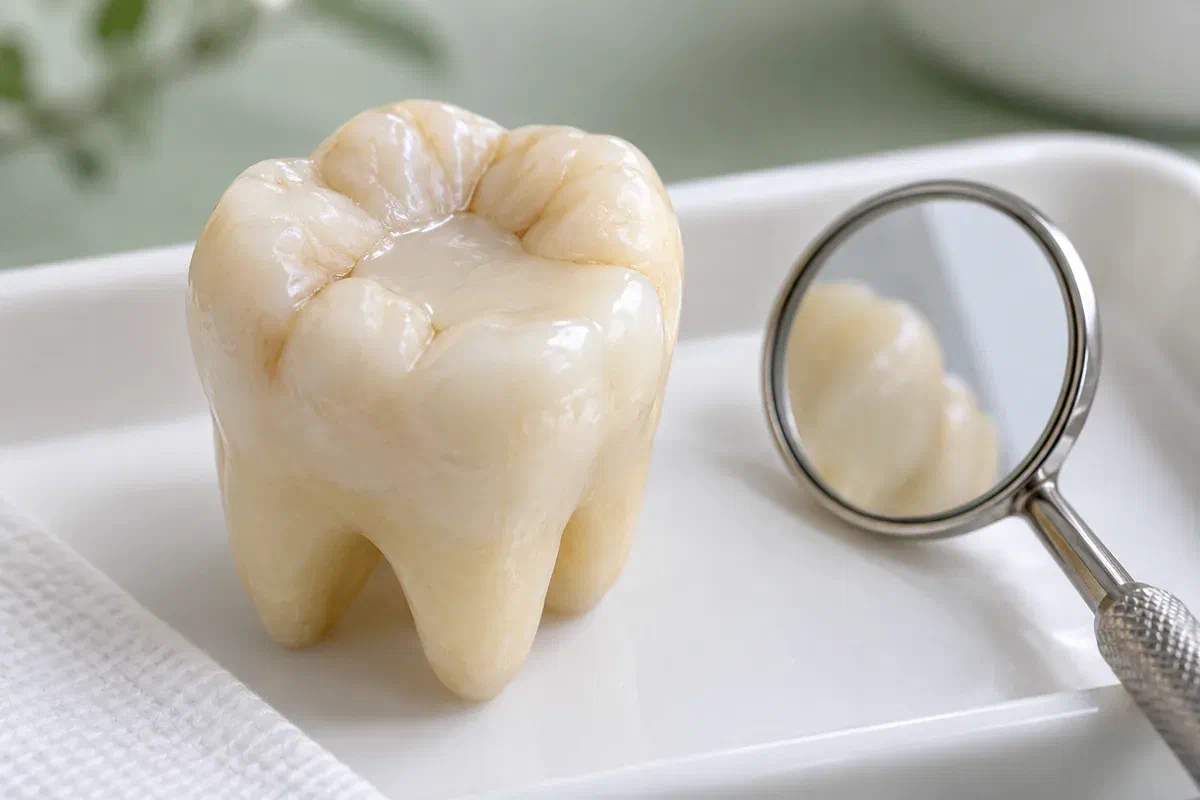
A visible change may be cosmetic only, or it may reflect wear that matters for function. Wider wear elsewhere can also shape the advice.
The filling may have lost its gloss, or chewing on it may feel smoother. Say whether the tooth is comfortable. The surface is assessed alongside the opposing teeth and your bite, not just for how it looks.
A thin dark line or a rough margin can be surface staining, a change at the edge or something in the tooth itself. Floss catching nearby is worth mentioning too. The dentist examines the spot closely to tell them apart.
If several teeth or restorations look worn, clenching, grinding or diet may be contributing. Mention any habits or earlier comments. A broad pattern may change what one new filling can realistically fix.
Fillings do not expire on a fixed schedule. Their condition today, the tooth surrounding them and how they function are more useful guides than age or colour alone.
Where a filling has a functional problem, treatment aims to restore a sound surface and a cleanable edge, with the cause of the wear in mind. Where the concern is mainly appearance, the conversation is different and may include polishing or a smaller repair. Ask which category your filling falls into.
Material, shade and shape should suit both the demands on the tooth and how visible it is. If wear is widespread, one replacement may only be part of the plan. Knowing this helps you weigh what a change would and would not achieve.
Patient information: Cleveland Clinic — filling longevity and maintenance
Ask whether the concern is the surface, the margin, staining, the tooth beneath or something else. A restoration should not be replaced for function when the issue is purely cosmetic, or the other way round, without that being explained.
Surface staining or dullness may sometimes be improved without removing the filling. Ask whether the restoration and tooth can stay. The answer depends on the defect and whether the area can be maintained.
Mention habits such as clenching or nail biting that stress front or back teeth. Protection or a wider wear review may be relevant, because new material will face the same forces.
Your appointment may be a review, a polish, a repair or the first stage of a larger plan. It helps to ask what the dentist will check and what may be offered.
The dentist checks the filling’s surfaces and edges, the surrounding tooth and how your teeth meet, while also noting colour and finish. Symptoms and records are reviewed, with imaging if it adds useful detail.
You will hear whether monitoring, polishing, repair or replacement fits the finding. Ask about shade matching, materials, fees and any broader wear review. If watching is advised, agree on what to look for.
If you proceed, comfort and isolation measures are used as needed. The amount of old material removed depends on its condition and the tooth beneath. The new or refined surface is shaped and finished to suit the tooth.
The result is reviewed against the teeth around it and opposite it, and its appearance is checked in natural light. Ask about cleaning and any follow-up, and whether other advice about wear still applies.
Follow the specific instructions for your treatment. There is no need to bite hard objects to check whether the repair is strong.
Avoid chewing while numb and take care with hot food or drinks. Follow any advice about the material, including any guidance on strongly staining food or drink for the first period.
Call if the tooth meets first, chewing feels uncomfortable, or an edge catches your tongue or floss after things settle. Describe a normal bite rather than clenching repeatedly. A review can check the result.
Keep brushing and flossing and attend reviews, where the filling’s surface can be checked. If protection for grinding was discussed, ask how it fits your routine, and mention any appliance problems.
A good review should make clear whether the change is cosmetic, functional or both, and why a particular option is suggested.
Book an appointment at our Bronte Street practice and point out the filling that no longer blends in. We will weigh its looks and its function, then talk you through monitoring, polishing, repair or replacement.
Call the clinic if the tooth hurts or the filling breaks. Online requests are for non-urgent appointments.
