

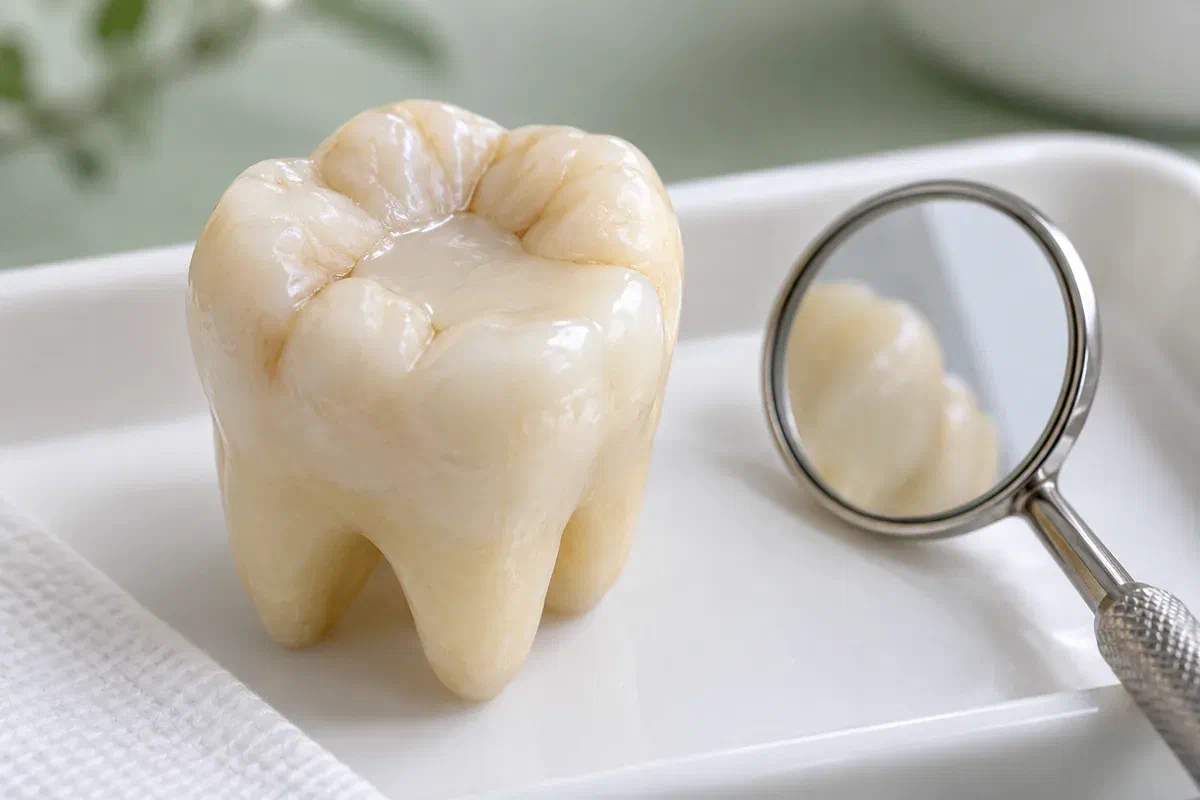
Illustrative routine consultation about changes to an older filling
Restorative Dentistry

Replacement of Worn Fillings in Campbellville

A twinge with cold water near an old filling deserves a proper look. For households around Campbellville, we check whether filling wear is involved and help plan any care around your schedule.

A twinge near an older filling

Sensitivity, wear, or something else?

It often begins with a glass of cold water or a spoonful of ice cream. A brief zing from a tooth you had filled years ago makes you wonder whether the filling is wearing out. It might be, but sensitivity has plenty of other possible sources too.

As restorations age, their surfaces can wear, their shape can change and the junction with the tooth can lose some of its tight fit. Gum recession, exposed root surface, a crack, decay beside the filling or a heavy bite can also cause discomfort in the same area. Sorting these apart takes a look at the filling, the tooth around it and how your teeth come together.

Rural households in and around Campbellville often like to group appointments, so mention the sensitivity when booking a regular visit, unless it is severe or getting worse. Note what triggers it and how long it lasts. We will explain what we find and whether watching, repairing or replacing the filling, or another approach, makes sense.

Have a sensitive filled tooth checked
Illustrative molar teaching model with a gently worn tooth-coloured restoration
Details that help

Describe the twinge, the trigger and the tooth.

Sensitivity near a filling can be local or part of a wider change. Clear detail lets the examination focus on the most likely explanations.

A smoother, changed surface

Along with sensitivity, you may notice that the tooth feels flatter or chews differently. Mention whether it is comfortable apart from the twinge. The dentist assesses the surface together with the opposing teeth and your bite.

Catching, trapping or a gap

Food packing beside the filling or floss that catches may suggest a changed edge or contact. Combined with sensitivity, it is worth reporting. There are several possible causes, so note where it happens.

Sensitivity across several teeth

When more than one tooth reacts to cold, wider wear, grinding, gum changes or diet may be involved. Share any earlier advice. That broader picture can change whether a single filling is really the issue.

Fillings are not replaced on a fixed timeline. Their present condition, the tooth around them and how they function matter more than how many years they have been there.

Finding the real cause

Treatment that addresses why it hurts

If the filling turns out to be part of the problem, treatment aims to restore a sound surface and a sealed, cleanable margin, while still accounting for the cause of the wear. That may be a limited repair or a full replacement. Ask why treatment is preferable to monitoring for this tooth.

Where sensitivity has another source, replacing the filling may not help, and different advice could be more useful. If wear is spread across your teeth, any filling replacement is likely to be one part of a broader plan. Knowing this early keeps expectations realistic.

Patient information: Cleveland Clinic — filling longevity and maintenance

A diagnosis before a drill

Understand whether the concern is the surface, the margin, the tooth beneath, the gum or something else. A filling should not be replaced on the assumption that age explains every symptom.

Keeping sound tooth

When the restoration is not the cause, or only part of it needs attention, monitoring or a localised repair may be suitable. Ask what can stay. The answer depends on the finding and on keeping the area cleanable.

Considering heavy forces

Clenching or grinding can contribute to both wear and sensitivity. Mention any such habits. Protection or a wider wear assessment may be worth discussing, since a new filling faces the same pressure.

Working it out together

Steps from first twinge to a clear answer

The visit may be an assessment, a repair, or one part of a staged plan. Ask what the dentist will test and what might be recommended.

  1. Assess the tooth and the trigger

    The dentist examines the filling’s surfaces and margins, the surrounding tooth, the gum and your bite. Your description of the sensitivity guides the checks, with imaging when it is helpful. Mention pain that lingers or wakes you.

  2. Discuss what is likely causing it

    You will hear whether the filling seems involved and whether monitoring, repair, replacement or other care suits best. Ask about materials and fees. If watching is advised, agree on what to report and when to come back.

  3. Carry out any agreed treatment

    If work goes ahead, comfort measures and isolation are used. How much of the old filling comes out depends on its condition and what lies beneath. The new or repaired surface is shaped to suit the tooth.

  4. Review comfort and bite

    The result is checked against neighbouring and opposing teeth. Ask what sensation to expect afterwards and whether a follow-up is useful. If wider wear was noted, confirm the next step for that.

Afterwards, at home

Let the tooth settle before judging it.

Follow the advice given for your repair. Sensitivity can take a little time to change, and you do not need to test the tooth with very hard food.

Wait until numbness wears off

Avoid chewing on the treated side until you can feel your lip and tongue, and be gentle with hot or cold drinks. Follow any instructions specific to the material or a temporary step.

Track how sensitivity changes

Some temporary sensitivity can occur after treatment. Call if it is severe, keeps getting worse or does not settle as expected, or if the tooth seems to meet first when you bite. Describe ordinary use rather than testing repeatedly.

Keep up with the wider plan

Continue cleaning well and attend advised reviews. If protection for grinding or sensitivity advice was given, ask how it fits your routine. Mention any problem with an existing appliance.

Options to consider

A sensitive tooth does not automatically mean a new filling.

The extent of treatment should follow the cause. It may differ even between restorations next to each other.

When the filling is sound enough to watch

Monitor and manage sensitivity

A restoration that still works and can be kept clean may be monitored, sometimes with advice for the sensitivity itself. Agree on what to report. Monitoring reflects current condition and is not a promise of no future care.

When a limited fix suits

Repair a defined area

A local surface or margin problem may be addressed without replacing the whole filling. The dentist can explain whether this fits your tooth and what it may not change. Ask how it will be reviewed.

When the existing filling is part of the problem

Replace or rethink the restoration

If wear or related damage is significant, a new filling or a different restoration may be appropriate. Discuss the remaining tooth and its demands. Extensive damage may call for more than another direct filling.

Questions from Campbellville

Cold sensitivity and older fillings

You should leave with a clear sense of what is causing the sensitivity and why a particular next step is suggested.

(905) 876-4488
Can a worn filling make a tooth sensitive to cold?
It can in some cases, for example if the edge has changed. Sensitivity also has many other causes, including gum recession and cracks. The dentist examines the area to find the most likely explanation.
Will a new filling get rid of my sensitivity?
Only if the old filling was the cause, and even then some temporary sensitivity can follow treatment. The dentist will explain what is expected for your tooth. Treating the wrong cause may not help.
Should I use sensitivity toothpaste before my appointment?
Sensitivity toothpastes can help some people, but they may mask symptoms. Mention any products you use so the dentist can interpret what you describe. Do not let it delay a review if the twinge is new or worsening.
Is lingering pain after cold different from a quick twinge?
Pain that lingers, throbs or wakes you can point to a different problem from brief sensitivity. Describe the pattern carefully and call promptly if pain is severe or getting worse.
Can sensitivity come from the tooth next to the filling?
Yes. It can be hard to pinpoint which tooth is reacting. The dentist may test nearby teeth as well as the filled one to narrow down the source before recommending treatment.
Can I combine a filling review with other family appointments?
Often, yes. Many rural households prefer to group visits. Mention this when you book. If the tooth becomes painful in the meantime, call rather than waiting for the grouped appointment.
Campbellville filling reviews

Get to the bottom of that cold twinge.

Arrange a visit at our Bronte Street practice and describe exactly when the tooth reacts. Once we know whether the filling is involved, we can explain if watching it, repairing it, replacing it or treating another cause makes sense.

Phone the clinic for pain that lingers or a broken filling. Online requests are for non-urgent appointments.

Visit Milton Dental Clinic
Unit 1, 342 Bronte St. S, Milton, ON L9T 5B7
Get directions Clinic hours
Monday–Thursday
11am–7pm
Friday–Sunday
By appointment only

Areas we serve

  • Milton
  • Oakville
  • Mississauga
  • Georgetown
  • Halton Hills
  • Acton
  • Campbellville
  • Brampton
  • Burlington
  • Puslinch
  • Rockwood
  • Erin
  • Caledon
  • Etobicoke
  • Old Milton
  • Bronte Meadows
  • Timberlea
  • Dorset Park
  • Dempsey
  • Clarke
  • Beaty
  • Coates
  • Harrison
  • Scott
  • Willmott
  • Ford
  • Bowes
  • Cobden
  • Walker
  • Mountain View
  • Milton Heights
  • Hawthorne Village
  • Valley View
  • Fallingbrook
  • Nassagaweya
  • Trafalgar
  • Esquesing
  • Nelson
  • Brookville
  • Moffat
  • Glen Williams
  • Norval
  • Limehouse
  • Stewarttown
  • Ashgrove
  • Hornby
  • Silver Creek
  • Speyside
  • Scotch Block
  • North Oakville
  • River Oaks
  • Glen Abbey
  • West Oak Trails
  • Palermo
  • Bronte Creek
  • College Park
  • Joshua Creek
  • Uptown Core
  • Preserve
  • Iroquois Ridge
  • Lisgar
  • Meadowvale
  • Meadowvale Village
  • Churchill Meadows
  • Erin Mills
  • Central Erin Mills
  • Streetsville
  • East Credit
  • Creditview
  • Heartland
  • Sheridan
  • Mount Pleasant
  • Credit Valley
  • Huttonville
  • Churchville
  • Springbrook
  • Northwest Brampton
  • Bram West
  • Fletcher's Meadow
  • Fletcher's Creek South
  • Alton Village
  • Orchard
  • Millcroft
  • Headon Forest
  • Tansley
  • Brant Hills
  • Tyandaga
  • Kilbride
  • Lowville
  • Aberfoyle
  • Morriston
  • Arkell
  • Hillsburgh
  • Freelton
  • Carlisle
  • Waterdown
  • Flamborough
  • Mountsberg

How can we help?

Milton Dental Clinic

Have a question about your smile? Choose the option that works best for you.

For urgent dental concerns, please call.
Messages are reviewed during clinic hours.