

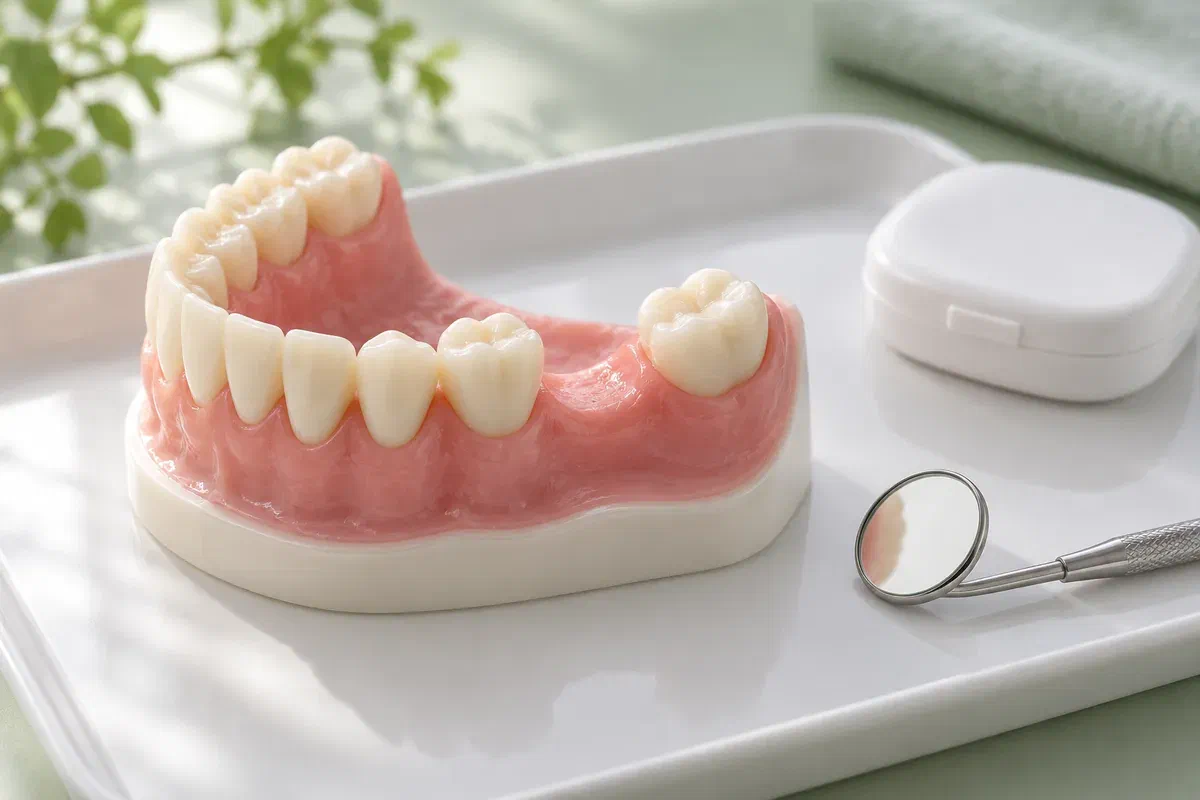
Illustrative consultation about the jaw ridge and a future tooth replacement
Restorative Dentistry

Ridge Augmentation

The foundation beneath a missing tooth matters. Discuss ridge augmentation in Milton as part of a considered replacement plan, including the purpose, possible stages, and alternatives.

A closer look at ridge augmentation

Plan the foundation with the future tooth in mind.

The ridge is the part of the jaw that supports the teeth and remains after a tooth is lost. Its shape and available bone can affect how a replacement is planned. Ridge augmentation describes treatment intended to build up a deficient area when that is appropriate for the restorative goal.

The reason for augmentation should be specific. It may be considered to provide suitable bone for an implant position or to address a contour problem within a broader treatment plan. The appearance of a gap alone does not establish how much bone is present or whether an augmentation procedure is needed.

At Milton Dental Clinic, the discussion begins with the tooth replacement you are considering and the findings at the site. We can explain what further assessment is required, whether specialist planning is appropriate, and how any proposed ridge treatment would fit with the final restoration.

Discuss your tooth replacement foundation
Illustrative jaw model showing a smooth gum ridge in a missing-tooth space
Why the ridge is assessed

The visible space is only part of the picture.

The assessment considers the shape of the ridge, surrounding structures, and intended replacement. Ask which finding makes augmentation relevant to your plan.

A narrow or reduced area of bone

A missing-tooth site may not have the dimensions needed for the proposed implant position. The dentist or surgeon considers the available bone and nearby anatomy. Imaging may be needed to answer questions that cannot be resolved by looking at the gum alone.

A contour that affects the restoration

An indentation in the ridge can influence the shape of replacement teeth and the tissue around them. Describe what you notice when smiling or wearing an appliance. The appropriate response depends on whether the concern involves bone, soft tissue, restoration design, or a combination.

Planning after an earlier loss or procedure

Bring details of previous extractions, grafting, implant treatment, or trauma in the area. The history can help explain the current site and guide further assessment. A past procedure does not by itself confirm that the ridge is ready for the proposed next stage.

Ridge augmentation is not required for every missing tooth or every implant. The need should be established in relation to a specific replacement plan.

Understanding the proposed purpose

A change to the ridge should serve the restoration.

When indicated, augmentation aims to improve the conditions at the site for planned treatment. The useful question is what the procedure would make possible or improve in your case. Ask how the expected change relates to implant positioning, restoration shape, or another defined objective.

There are limits and additional commitments. Augmentation can involve surgery, healing time, review appointments, and the possibility that further care is needed. A clear discussion should include those considerations alongside the hoped-for benefit, without guaranteeing a particular amount of new bone or a future implant outcome.

Patient information: AAP — ridge modification for implant planning

A restorative goal you can picture

Ask the clinician to show where the replacement tooth is intended to sit and why the present site is a concern. Connecting the ridge assessment to that final position makes the recommendation easier to understand.

A planned sequence

The grafting and implant stages may be combined in selected cases or separated by healing. Ask which sequence is proposed and why. Understanding the reason for an interval helps with planning work, travel, and interim teeth.

A discussion of suitable materials

Graft and membrane choices depend on the procedure and site. Tell the clinician about preferences concerning material sources before treatment. You should know what is proposed and whether reasonable alternatives would change the plan.

Your ridge treatment pathway

Assessment, preparation, healing, and reassessment.

The exact procedure and timing depend on the defect and proposed restoration. Ask who will perform each stage and where your follow-up will take place.

  1. Assess the site and the intended replacement

    The clinician reviews the missing-tooth area, relevant imaging, oral health, and medical history. Mention smoking, medications, previous grafting, and any problems healing after dental care. Discuss what the replacement is intended to achieve.

  2. Explain the proposed augmentation

    Review the technique, material sources, expected recovery, fees, and alternatives. Ask whether treatment involves a separate donor site or a membrane and whether additional removal visits could be needed. Confirm the plan for a temporary tooth or appliance.

  3. Carry out the agreed procedure

    If treatment proceeds, the surgical site is managed using the planned comfort arrangements and technique. The clinician provides specific instructions for protecting it. The extent of surgery and recovery requirements vary, so follow the advice given for your own procedure.

  4. Review healing before the next stage

    Follow-up checks the area and determines when further assessment or treatment is appropriate. A comfortable gum surface does not by itself establish that the underlying site is ready. Confirm the criteria and anticipated sequence for proceeding to the restoration.

Protecting the healing area

Give the site the conditions your clinician has planned.

Keep your written postoperative instructions and contact details. Ask about any activity, cleaning step, or appliance that could place pressure on the treated ridge.

Use temporary teeth only as advised

An existing removable appliance may need adjustment or a period out of use. Do not assume it can rest over the surgical site unchanged. Discuss appearance and eating concerns in advance so the interim arrangement is clear.

Follow the cleaning and eating instructions

The clinician will explain how to care for the area while it heals and how to clean the rest of your mouth. Avoid poking the site or pulling the lip repeatedly to inspect it. Check before changing the recommended routine.

Keep planned reviews and report changes

Attend follow-up even when the area feels comfortable. Contact the treating team about worsening pain, unexpected bleeding, discharge, or an opening in the wound. They can assess whether the change fits the expected healing course.

Patient information: Cambridge University Hospitals — bone grafting for implants

Choosing a foundation strategy

Compare the complete pathways, including the alternatives.

Ask what is clinically reasonable for your anatomy and goals. The decision should include the restoration as well as any procedure proposed beforehand.

When the site needs preparation first

Augmentation as a separate stage

A staged approach may allow the ridge to heal before implant placement is reconsidered. Discuss the anticipated review points and what happens if the result is insufficient. The interval and next step depend on the procedure and healing.

When the clinical conditions permit

A combined procedure

Selected cases may allow augmentation with implant placement. This is not suitable for every defect or site. Ask which findings support the combined approach and how it affects the temporary restoration and aftercare.

When augmentation is not chosen

A different replacement plan

A bridge, removable appliance, or another suitable strategy may be considered. Some cases may have different implant-planning options, but these also need assessment. Compare their limitations and maintenance rather than assuming grafting is the only route.

Ridge augmentation questions

Understand the purpose before committing to the procedure.

You can ask for the proposed site, materials, and sequence to be explained with a model or image. Bring questions about the recovery period as well as the final teeth.

(905) 876-4488
Is ridge augmentation the same as preserving a fresh extraction socket?
They are related but describe different treatment situations. Socket preservation is considered around an extraction to help manage the site, while ridge augmentation addresses a ridge deficiency within a replacement plan. Ask which procedure is proposed and what problem it is intended to address.
Does a sunken-looking gum area always need a bone graft?
No. A visible contour change needs assessment of the bone, soft tissue, and proposed restoration. Different approaches may address different parts of the concern. Ask what the examination shows and whether the recommendation is mainly about implant support, appearance, or another treatment requirement.
Where can ridge augmentation graft material come from?
Depending on the procedure, materials may come from your own bone, processed human or animal sources, or synthetic alternatives. Membranes may also have different sources. Ask exactly what is proposed and raise any preferences or concerns before the surgical appointment.
Can I wear my current denture while the ridge heals?
That depends on the appliance and the treated site. It may need adjustment, temporary discontinuation, or another arrangement to avoid pressure. Bring it to planning appointments and ask for specific instructions. Do not decide only by whether you can physically insert it.
How will the clinician decide the ridge is ready for an implant?
Readiness is assessed from the procedure performed, healing, examination, and any appropriate imaging. The gum feeling comfortable is only one part of that picture. Ask when the site will be reviewed and what findings would change the proposed timing.
Does successful ridge augmentation guarantee successful implant treatment?
No. Augmentation aims to improve a particular site, but later implant and restorative stages have their own requirements and risks. Ask how the complete plan will be reassessed and what alternatives would be considered if the site does not develop as expected.
Ridge augmentation in Milton

Let’s connect the foundation to your replacement plan.

Arrange a consultation at our Bronte Street practice to discuss the ridge at a missing-tooth site. We can review the proposed restoration, explain further assessment, and discuss whether augmentation or another pathway may be appropriate.

For a concern after an existing surgical procedure, follow your treating clinician’s contact instructions or call for advice.

Visit Milton Dental Clinic
Unit 1, 342 Bronte St. S, Milton, ON L9T 5B7
Get directions Clinic hours
Monday–Thursday
11am–7pm
Friday–Sunday
By appointment only

How can we help?

Milton Dental Clinic

Have a question about your smile? Choose the option that works best for you.

For urgent dental concerns, please call.
Messages are reviewed during clinic hours.