Bone that has narrowed
After a long gap, the ridge may no longer be wide or tall enough for an implant where it would ideally go. Nearby anatomy also sets limits. Imaging often settles questions the gum surface cannot answer.


A tooth lost years ago can leave a ridge that has quietly changed shape. For Old Milton households weighing a long-overdue replacement, we explain what building up that ridge might involve and what else could work.
Plenty of people live with a missing tooth for a long time, perhaps with a partial plate, before deciding to replace it more permanently. During those years the jaw ridge at the gap may slim down. Ridge augmentation refers to treatment that adds to that area when the planned replacement calls for it.
A long-standing gap does not automatically mean grafting. The recommendation should point to something concrete, such as too little width for an implant in the chosen spot or a hollow that would spoil the look of a new tooth. How the gum appears tells only part of the story.
Close to Milton’s historic downtown, our Bronte Street practice begins by asking which replacement you are leaning towards and then examining the site. We can explain any further assessment needed, whether a specialist should be involved, and where ridge treatment would fit.
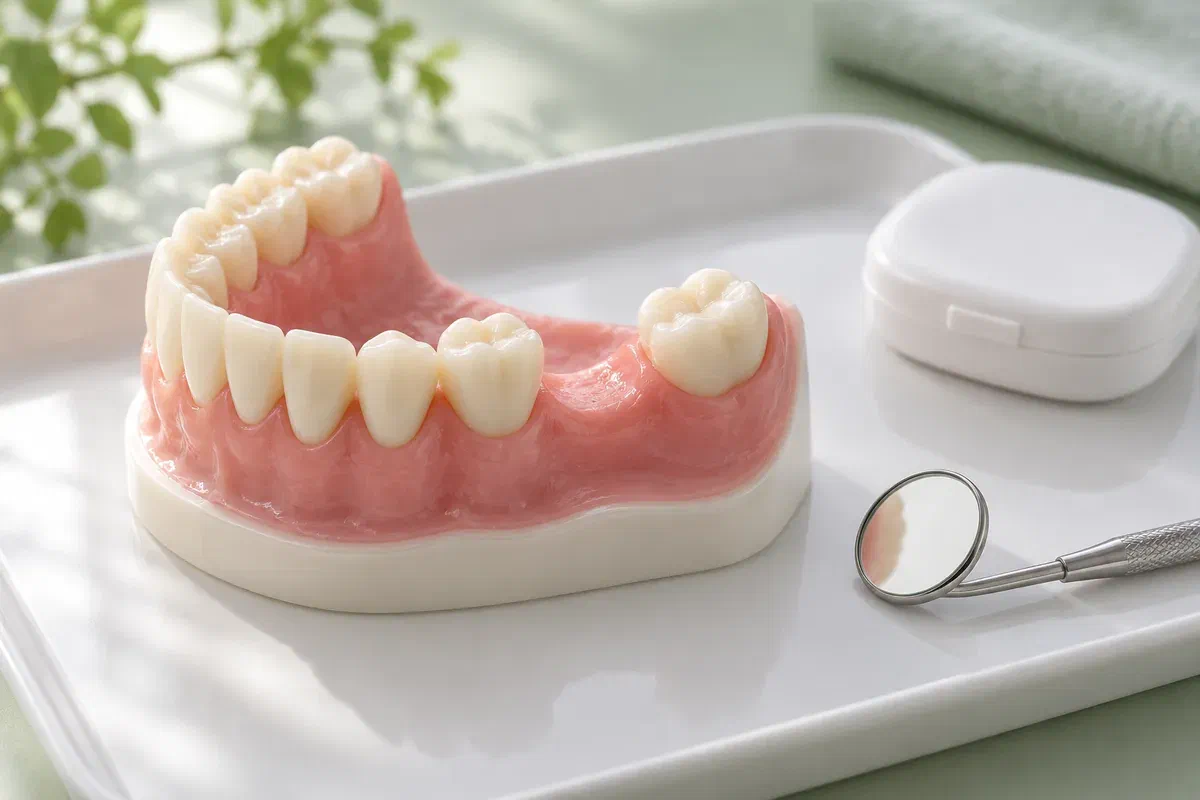
We consider how the ridge has changed, what surrounds it, and the tooth you hope to place. You can ask which finding makes grafting part of the conversation.
After a long gap, the ridge may no longer be wide or tall enough for an implant where it would ideally go. Nearby anatomy also sets limits. Imaging often settles questions the gum surface cannot answer.
Wearing a plate for years can go hand in hand with a dip in the ridge that affects how a new tooth would look. Tell us what you notice at the gumline. The issue may sit in the bone, the gum, the tooth design, or several of these.
If you can, bring what you know about the original extraction, any injury, or earlier grafts and implants nearby. Old notes can explain the current shape. They do not, on their own, show that the area is ready for the next step.
A gap being old does not mean it needs augmentation. That depends on the particular replacement you choose.
When the indication is clear, adding to the ridge is meant to give the next treatment a sounder footing. Try asking what grafting would make possible that the current site cannot offer, whether that is an implant angle, a tooth that looks the right length, or something else specific.
It is also a commitment. There may be surgery, a healing period, several review visits, and sometimes more care than expected. A balanced discussion covers those costs to your time and comfort along with the hoped-for benefit, and nobody can guarantee how much bone will form or how an implant will fare.
Patient information: AAP — ridge modification for implant planning
Ask to see where the replacement would sit and how the present ridge gets in the way. Once you can picture the end result, the reason for an extra step is easier to judge.
Grafting may be done alongside implant placement or months before it. Ask which applies to you and what the waiting period is for. That makes it easier to plan around commitments and your temporary tooth.
Graft and membrane materials vary with the procedure. Mention any preference about their origin before treatment is booked. You should know what is planned and whether a different choice would alter it.
Every defect and restoration is different, so timing varies. Ask who handles each step and where your follow-up visits will be.
The clinician examines the gap, reviews imaging, and goes over your oral and medical health. Mention smoking, medications, earlier grafts, and any past trouble healing. Explain what you want the replacement to do for you.
Expect to hear about technique, materials, recovery, fees and alternatives. Ask whether a second site or a membrane is involved and whether a later removal visit could be needed. Agree on what you will wear in the meantime.
If you proceed, the area is treated using the comfort plan and method already discussed. You receive instructions for protecting it. Surgery and recovery vary, so go by the guidance for your own procedure.
A review looks at the area and decides when the next assessment or treatment can happen. A gum that feels settled does not show the bone is ready. Ask what has to be seen before the restoration goes ahead.
Keep your written instructions and contact numbers close at hand. Check about anything, from exercise to your plate, that might press on the treated ridge.
A plate you have worn for years may need adjusting or a rest while the site heals. Do not assume it can sit over the area as before. Talk through how you will manage eating and appearance before the surgery date.
You will be shown how to care for the treated spot and the rest of your mouth. Avoid tugging your lip or poking at the site to look. Check with the team before changing the routine.
Go to follow-up visits even when all feels well. Call about pain that worsens, fresh bleeding, discharge, or a wound that seems to open. The team can tell whether that is expected.
Patient information: Cambridge University Hospitals — bone grafting for implants
We can use a model or image to show the site and the proposed approach. Bring questions about recovery and about the final tooth.
Book a consultation at our Bronte Street practice to look at the ridge where a tooth has been missing. We will review the replacement you are considering, outline further assessment, and discuss whether augmentation or another option fits.
Already had surgery at the site and noticed a change? Use your treating clinician’s contact instructions or call us for advice.
