Discomfort that has come back
You may feel tenderness on biting, or an ache that is hard to place. Mention whether it is constant or brought on by pressure. Before more canal work is considered, the clinician checks for other likely causes.


Keep the tooth, or let it go? From Georgetown, you can bring that question to us for a careful look at a previously treated tooth, an explanation of what retreatment would involve, and a fair comparison with removal and replacement.
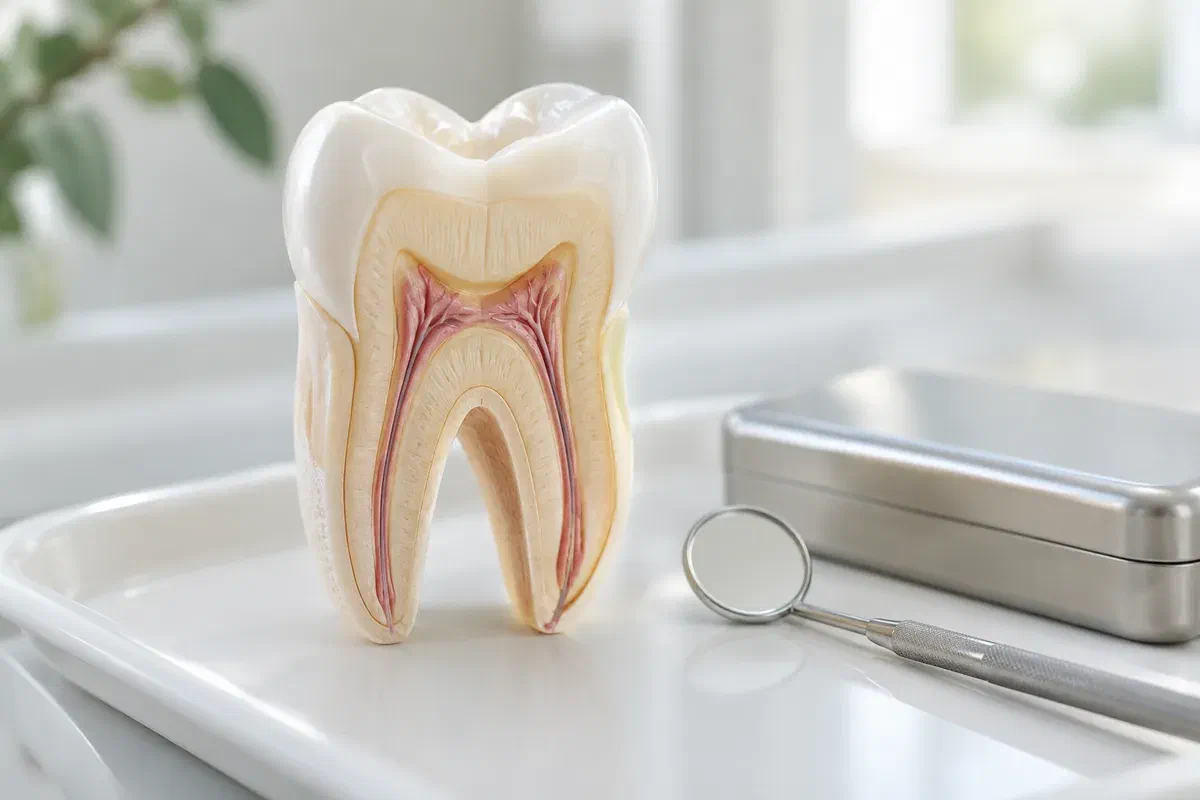
When a tooth that already had a root canal starts causing trouble, the real question is often bigger than which procedure to do. It is whether this particular tooth has a good future. Retreatment, removing the old root filling and cleaning and resealing the canals, is one way of trying to keep it. Removal and replacement is another. Neither is right for every tooth.
Getting to an answer means understanding why the tooth is causing concern. Healing may not have completed; decay or a cracked restoration may have reached the canals; a fracture may be present; or the symptoms may come from somewhere else. The amount of healthy tooth left and the condition of the crown also weigh heavily on whether rebuilding is realistic.
Travelling down from Georgetown, you can expect an unhurried discussion. Bring what you know about the first treatment and any concerns about cost, time or appearance. We will examine the tooth, explain the findings, and set out each realistic option, including when a specialist opinion would sharpen the decision.
Let us know how the problem came up and how it compares with your experience after the first root canal. That account informs the examination without settling the diagnosis.
You may feel tenderness on biting, or an ache that is hard to place. Mention whether it is constant or brought on by pressure. Before more canal work is considered, the clinician checks for other likely causes.
Sometimes the reason is an image, not a symptom. Ask what was seen, how older images compare, and whether monitoring or further assessment is suggested. A painless tooth can still raise a healing question.
New decay, a loose crown, or a fractured filling may affect a treated tooth. Tell us when it happened and if the tooth has been exposed. Decisions about the canals and about the restoration are made together.
Keep any scheduled review even if the tooth quietens down. If pain worsens, swelling appears, or a recurring gum bump shows up, call us so the timing of your visit can be reassessed.
For a tooth that is a good candidate, retreatment can address the problem inside the canals and allow you to keep it. The clinician should be open about why it fits the findings and what might reduce its chance of success. Retaining a natural tooth has real value, but only when there is enough tooth to restore properly.
Ask about the crown or filling, any post, the structure remaining, and the earlier treatment history. Find out what must be removed to reach the canals and what the rebuilt tooth would look like. With all of that in view, comparing retreatment and replacement becomes a balanced decision rather than a guess.
Patient information: AAE — understanding endodontic retreatment
Ask exactly what the retreatment is aimed at and what uncertainties remain. You should understand how it differs from simply replacing the tooth. A sore tooth alone is not enough of a reason to choose either path.
An endodontist can offer a detailed view of whether the tooth is likely to do well after retreatment. Ask what that visit will clarify and how the findings will be shared with the dentist who restores the tooth.
Discuss the final restoration for a retreated tooth and the steps involved in replacement. Ask about appointments and costs for each. A fair comparison looks at the complete path, not just the first procedure.
Appointments vary in number and order. Ask which clinician is in charge of each stage and how the tooth is protected between visits.
Bring any records and describe how the tooth has behaved. Examination and imaging assess the tooth, root and surrounding bone. Further tests or a specialist review may be needed before options can be compared.
The clinician explains whether retreatment suits the tooth, the likely challenges, and the alternatives, including removal. Ask about crown access, estimates for each path, and how new findings during treatment would be handled.
If you decide to proceed, previous filling material is removed as needed, and the canals are cleaned, shaped and sealed once more. The tooth is isolated and numbed for the work. Some cases require additional appointments.
The agreed crown or filling is completed, then follow-up visits check progress. Confirm who will place the restoration. Reviews track symptoms, function and healing over time rather than judging success by the first week.
Ask for guidance based on what was actually done at your appointment. A temporary filling, a final restoration, and an open stage of treatment each need different handling.
Eat only after numbness has worn off, and follow guidance about chewing on that side. Avoid hard or crunchy foods. A loose temporary is a reason to call the treating office rather than waiting for your next appointment.
Report discomfort that is getting worse, a bite that feels uneven, or swelling. Describe when it began and what brings it on. Follow the pain advice you were given, and check before taking medicines that might not suit your health.
Healing checks and restorative appointments may involve different clinicians. Ask when information will pass between them and whom to contact. A completed crown does not mean the root treatment review can be skipped.
Ask for the diagnosis and the order of treatment to be explained before you commit. If you are comparing estimates, look at what each one includes.
Arrange an assessment with our Bronte Street team for a previously treated tooth. Bring your records and priorities, and we will explain the findings, whether a specialist opinion would help, and what each path would mean for the restoration.
If pain is increasing or swelling has appeared, call the clinic rather than waiting on an online booking request.
