Soreness under the base
Point to the area and say whether it hurts straight away or after hours. Note any ulcer, redness or bleeding. We assess the tissue and the part of the denture over it, because a soft lining is not the automatic answer.


A soft lining is not finished the day it goes in. Denture wearers from Erin and Hillsburgh can hear how a cushioning reline is chosen, what the months afterward look like, and how review visits can be planned with care.
Most questions about soft relines focus on the first few days. The more useful question is often what happens three, six or twelve months later. A soft reline places a resilient material on the gum side of a suitable denture, to cushion tender tissue or, in some cases, to manage irritation for a limited time. Like any flexible material, it changes as it is worn and cleaned.
Whether it is worth starting depends on the cause of your discomfort. Pressure spots, looseness, the bite, gradual ridge change and tissue conditions can all produce soreness, and a cushion addresses only some of them. The appliance and your mouth are examined first, so the lining is not placed over a problem it cannot solve.
Bring the denture and tell us where and when it hurts, along with any earlier adjustments, liners or products. If home is in Erin or Hillsburgh, mention how often you can realistically come in. We can then explain whether a soft lining suits you, how long it is expected to stay useful, and how it compares with alternatives.
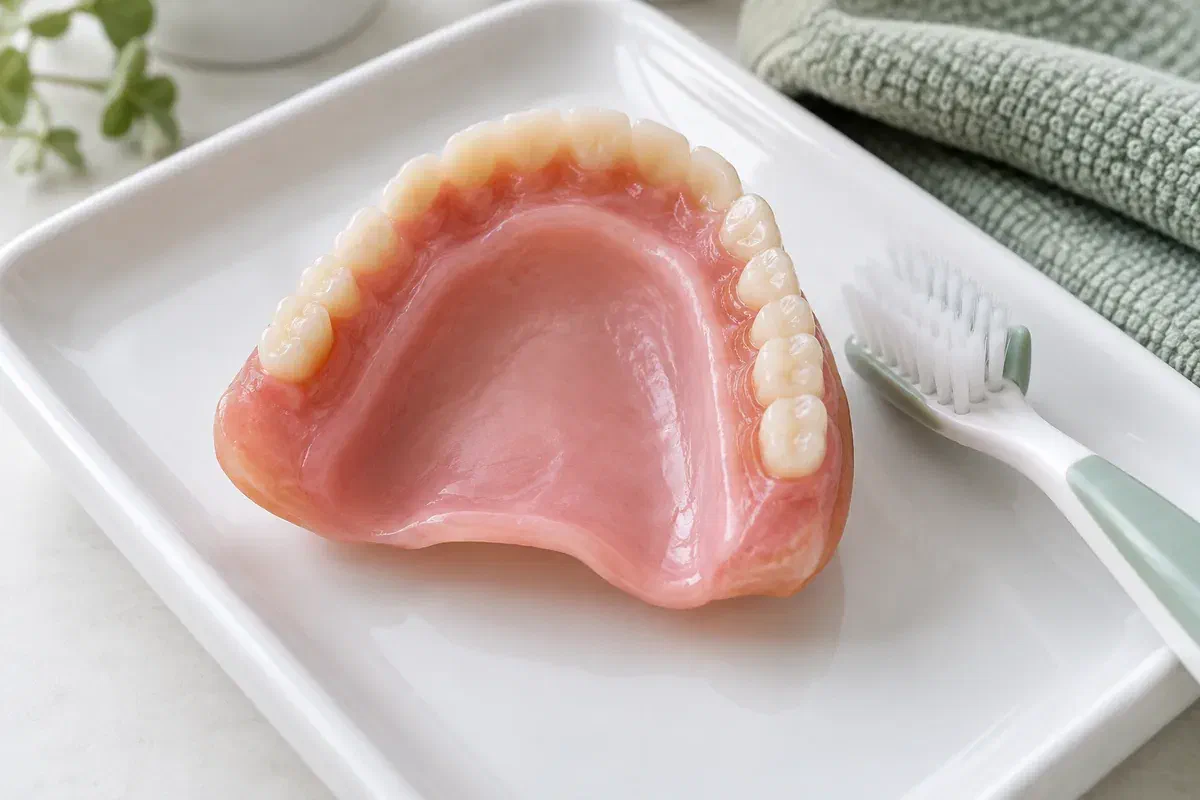
Describe how the denture behaves through an ordinary day and how your mouth feels without it. Do not keep wearing a painful appliance only to show the problem at your visit.
Point to the area and say whether it hurts straight away or after hours. Note any ulcer, redness or bleeding. We assess the tissue and the part of the denture over it, because a soft lining is not the automatic answer.
A denture that now rocks, lifts or needs more adhesive suggests the support has shifted. Ridges change over time. Support, adaptation and the bite are reviewed before any reline type is chosen.
Hardening, separation, roughness or a lingering smell are signs that a soft liner may be past its useful life. Bring it in and describe cleaning and storage. Its purpose should be reassessed along with its condition.
A recurring sore area needs an exam rather than repeated relining. Contact us if any ulcer or unexplained tissue change in your mouth is not healing.
On a suitable denture over appropriate tissue, a resilient lining changes how pressure reaches sensitive areas. Ask which symptom it is meant to ease. A reasonable expectation is more comfortable wear in daily life, not the end of every pressure point or every bit of movement.
Over time, a soft material may stiffen, roughen, stain or begin to separate, and the rate depends on the material, its purpose and your care routine. Ask whether yours is short-term or longer lasting, how often it should be checked, what warning signs to look for between visits, and what would lead to a different recommendation.
Patient information: ACP — assessment before relining or replacing dentures
Whether the aim is cushioning, temporary tissue care or something else affects the material and how often it is checked. Knowing it helps you judge at each review whether the lining is still doing its job.
Where the teeth, design and condition of the appliance remain suitable, relining may keep it in use for longer. Ask what it maintains and what it leaves unchanged. Only the tissue-facing surface is renewed.
Ask which brush, cleanser and overnight storage are right for the material. Gentle, consistent care can help it last as intended. Show us any difficulty handling the denture so the steps can be made easier.
Not everyone needs every visit listed here, and the order can shift depending on which material is chosen. It is worth finding out early whether your lining can be placed in the chair or will spend time at a laboratory, so you can plan meals and travel around it.
We look at the tender tissue, retention, the ridge, the bite and the denture as a whole. Tell us your daily wearing time and products. Tissue treatment or adjustment may come before relining.
We discuss suitability, whether the lining is temporary or ongoing, how long it may last, care requirements, estimated costs and other reasonable options, including how an existing liner will be handled.
The base is readied and the chosen material or impression step is completed, chairside or with a laboratory. You hear beforehand how long the visit takes and whether you will be without the denture.
Fit, borders, bite and comfort are checked and care instructions given. An early follow-up looks at tissue response, and later reviews track how the material is ageing and whether it still serves its purpose.
Keep the written instructions for your specific liner. Advice for a hard acrylic denture may not apply to the softer surface.
Ask which products suit the material and how long it may soak. Certain cleaners and long soaks can shorten a soft lining’s life. Avoid hot water and abrasive products.
Clean gently as instructed and avoid picking at the junction between liner and base. If an edge lifts or roughens, arrange a visit. Do not cut, glue or add a home lining product over it.
Jot down any lasting pressure, new sores, odour, peeling, staining or a change in firmness, with dates. Bring the notes to your review. They help the clinician judge both the lining and your tissues over time.
Patient information: Royal Cornwall Hospitals — care of dentures with a soft lining
Keep a note of the material placed and when. Bring that information if you see another provider.
At our Bronte Street practice we can assess your comfort, the fit of your denture and the tissues beneath it, then explain whether a soft lining suits you and what reviews it will need over time.
Mention any non-healing sore, bleeding, or difficulty wearing the denture when you call so the team can plan a suitable first appointment.
