Molars that feel tender by evening
Back teeth may feel bruised after a day of bracing. The dentist checks for flattened areas, cracks, and how teeth meet, and considers age, previous dental work, and other causes before interpreting the findings.


Stacking firewood, hauling feed, or pushing through a heavy lift, your jaw locks tight without you noticing. From Campbellville, we look at what effort-related clenching and night grinding may be doing to your teeth, and what protection or repair would help.
Physical strain tends to bring the jaw along with it. Lifting, gripping tools, or a hard workout can all trigger a reflex clench that you only notice when your teeth ache afterward. Combined with any grinding during sleep, that pattern falls under the broad heading of bruxism. Over months and years it may wear enamel, stress fillings, and contribute to cracks. Still, the wear alone cannot reveal when the clenching happens or whether it explains everything.
Other influences deserve a look as well. Sports drinks and acidic snacks can soften enamel, older fillings weaken in their own time, and a single hard bite on something unexpected can split a tooth. A sore jaw or a sensitive molar gets its own assessment so the explanation is accurate.
Campbellville is northwest of our Milton clinic, and rural households often prefer to deal with several questions in one visit. We examine the wear, ask about the work and activities that make you clench, and look at any appliance you already use. Then we explain what to protect, what to watch, and what may need repair, with no promise that a guard will stop the habit.
A single sore evening may mean nothing. Repeated patterns are worth describing. Bring any guard you have and mention what you notice, even if you are not certain it is clenching.
Back teeth may feel bruised after a day of bracing. The dentist checks for flattened areas, cracks, and how teeth meet, and considers age, previous dental work, and other causes before interpreting the findings.
Brief pain when you release pressure, or a filling that keeps failing, can point to a crack or a stressed restoration. Note when it happens. Tooth structure, restoration design, and the forces involved shape what should come next.
Muscle tiredness after effort may reflect clenching, though posture and joint problems can feel similar. Mention locking, limited opening, or pain that persists so the right kind of assessment is arranged.
A tooth that suddenly hurts, visibly cracks, or feels loose needs prompt attention. Being used to aches after hard work does not make a new, sharp pain normal.
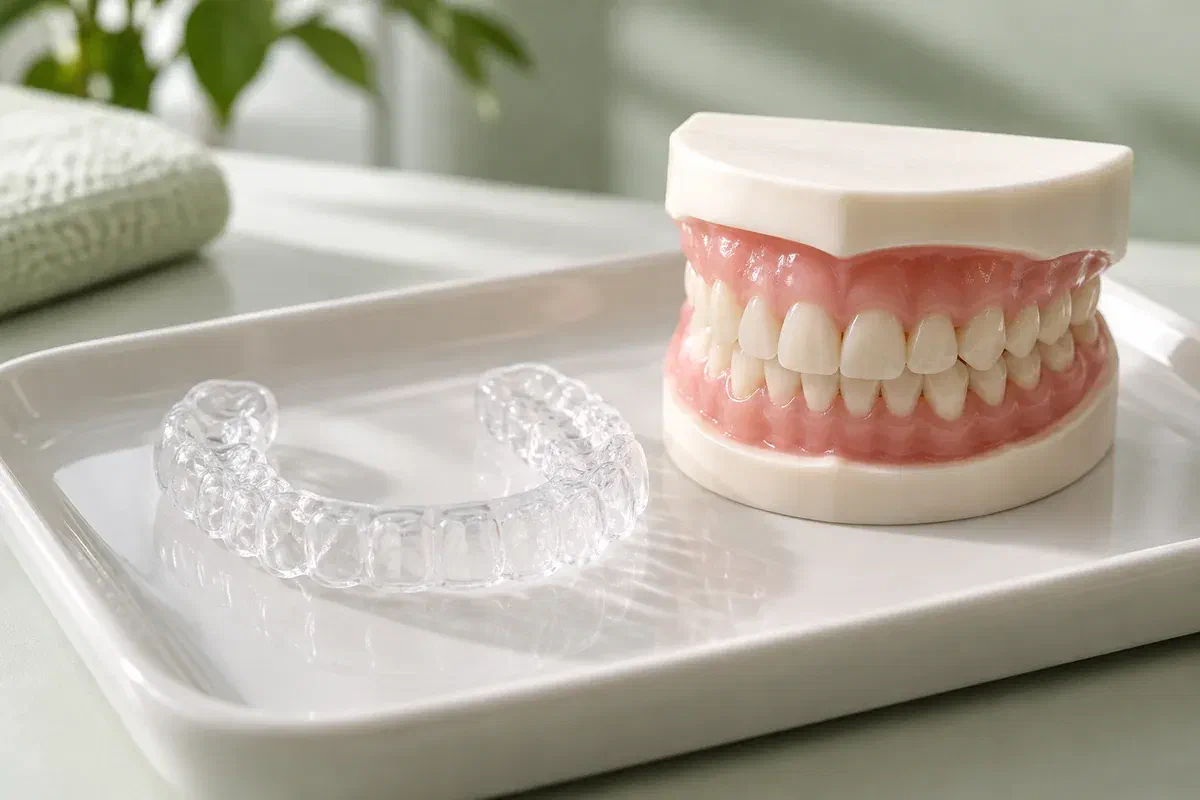
For night grinding, a protective appliance may be recommended to keep teeth from grinding directly together. That can reduce further wear and the risk of chips. It cannot regrow enamel, and it is not a cure. For clenching during work or exercise, the discussion centres on awareness, and sometimes on whether a different type of guard makes sense for a particular activity.
Where sleep is poor, snoring is heavy, or tiredness persists despite rest, a physician’s input may be suggested. The plan follows your findings and routine. Effort-related clenching is not assumed to be about stress, and not every worn tooth gets the same device.
Patient information: National Institute of Dental and Craniofacial Research — bruxism
Notes and images of your teeth and fillings give a baseline for later comparison. Ask which areas will be followed, especially if cracks are small or wear is mild.
If a tooth needs restoring, ask how it will cope with continued clenching. The forces around a filling deserve as much thought as the material.
Your priority may be comfortable chewing, a tooth that stops twinging, or simply knowing whether anything needs doing. Saying so keeps the plan practical and avoids unnecessary rebuilding.
No preparation is needed. A rough idea of the jobs that set off clenching, what has chipped, and whether your nights are restful will help, along with an appliance if you have one.
We ask about the tasks or activities that make you clench, whether anyone hears grinding at night, and when teeth or jaw ache. Medicines and health history are reviewed. If you suspect a prescription is involved, continue it and speak with the prescriber.
The dentist examines worn surfaces, existing restorations, possible cracks, and how teeth meet, and may assess jaw movement. Imaging or additional tests are used when they help answer a specific question.
Options may include monitoring, habit awareness, a night appliance, or restoring a damaged tooth. Ask what each is meant to do, the materials and fees involved, and when it will be reviewed. Where possible, steps can be grouped to save trips.
An appliance is fitted and explained, and repairs have their own review. Bring the guard to later visits. Ongoing symptoms or new cracks may mean the plan needs adjusting.
What happens between visits matters. A guard that fits, small changes during heavy tasks, and a quick call when something changes all help protect your teeth.
Wear and clean it as instructed for its material, and keep it in its case out of hot trucks and sunlight. Bring it to appointments. Report pressure, cracks, or a change in bite rather than adjusting it yourself.
Before a heavy lift or a long task, try to let your jaw relax and your teeth part. Ask for strategies suited to your symptoms and activities. Avoid testing the habit by grinding deliberately.
Note new chips, a tooth that twinges on biting, or jaw soreness that shifts. Be honest about how often the guard is worn. That helps the team tell whether the fit or the broader plan needs a rethink.
Patient information: NIH News in Health — grinding and clenching
Questions about effort-related clenching, cracked teeth, and guards overlap. A helpful answer separates the condition of your teeth, the source of symptoms, and what an appliance would do.
Patient information: NIDCR — jaw disorders and treatment considerations · American Dental Association — obstructive sleep apnea
Arrange a visit at our Bronte Street clinic for tender molars, chipped fillings, or clenching during heavy work. If you own a guard, pack it along. Together we can weigh protection, monitoring, and repair, and group steps where that makes sense.
Call promptly about a painful crack, facial swelling, or a jaw that locks. Online requests are for routine, non-urgent visits.
