

Illustrative patient and clinician discussing gentle brushing with a dental teaching model
Specialized Care

Bleeding Gums Treatment in Acton

If an earlier cleaning was uncomfortable, bleeding gums can feel like a reason to stay away. We plan the visit with you, explain each step before it happens and focus on understanding the bleeding so care can move at a pace you manage.

For anyone in Acton dreading the chair

Nervous about tender gums? Let’s plan around that.

A sore, bleeding cleaning years ago can make anyone reluctant to book again, especially once their gums start bleeding at home. Avoidance tends to feed the problem. A visit that starts with talking, not instruments, lets you understand what is happening before deciding on any treatment.

In many mouths, bleeding traces back to plaque inflaming the gum margin. Your clinician will look wider too: cleaning habits, a tooth that collects food, an older restoration, medical conditions and medicines. Experimenting with rinses to avoid an appointment usually just delays an explanation that could make things easier.

When you call, tell us what worries you about the visit as well as where the gums bleed and for how long. You can ask us to pause, explain or slow down at any point. We will share what we find and talk through care and follow-up that feel manageable to you.

Talk to us about a gentle visit
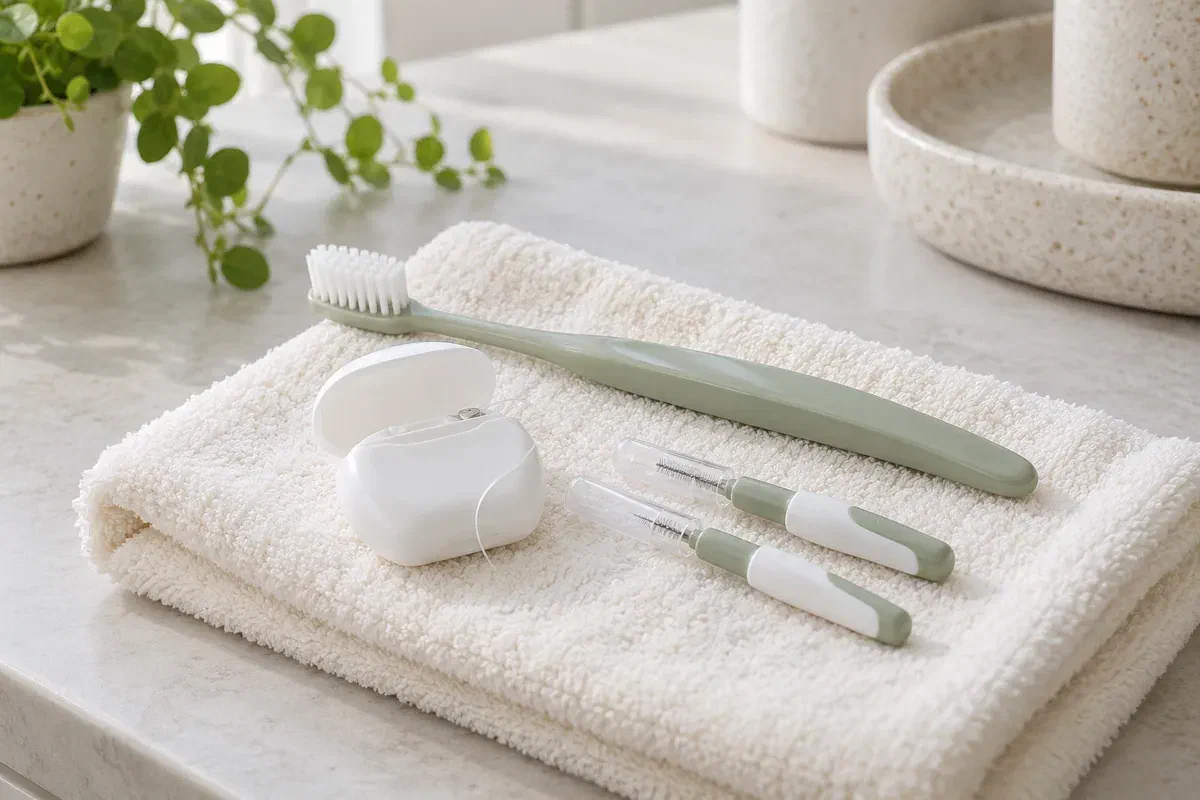
Illustrative soft toothbrush, interdental brushes, and floss container on a clean ivory towel
Things worth sharing first

Your worries and your symptoms both matter here.

Mention bleeding even when it is painless, and mention fears about the visit even when they seem small. Say whether it is one area or several and whether anything has changed recently.

Bleeding with brushing or between-teeth cleaning

Describe which tool causes it and which places are hard to clean. Bring your brush or floss if you like. The team can look at those spots and show you a light, effective technique, starting slowly if the gums feel tender.

Tenderness, swelling or a taste that lingers

Report these along with the bleeding, and any tooth that feels loose or sore to chew on. They can alter how soon you should be seen and what the examination covers. Sharing them helps the clinician plan comfort, too.

Health conditions and medicines

Bring a current list of what you take and mention any condition or unusual bruising. Please keep taking prescribed medicines even if your gums bleed. The team can consider whether your physician should be involved and will explain each step.

Gums that bleed when brushed deserve an assessment, however nervous you feel. Get advice promptly if bleeding is heavy or will not ease, starts without cleaning, follows a knock or comes with other concerning symptoms.

Why a calm first visit helps

Knowing what is going on makes the next step easier.

Fear often grows from not knowing. Once your clinician has looked at the gums, they can tell you whether the bleeding comes from surface inflammation or whether the deeper support of the teeth needs a more detailed periodontal assessment. Ask what was found and why a particular level of care is proposed, so nothing feels like a surprise.

Comfort at home in Acton matters just as much as comfort in the chair. If flossing stings, a brush feels harsh or one area is too sore to touch, say so. Advice should start from those limits and build a routine you can follow without dreading it.

An answer instead of guesswork

Find out which findings explain the bleeding and whether a local factor plays a part. If a rinse or toothpaste is suggested, ask what it is for. A clear reason is more reassuring than a shelf of products.

A gentle method shown step by step

Ask to be shown, slowly, how to clean the hardest places such as crowded teeth or around fillings. Check the tool and size and how little pressure is needed. Try it yourself before you leave, with time to ask questions.

A planned review with no surprises

Find out when the recheck is and what will be looked at. Less bleeding at home is good to hear about, though a short examination is still needed to confirm it. Agree on what should prompt a call before then.

Taking it one step at a time

Nothing happens before it has been explained.

The number and kind of appointments depend on the findings. Tell us about any anxiety, past discomfort or worries about tenderness when booking, so the pace and comfort measures can be discussed in advance.

  1. Sit down and talk first

    Share when the bleeding began, where it appears, and whether it ever hurts, swells or bleeds with no brushing at all. We talk through your routine, health, medicines, earlier gum care and what made past visits difficult. That helps us plan both the examination and your comfort.

  2. Examine the gums gently

    The clinician checks the tissue and may measure around the teeth to understand their support, explaining as they go. Images are added only when indicated. Ask what each finding means, and remember that the amount of bleeding does not show how serious it is.

  3. Agree on care at a pace that suits you

    Options include professional cleaning, deeper gum treatment, attention to a local irritant or further assessment. Ask what each involves and which comfort options are available. Instructions for any rinse or medicine should be clear and specific to you.

  4. Review how things have settled

    At follow-up, your symptoms and the examination are compared with before. Tell us if the routine or the visits felt hard. A lingering concern may need further investigation or referral rather than simply repeating advice.

Gentle care at home

Soft, slow and regular.

Follow the guidance that came with your diagnosis and treatment. If cleaning keeps hurting or the bleeding continues, ask to be seen again rather than giving up on an area or pushing harder.

Practise the light technique

Use the brushing and between-teeth method you were shown. If a tool feels uncomfortable, let us suggest another size or type rather than forcing it. Plaque comes away with steady, gentle strokes repeated daily.

Understand any product you use

If a rinse or other product was recommended, know why, for how many days and with what cautions. It works with brushing and professional care, not instead of them. Keep taking prescribed medicines unless your prescriber changes them, and tell us of any changes.

Return for the reassessment

This visit is usually shorter and less daunting than the first. Bring an honest account of how often you still notice blood and where. Tenderness, puffiness or a tooth that has started to feel odd are all worth raising, even on a good week. Comparing the findings with last time is how the team decides whether to carry on or adjust.

Your treatment options

Choosing care that fits the findings and your comfort

Ask how each option addresses the cause, what it involves for comfort and how progress will be measured. A diagnosis should guide the choice, not the strongest rinse on the shelf.

When plaque at the gum edge is the main cause

Cleaning with supportive coaching

Professional cleaning and patient, practical guidance may be the place to start. Ask which areas need attention and how to care for them at home. A review should be planned, not a promise that one visit ends bleeding for good.

When the supporting tissue needs more

Staged periodontal care

Measurements and other findings may point to further gum treatment. Ask about the stages, comfort options, fees and maintenance. A referral may be appropriate, and the reason should be explained.

When a local or medical issue seems involved

Attention to another factor

A rough filling, a food trap or a health matter may need separate review. Ask what can be handled dentally and whether medical input is needed. Not all bleeding is about technique, and bleeding while taking medicine still deserves a proper look.

Anxious about gum care?

Questions people ask before they feel ready.

You do not need to be brave or know the cause. Ask about comfort, cleaning, medicines, treatment and follow-up.

(905) 876-4488
Can I just have my gums looked at without treatment on the first visit?
Yes. Ask for an assessment and explanation first. You can then discuss treatment, take time to think and decide together when to go ahead, unless something urgent is found that needs attention sooner.
Will a gum cleaning hurt if my gums already bleed?
Inflamed gums can be tender. Tell the team about your concerns. They can explain what to expect and discuss comfort options before and during care, and you can ask them to pause.
Can I bring someone with me to the appointment?
Ask when booking. Plenty of people coming from Acton find that a familiar face in the room helps them relax. The team can explain any practical arrangements, such as where your companion can sit during the examination.
Is there a signal I can use if I need a break?
Yes. Agree on a hand signal with the clinician before starting so you can pause whenever you need to. Feeling in control often makes the visit easier.
Do gums that bleed without pain still need to be checked?
They do. A lack of discomfort does not mean the gums are healthy. An assessment can check for inflammation and changes in supporting tissue and explain what care, if any, is needed.
What if I have avoided the dentist for a long time?
You are welcome regardless of how long it has been. Mention it when booking so extra time can be allowed. The team will focus on understanding your gums as they are now and planning care step by step, without judgment about the gap.
Gentle gum care for Acton

Start with a conversation, not a cleaning.

Call our Bronte Street practice about gums that bleed when you brush, floss or eat, and tell us what makes dental visits hard for you. We will plan the pace together, explain the findings and help you build a comfortable routine.

Cause, urgency, treatment stages, review timing and fees depend on the assessment. A single symptom is not a diagnosis, and no one cleaning can promise to settle the concern.

Visit Milton Dental Clinic
Unit 1, 342 Bronte St. S, Milton, ON L9T 5B7
Get directions Clinic hours
Monday–Thursday
11am–7pm
Friday–Sunday
By appointment only

Areas we serve

  • Milton
  • Oakville
  • Mississauga
  • Georgetown
  • Halton Hills
  • Acton
  • Campbellville
  • Brampton
  • Burlington
  • Puslinch
  • Rockwood
  • Erin
  • Caledon
  • Etobicoke
  • Old Milton
  • Bronte Meadows
  • Timberlea
  • Dorset Park
  • Dempsey
  • Clarke
  • Beaty
  • Coates
  • Harrison
  • Scott
  • Willmott
  • Ford
  • Bowes
  • Cobden
  • Walker
  • Mountain View
  • Milton Heights
  • Hawthorne Village
  • Valley View
  • Fallingbrook
  • Nassagaweya
  • Trafalgar
  • Esquesing
  • Nelson
  • Brookville
  • Moffat
  • Glen Williams
  • Norval
  • Limehouse
  • Stewarttown
  • Ashgrove
  • Hornby
  • Silver Creek
  • Speyside
  • Scotch Block
  • North Oakville
  • River Oaks
  • Glen Abbey
  • West Oak Trails
  • Palermo
  • Bronte Creek
  • College Park
  • Joshua Creek
  • Uptown Core
  • Preserve
  • Iroquois Ridge
  • Lisgar
  • Meadowvale
  • Meadowvale Village
  • Churchill Meadows
  • Erin Mills
  • Central Erin Mills
  • Streetsville
  • East Credit
  • Creditview
  • Heartland
  • Sheridan
  • Mount Pleasant
  • Credit Valley
  • Huttonville
  • Churchville
  • Springbrook
  • Northwest Brampton
  • Bram West
  • Fletcher's Meadow
  • Fletcher's Creek South
  • Alton Village
  • Orchard
  • Millcroft
  • Headon Forest
  • Tansley
  • Brant Hills
  • Tyandaga
  • Kilbride
  • Lowville
  • Aberfoyle
  • Morriston
  • Arkell
  • Hillsburgh
  • Freelton
  • Carlisle
  • Waterdown
  • Flamborough
  • Mountsberg

How can we help?

Milton Dental Clinic

Have a question about your smile? Choose the option that works best for you.

For urgent dental concerns, please call.
Messages are reviewed during clinic hours.