Clenching while you are busy
You might notice it during chores, driving, computer work, or a stressful call. Note when it happens and whether your face feels tired later. Stress may be part of it, though it is not taken as the cause of every ache.


A guard only helps if it fits into real life: last thing at night, first thing in the morning, and every rinse in between. For households in Erin and Hillsburgh, a bruxism visit covers the assessment and the everyday routine that keeps protection working between appointments.
Most grinding and clenching, which dentists group under the word bruxism, happens when you are not paying attention: asleep, or absorbed in a task during the day. So most of the management also happens away from the dental chair. What you do at bedtime, how you handle a guard in the morning, and the small cues you use during the day all count.
Not everyone needs an appliance. For some people, the right plan is monitoring and a few daytime habits. For others, protecting worn or repaired teeth is the priority, and a guard becomes part of the nightly routine. Sometimes a damaged tooth or a symptom that does not fit needs attention of its own. Any guard is there to protect; it does not promise that grinding will stop.
Bring any appliance you already have to our Bronte Street practice, along with its case and whatever you clean it with. Tell us what your nights and mornings look like. We will examine your teeth, explain what we suggest, and make sure the routine is something you can realistically keep up.
Your observations matter more than a firm diagnosis. Describe the everyday moments when you notice something so the clinician can weigh bruxism against other causes.
You might notice it during chores, driving, computer work, or a stressful call. Note when it happens and whether your face feels tired later. Stress may be part of it, though it is not taken as the cause of every ache.
Mention whether someone hears grinding and whether chewing feels tiring first thing. Share any snoring, poor sleep, or sleep diagnosis. Night grinding can overlap with medical sleep concerns that should go to a physician.
Point out teeth that have changed and bring any old guard that has cracked or worn through. The pattern is examined before conclusions are drawn. Repairing teeth and managing the forces behind the damage are separate choices.
Many people grind mildly and need no appliance. An assessment helps show whether there is damage, a risk worth acting on, or a symptom that belongs to another explanation.
Your aim could be protecting a crown, waking without a sore jaw, reducing daytime tension, or watching wear over time. Each needs a slightly different routine. Ask which aim matters most and how you and the team will be able to tell whether the plan is working.
It also helps to separate what has been damaged from the habit itself. A broken tooth may need treatment whether or not you wear a guard. Meanwhile, worn teeth do not automatically need rebuilding before the current situation is understood.
Ask whether the advice is for daytime clenching, night grinding, or both. Reminders and routines that slot into your existing day are more likely to stick than a general instruction to stop grinding.
If an appliance is suggested, ask what it protects, what it will not do, how often to wear it, and how to clean it. Discuss fees and follow-up too. Knowing the routine in advance makes it easier to keep up.
Ongoing tooth pain, difficulty opening, or symptoms that keep changing need their own explanation. Ask what has been looked at and whether another clinician should be involved.
Every recommendation should come with a reason. Mention old guards, dental repairs, medications, and any doctor already involved in sleep or jaw care.
We ask about clenching while busy, grinding noticed at night, and when discomfort appears. Mention health or medicine changes and bring any appliance. Comments from someone at home are useful; recording every night is unnecessary.
The clinician checks for wear, fractures, restorations, and muscle tenderness, and may suggest records for comparison later. Existing wear is read alongside your current symptoms, rather than as a measure of present grinding.
Monitoring, daytime habits, and protection are explained with their purpose. If a guard is appropriate, you will be shown how to wear, clean, and store it. A repair or outside referral is discussed separately.
At follow-up, tell us honestly how often the guard is worn, how it feels, and whether symptoms have changed. We check progress against the goals. If it is not working, the plan is reconsidered rather than changed on impulse or by permanent changes to the teeth.
Home instructions look different for someone simply keeping watch, someone working on daytime habits, someone getting used to a new appliance, and someone with a freshly repaired tooth. Before you leave, check which set is yours and save our number for questions.
If awake clenching was noticed, ask about gentle reminders and the jaw’s relaxed position. Pair them with moments already in your day, like filling the kettle. Avoid repeatedly testing your bite. Stress can be discussed without being called the whole cause.
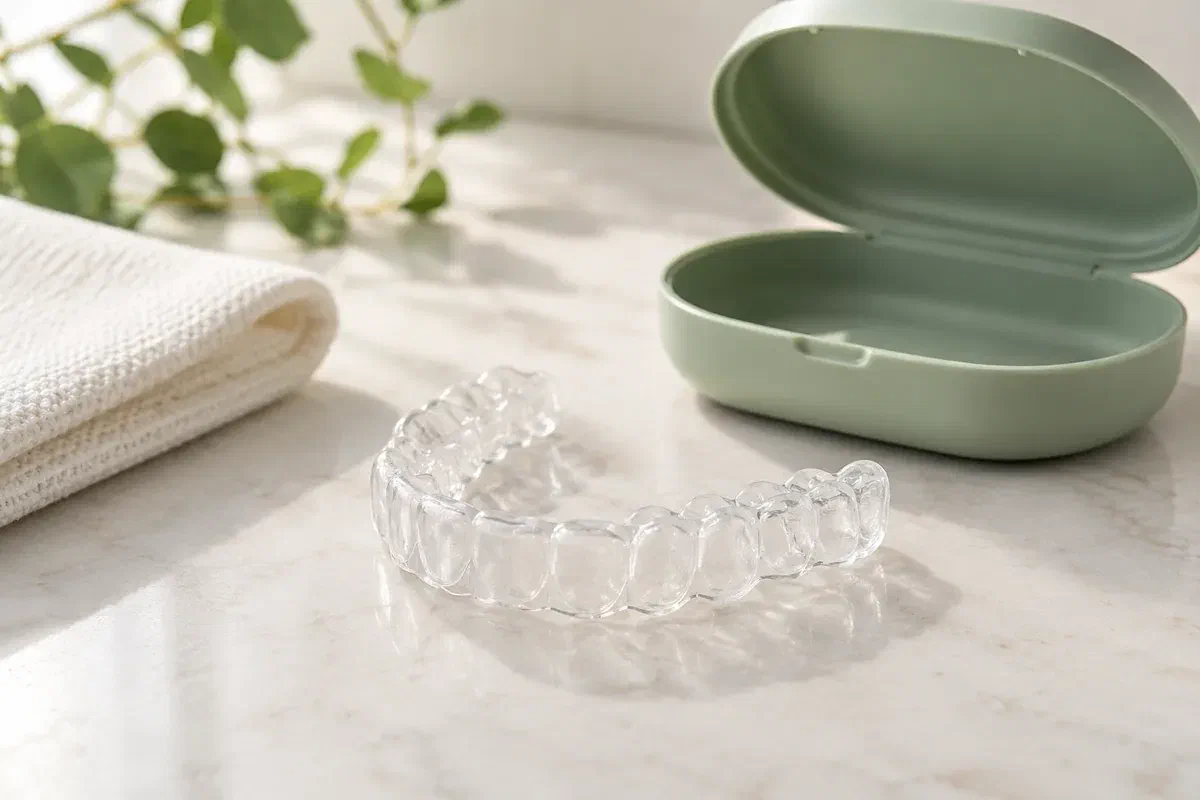
Rinse and clean it as advised, let it dry, and keep it in its case away from heat and pets. Bring it to reviews. Never boil or reshape it. Call if it loosens, rubs, cracks, or fits differently after dental work.
A new medicine, a run of bad nights, or symptoms that feel different are all worth a mention at review. If you wonder whether a prescription is behind the clenching, carry on taking it and ask the doctor who prescribed it. We can talk about whether medical input would help.
Patient information: NIH News in Health — daytime awareness, sleep-related questions, and conservative care
These answers cover everyday questions about wearing and caring for a protective appliance.
Call or send a booking request to our Bronte Street team if grinding, clenching, worn teeth, or a tired-looking guard is on your mind. You will leave knowing what your teeth show, what to do at home each night and morning, and whether anyone else should be involved.
Advice, appliance suitability, repairs, referrals, and fees depend on your assessment. A guard cannot promise that grinding will end or that teeth will not be damaged in future.
