

Illustrative clinician explaining a tooth-and-gum model to a patient before a cleaning appointment
Specialized Care

Deep Dental Cleaning in Old Milton

Years of regular checkups, and now a different kind of cleaning is on the table. From Old Milton, sit down with us to see what changed in your gums, how treatment below the gumline would be staged, and how its results get reviewed.

Old Milton, and a change in the routine

Why now, after all those regular cleanings?

Plenty of people who have kept faithful six-month appointments for decades are still caught off guard by this recommendation. Gums change over a lifetime. Health conditions, medicines, crowding, older fillings and shifts in how easily you can reach the back teeth all play a part, and none of that means you did something wrong.

What is being proposed is usually nonsurgical periodontal treatment, also described as scaling and root planing. It works on root surfaces tucked under the gum, where deposits associated with gum disease collect. Its job is to help inflamed tissue recover; making the enamel feel glossy is not the goal.

Ask to see what has changed since your previous records, if they are available. Our Bronte Street practice sits a short way from Milton's historic downtown, and we are happy to go slowly: the measurements, the images, the comfort plan, the number of visits and the estimate, one at a time.

Go over my gum findings
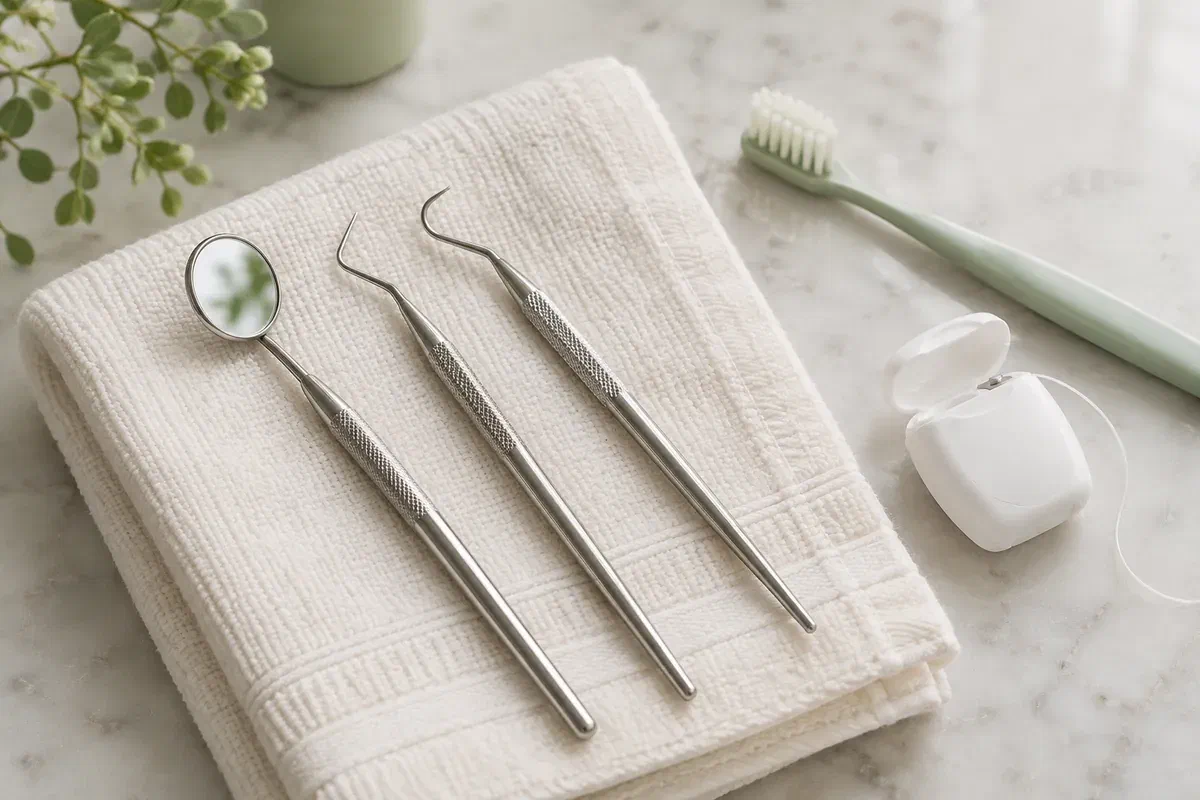
Illustrative periodontal cleaning instruments and a dental mirror beside everyday oral-care tools
What the exam may have shown

Changes that call for a closer look

The recommendation ought to point to specific teeth and specific reasons. Noticing nothing unusual yourself is worth mentioning, but it cannot settle whether the gums are healthy.

Readings that have crept up

If your chart shows deeper pocket readings than before, ask what that trend means. A clinician weighs those numbers together with inflammation, bone levels and your history. A figure taken out of context does not tell you the diagnosis, nor exactly which treatment fits.

Tenderness, bleeding or stubborn food traps

Maybe one corner bleeds every time you floss, or a gap near an old crown catches food. Say so, and describe the tools you rely on. That information guides the treatment and the routine that keeps the area healthier between visits.

Gum treatment you had years ago

Some long-time patients had periodontal care well before now. Mention when, and what follow-up happened. Ask whether today's plan is aimed at fresh sites, places that never quite settled, or upkeep, since earlier treatment does not lock you into repeating it forever.

Gum readings, tooth findings, medical history and any indicated images are considered together. More intensive cleaning is recommended because the findings call for it, not because thorough always sounds safer.

What you can hope to gain

Calmer gums and a routine that still works for your hands

Brushing and flossing cannot reach hardened deposits that have settled on roots below the gum. Professional treatment can, giving the tissue a chance to heal. Your clinician judges progress at the follow-up by looking at the gums and repeating measurements, so ask what improvement is reasonable for each site.

Routines that suited you twenty years ago may need adjusting now. Tell us if gripping floss is difficult, if a bridge complicates things or if dexterity has changed. We would rather show you a holder, a different brush or a new angle than hand over a list of products.

Patient information: American Academy of Periodontology — scaling, root planing, and continuing maintenance

Sites chosen for a reason

You may need treatment on a handful of teeth or on wider areas. The extent determines how long appointments run and whether they are split. It should come from your findings, not a standard package that every adult receives.

Comfort settled ahead of time

If cleanings have ever been unpleasant, or certain teeth are sensitive, raise it early. Ask about local anaesthetic and agree on a hand signal for stopping. Knowing the plan before the chair reclines can make the morning feel easier.

A review date in the calendar

Treatment ends with a check, not a guarantee. Ask when it will happen and what would prompt more care. Some areas settle faster than others, and the review shows whether maintenance, extra cleaning or a specialist's view comes next.

How the appointments usually unfold

Look, prepare, treat, then check again

Visit length and number depend on how much needs treating and on your own needs. Before you book, ask for the full sequence, including the first assessment and the later review.

  1. Compare and explain

    The clinician reviews your gum chart, any images, medical history and past care, comparing with older records where possible. Ask which areas need cleaning under the gums and why. Confirm the estimate and whether the review is included.

  2. Plan for comfort and health

    Mention sensitivity, worries and any medicines, including blood thinners or other prescriptions. Keep taking them as prescribed unless your physician advises otherwise. Freezing may be suggested, and you can agree on how to ask for a break.

  3. Clean the chosen surfaces

    Instruments suited to the task remove deposits from the identified roots, with the method and staging guided by access and findings. Afterward you are shown how to clean those spots at home, and you can ask for a second demonstration.

  4. Return so the gums can be reassessed

    Once the healing interval has passed, your symptoms and gum readings are checked again. Together you look at what improved and what still needs attention, which shapes maintenance or more treatment rather than treating one round as permanent protection.

Home again

Gentle, steady care while the tissue heals

What you are told to do depends on the treatment and whether you were frozen. Ask which sensations are normal and what would be a reason to phone before the review.

Mind the numbness

Hold off on chewing until the freezing wears off, and be careful with hot tea or coffee so you do not burn a lip you cannot feel. Tell us about sensitivity that is sharp, lasting or unexpected. Not every ache afterward comes from the cleaning.

Use the method you were taught

Keep up the brushing and interdental cleaning shown at your visit. If a space suddenly feels wider or a tool no longer slides in, ask. Pressing harder will not help, and avoiding a sore area is not wise either; request advice on cleaning it.

Keep the follow-up, even if things look better

Bring notes on comfort, bleeding and how easy cleaning has become. As swelling subsides, gums can sit differently around the teeth, so mention any gaps or recession that worry you. The review measures tissue health, not just appearance.

Patient information: University Dental Hospital of Manchester — periodontal treatment, sensitivity, and gum changes

Which kind of cleaning fits

Three levels of gum care, each with a different job

Ask where your findings place you and how the decision was made. Once you know an appointment's purpose, the plan as a whole is easier to follow.

When the gums show no need for more

A regular hygiene visit

If periodontal treatment is not indicated, a standard cleaning and practical advice may be right. Ask what you are protecting and which habits matter most. A missed year of appointments does not, on its own, set how deep the cleaning goes.

When specific sites need deeper care

Periodontal treatment beneath the gums

Go over the sites, comfort measures, staging and the reassessment. This care helps manage gum disease, with your daily routine doing its share. Nobody should describe it as regrowing bone or removing the need for future maintenance.

When some areas do not respond as hoped

Another approach or a specialist

Persistent or more involved disease may need further treatment or a periodontist's opinion. Ask what remains and what the next assessment will tell you. Extra care does not mean surgery for every site or that earlier work was pointless.

Asked around Old Milton

Things long-time patients often wonder

It is reasonable to ask why the plan has changed and how it will be judged. Raise anything about comfort, costs or the medicines you take.

(905) 876-4488
I have never missed a checkup. How did my gums get to this point?
Regular visits lower the odds of problems but cannot rule them out. Gum health is influenced by general health, medicines, tooth position, existing dental work and how easily you can clean certain spots. Ask your clinician which factors seem relevant to you.
Should I keep taking my blood thinner before the appointment?
Do not stop or change any prescribed medicine on your own. Tell us exactly what you take, and we can discuss whether your physician should be consulted before treatment. Bringing an up-to-date medication list helps.
Could old fillings or crowns affect how my gums respond?
They can. Edges that trap plaque or are hard to clean may contribute to irritation in nearby gum tissue. Ask whether any restorations are involved in your findings and whether they need attention alongside the cleaning.
Is the whole mouth usually treated in one sitting?
It varies. The number of sites, how comfortable you are and the appointment length you can manage all affect staging. Some plans treat one area at a time; others cover more in a visit. Ask which approach is proposed for you and why.
Why does the gap between my front teeth look bigger since treatment?
When inflamed gums tighten up, tissue that was swollen can shrink back, making spaces more visible. Ask what to expect in your situation and how best to clean those gaps. Report any change that seems sudden or uncomfortable.
How often will I need cleanings after the review?
Maintenance intervals are set from your reassessment findings rather than a standard calendar. Some people need closer spacing for a while. Ask what interval is suggested and what would justify changing it.
Near Old Milton

A careful second look at your gums

Get in touch with our Bronte Street practice to talk over a deep-cleaning recommendation or changes you have noticed in your gums. We will explain the assessment, the stages that suit you and the follow-up care that comes after.

Diagnosis, treatment extent, comfort measures, number of visits, maintenance schedule and fees are decided after assessment. No single round of cleaning can guarantee permanent gum stability.

Visit Milton Dental Clinic
Unit 1, 342 Bronte St. S, Milton, ON L9T 5B7
Get directions Clinic hours
Monday–Thursday
11am–7pm
Friday–Sunday
By appointment only

Areas we serve

  • Milton
  • Oakville
  • Mississauga
  • Georgetown
  • Halton Hills
  • Acton
  • Campbellville
  • Brampton
  • Burlington
  • Puslinch
  • Rockwood
  • Erin
  • Caledon
  • Etobicoke
  • Old Milton
  • Bronte Meadows
  • Timberlea
  • Dorset Park
  • Dempsey
  • Clarke
  • Beaty
  • Coates
  • Harrison
  • Scott
  • Willmott
  • Ford
  • Bowes
  • Cobden
  • Walker
  • Mountain View
  • Milton Heights
  • Hawthorne Village
  • Valley View
  • Fallingbrook
  • Nassagaweya
  • Trafalgar
  • Esquesing
  • Nelson
  • Brookville
  • Moffat
  • Glen Williams
  • Norval
  • Limehouse
  • Stewarttown
  • Ashgrove
  • Hornby
  • Silver Creek
  • Speyside
  • Scotch Block
  • North Oakville
  • River Oaks
  • Glen Abbey
  • West Oak Trails
  • Palermo
  • Bronte Creek
  • College Park
  • Joshua Creek
  • Uptown Core
  • Preserve
  • Iroquois Ridge
  • Lisgar
  • Meadowvale
  • Meadowvale Village
  • Churchill Meadows
  • Erin Mills
  • Central Erin Mills
  • Streetsville
  • East Credit
  • Creditview
  • Heartland
  • Sheridan
  • Mount Pleasant
  • Credit Valley
  • Huttonville
  • Churchville
  • Springbrook
  • Northwest Brampton
  • Bram West
  • Fletcher's Meadow
  • Fletcher's Creek South
  • Alton Village
  • Orchard
  • Millcroft
  • Headon Forest
  • Tansley
  • Brant Hills
  • Tyandaga
  • Kilbride
  • Lowville
  • Aberfoyle
  • Morriston
  • Arkell
  • Hillsburgh
  • Freelton
  • Carlisle
  • Waterdown
  • Flamborough
  • Mountsberg

How can we help?

Milton Dental Clinic

Have a question about your smile? Choose the option that works best for you.

For urgent dental concerns, please call.
Messages are reviewed during clinic hours.