

Illustrative patient discussing recovery after a dental extraction with a clinician
Specialized Care

Dry Socket Treatment in Burlington

When the pain relief you were told to take stops keeping up with an extraction site, it is time to call rather than reach for more. A dentist can assess the socket, look for other causes, and plan safe comfort from Burlington onward.

When the medicine stops working

Pain is outpacing the pills. Call before you take more.

A common moment goes like this: a few days after an extraction, the usual dose barely touches the ache, and you start wondering about doubling up. That is the point to pick up the phone instead. Rising pain at this stage can be a sign of dry socket, where the clot meant to shield the bone has failed to form, been lost, or broken down early, though an examination is needed to know.

Feeling sore after a tooth is pulled is expected, and the aftercare sheet usually says roughly how long. What matters is pain that is growing, is hard to control with the plan you were given, or simply does not match it. Dry socket is only one explanation. Gum healing problems and neighbouring teeth are examined too, so the treatment fits the actual cause.

Coming from Burlington, it helps to call our Bronte Street practice before you set out. Tell us the extraction date, which tooth it was, what you have been taking and when, and how the pain has changed. If a different office removed the tooth, let us know and bring their instructions. We can then go over availability.

Phone about uncontrolled extraction pain
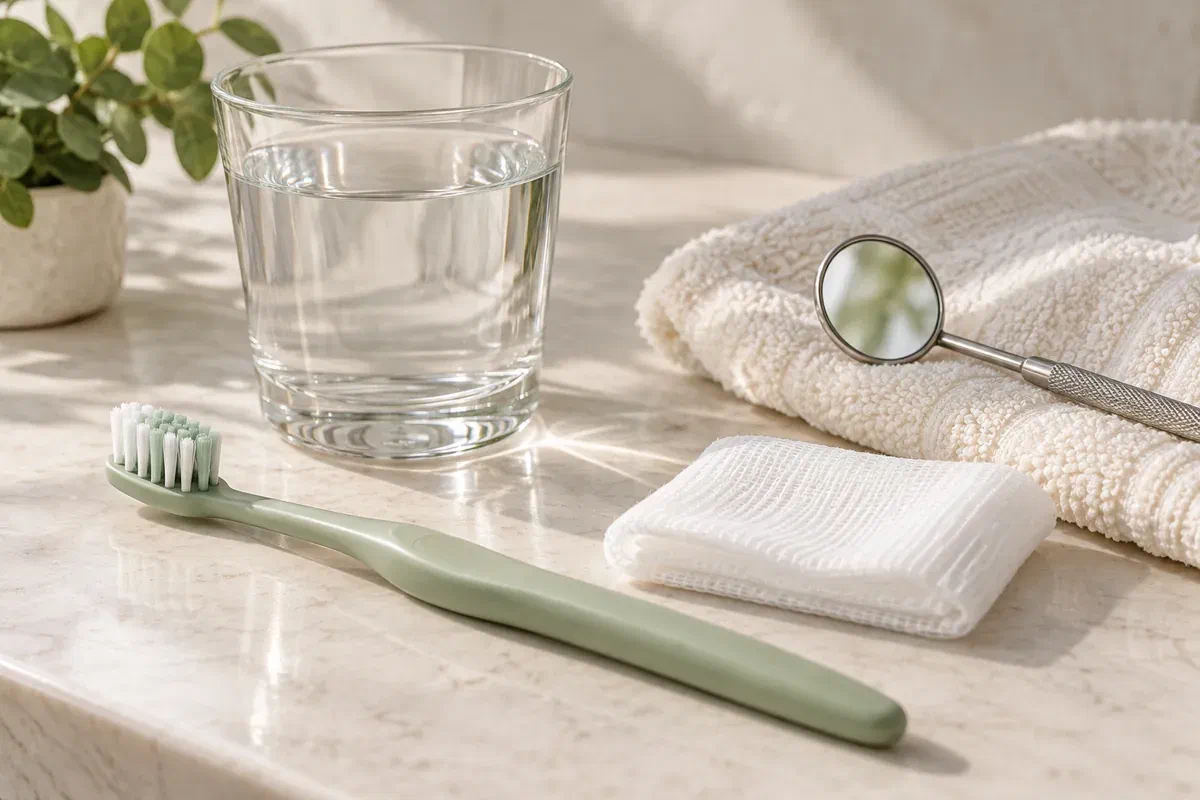
Illustrative gentle oral-care supplies with a toothbrush, water glass, gauze, and dental mirror
Details that help on the call

Bring the medicine list, and the timeline.

Note what you have taken, how much, and how often, along with the instructions you received at the extraction. Then explain how the first days felt compared with now. That sequence guides the assessment.

Relief that wears off sooner each day

If doses seem to last less time, or the pain now breaks through overnight, say so. Mention when the ache started rising and how it affects meals or sleep. You can describe its location without touching the socket, and a recovery that is going backwards is worth a call.

A foul taste along with the ache

Include any unpleasant taste or breath change when you describe the pain. These details can help, but they do not identify the cause by themselves. Leave the socket alone rather than wiping or scraping it to find out more.

Symptoms medicine should not mask

Swelling of the face that keeps increasing, a fever, feeling unwell, or bleeding that will not stop all need prompt attention. Pain relief should not be used to ride these out, and they should not be assumed to be dry socket. Tell us about medical conditions and prescriptions as well.

Dry socket reflects a problem with healing, not necessarily an infection. The examination decides whether the findings fit that diagnosis or whether another complication is responsible.

What changes after a review

Less reliance on guesswork, and a pain plan that is safe for you

The review is your chance to say plainly that the current plan is not enough and have the site examined. If dry socket is diagnosed, local care is directed at easing the pain as healing continues, which can reduce how much you depend on medicine alone. Ask how soon you should feel a difference and when to call if you do not.

Instructions also get updated to match where you are. Home care depends on how long it has been since the extraction and what was done at this visit. You should not need to piece together advice from a pharmacy shelf, a forum, and an old handout.

Patient information: Guy's and St Thomas' — dry socket care after dental surgery

A reason for the pain

Ask whether the findings suggest dry socket, slower healing of another kind, or pain from a nearby tooth. Knowing the reason makes sense of the recommended care. If it is still unclear, ask what further information or a later check would help.

Direct relief at the source

Treatment may include gently washing out the socket and placing a dressing to calm it. Ask what was used and whether it needs to be looked at or removed. The dressing supports comfort while you heal and does not mean the socket has closed.

Medicine advice matched to you

Review pain relief with your health, other medicines, and allergies in mind. Ask who to contact if it stops being enough. Never raise a dose or combine products on your own; check the labels and get professional advice first.

Inside the appointment

From your medicine list to a clear plan

Care is decided by what the dentist finds. Bring the original aftercare sheet if you have it, and point out any part of it you have struggled with.

  1. Go through what you have taken and when

    Share the date and place of the extraction, whether it was routine or surgical if you know, and the medicines you have used since. Explain when the pain changed and whether another clinician has already looked at the area.

  2. Have the socket and nearby teeth examined

    The dentist checks the socket and surrounding tissue and may recommend further investigation if it is called for. Ask what they see. A home photo can show what worried you, yet it cannot take the place of an examination.

  3. Discuss local treatment and pain control

    Where dry socket is confirmed, the dentist explains the local care and how to manage pain safely from here. Ask about the dressing and how to care for it. Antibiotics are not a given; medicine choices depend on the findings.

  4. Agree on follow-up and red flags

    Find out whether you are booked to return or when to phone if things do not settle. Ask how to clean and eat near the site now. Keep our number within reach so you are never unsure who to call.

After the socket is treated

Gentle habits, and the instructions you were just given

Ask for precise guidance on rinsing, brushing, food, and any dressing. It should suit your stage of healing and today's treatment, not a general rule borrowed from another extraction.

Leave any dressing undisturbed

Do not pick at the site or create a dressing at home. If material was placed, ask what to expect and what to do if it falls out. Call us with concerns rather than packing anything into the socket.

Clean around the site carefully

Follow the brushing method you were shown and ask how to manage the teeth next to the socket. If a rinse is advised, stick to the method and timing given. Avoid forceful rinsing or improvised tools near the area.

Talk about smoking and other hurdles

Smoking can raise the risk of dry socket and make healing harder. If cutting back is difficult right now, say so and ask what support might help. Also mention any trouble eating, drinking, or following the plan, so the advice fits real life.

Treatment depends on the finding

Three directions the plan can take

Ask what the recommendation is based on and how you will know it is helping. A painful socket deserves an assessment of its own, regardless of how a past extraction went.

When recovery is on track

Updated advice for normal healing

The dentist may explain the findings and adjust your aftercare or pain-management routine. Ask which sensations are expected and which are not. Reassurance is most useful with a clear reason and an easy way to come back if the pattern changes.

When local comfort treatment is needed

Local treatment once dry socket is confirmed

Gentle cleaning and a soothing dressing may be offered. Find out whether more than one visit is likely and what each will do. The aim is comfort while healing continues, not an immediate closing of the socket.

When the findings point elsewhere

A plan for a different complication

Other findings may call for more tests, different treatment, or contact with the dentist or surgeon who did the extraction. Ask what still needs clarifying and how the next step will be arranged. Medicines such as antibiotics are chosen for a diagnosis, not prescribed because an extraction happened.

Burlington dry socket questions

Pain relief, dressings, and follow-up, answered

Call us about a recovery that is not going well rather than trying to work it out from a mirror. Your history and an examination shape the plan.

(905) 876-4488
Can I take more pain medicine than the label says if it is really bad?
No. Exceeding directions or combining products without advice can be harmful. If the recommended amount is not enough, call the clinic or speak to a pharmacist or physician, and arrange to have the socket examined.
Will treating the socket reduce how much pain medicine I need?
Local care is aimed at easing symptoms while healing continues, and many people find it helps. Results vary, so ask what to expect and how to adjust your pain relief safely after the visit.
Should I stop my regular prescriptions while the socket heals?
Do not stop or change prescribed medicine without talking to the prescriber. Tell the dentist everything you take so pain-relief advice and any treatment can be planned around it.
Do I need antibiotics for a dry socket?
Often not. Dry socket is a healing problem rather than proof of infection. The dentist considers the examination and your health before suggesting any medicine, and local care and follow-up still matter.
If my extraction was done at another office, can I still be seen here?
Call to ask about availability and tell us where the tooth was removed. Bring the treatment details and aftercare sheet if you have them. Depending on what we find, care may involve local treatment or contact with the original provider.
What is the best way to plan a visit from Burlington?
Call first so we can confirm availability and you can ask whether a second visit is likely. Bring your medicine list and aftercare sheet so the first appointment covers as much as possible.
Dry socket care for Burlington

Tell us what you have tried, and we will examine the site.

Contact our Bronte Street practice about extraction pain that is getting harder to manage, and ask about current openings. Bring the extraction date, your medicine list, and any instructions you were given. If you need help right away and cannot reach us, seek another urgent dental provider.

Online requests are handled as non-urgent. Diagnosis, treatment, medicines, follow-up timing, and fees depend on the examination. Treating dry socket does not guarantee immediate healing.

Visit Milton Dental Clinic
Unit 1, 342 Bronte St. S, Milton, ON L9T 5B7
Get directions Clinic hours
Monday–Thursday
11am–7pm
Friday–Sunday
By appointment only

Areas we serve

  • Milton
  • Oakville
  • Mississauga
  • Georgetown
  • Halton Hills
  • Acton
  • Campbellville
  • Brampton
  • Burlington
  • Puslinch
  • Rockwood
  • Erin
  • Caledon
  • Etobicoke
  • Old Milton
  • Bronte Meadows
  • Timberlea
  • Dorset Park
  • Dempsey
  • Clarke
  • Beaty
  • Coates
  • Harrison
  • Scott
  • Willmott
  • Ford
  • Bowes
  • Cobden
  • Walker
  • Mountain View
  • Milton Heights
  • Hawthorne Village
  • Valley View
  • Fallingbrook
  • Nassagaweya
  • Trafalgar
  • Esquesing
  • Nelson
  • Brookville
  • Moffat
  • Glen Williams
  • Norval
  • Limehouse
  • Stewarttown
  • Ashgrove
  • Hornby
  • Silver Creek
  • Speyside
  • Scotch Block
  • North Oakville
  • River Oaks
  • Glen Abbey
  • West Oak Trails
  • Palermo
  • Bronte Creek
  • College Park
  • Joshua Creek
  • Uptown Core
  • Preserve
  • Iroquois Ridge
  • Lisgar
  • Meadowvale
  • Meadowvale Village
  • Churchill Meadows
  • Erin Mills
  • Central Erin Mills
  • Streetsville
  • East Credit
  • Creditview
  • Heartland
  • Sheridan
  • Mount Pleasant
  • Credit Valley
  • Huttonville
  • Churchville
  • Springbrook
  • Northwest Brampton
  • Bram West
  • Fletcher's Meadow
  • Fletcher's Creek South
  • Alton Village
  • Orchard
  • Millcroft
  • Headon Forest
  • Tansley
  • Brant Hills
  • Tyandaga
  • Kilbride
  • Lowville
  • Aberfoyle
  • Morriston
  • Arkell
  • Hillsburgh
  • Freelton
  • Carlisle
  • Waterdown
  • Flamborough
  • Mountsberg

How can we help?

Milton Dental Clinic

Have a question about your smile? Choose the option that works best for you.

For urgent dental concerns, please call.
Messages are reviewed during clinic hours.