

Illustrative patient explaining a dental concern before an examination
Specialized Care

Emergency Dental Examination in Burlington

A fall off a bike, an elbow in a pickup game or a hard bite on something unexpected can chip, loosen or crack a tooth. From Burlington, call us to describe the injury and when it happened, so we can discuss urgency and an examination.

After a knock or a sudden break

The clock starts when the injury happens.

With dental injuries, timing can affect what is possible, which is why the hour of the accident is one of the first things the team will ask. A tooth can look fine on the surface and still have been jolted inside, or a small chip can hide a crack. An emergency dental examination brings together what happened, your health background and a direct assessment to work out how much damage there is and how quickly it needs attention.

Injuries are only one reason to call. People also get in touch about swelling, toothache that keeps building, a lost filling or something that doesn't feel right after recent treatment. In every case the dentist reviews your medical history and medicines, and keeps an open mind about the source; the sore spot may or may not be where the problem lies.

Phone before you leave Burlington so the team knows what to expect and can discuss availability. If a whole adult tooth has been knocked out, tell us straight away, since that situation is especially time-sensitive. When you need care at once and cannot reach us, go to another emergency dental provider rather than leaving a message and waiting.

Call about a dental injury
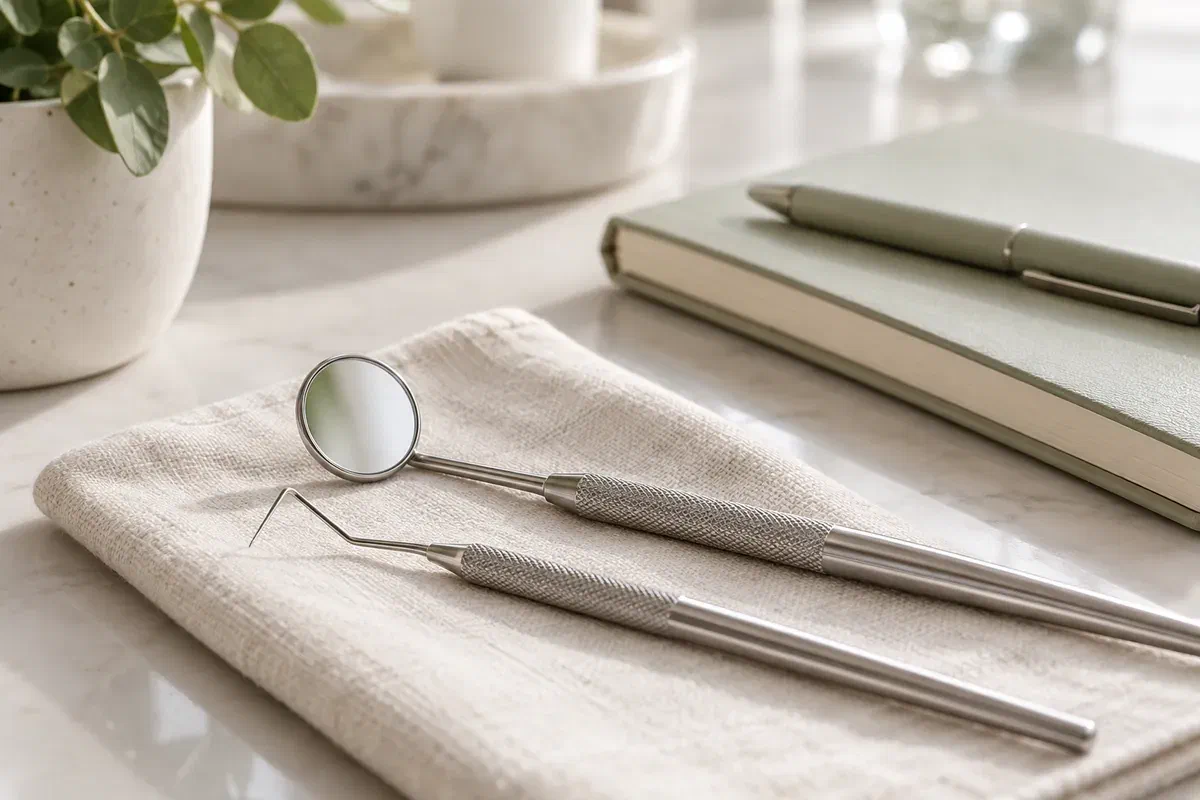
Illustrative dental examination instruments beside a notebook on a clean cloth
Details the team will ask for

How it happened, how it feels, how it looks

You don't need to diagnose anything yourself. Describe the event and the symptoms in your own words; that lets the team judge whether to see you here or direct you somewhere more suitable.

Tooth pain, especially if it's new or getting worse

Let us know the rough location, when it began and whether it throbs on its own or reacts to biting, heat or cold. Mention if it has kept you up and what you've taken for it. Testing the tooth over and over won't help the diagnosis; describing it will.

Impact, swelling or a bite that has shifted

Say how the injury occurred and what looks different now. Tell us if your teeth no longer meet the way they did, if a tooth feels loose or if a piece is missing. Give the time of the accident, even if the pain has already calmed down.

A change since your last dental treatment

If the concern follows recent work, share the date and what was done, and explain how it differs from the recovery you were told about. Bring any written instructions. This helps the dentist tell whether it's a follow-up matter or a new problem.

A serious blow to the head or face, trouble breathing or swallowing, severe or quickly spreading swelling, or bleeding you can't control needs urgent medical care. Call 911 or go to hospital emergency rather than waiting for a dentist.

What a careful assessment offers

Seeing past the visible chip

After an accident, attention naturally goes to the part you can see. Smoothing a chipped edge might be all that's needed, or the injury may have affected the root, the nerve or the bone around the tooth. The examination is there to find out. Ask how each finding shapes the recommendation, and whether anything can only be judged over time.

Injuries sometimes need a series of visits: immediate care, then a check some weeks later to see how the tooth is responding. Make sure you know what happens at this appointment, what comes next and whether another provider should be involved. Ask which step is the priority.

Patient information: American Dental Association — individualized selection of dental imaging

An explanation you can repeat to someone else

Ask the dentist to describe what they found and what it means for the tooth and surrounding tissue, in everyday terms. That makes it easier to explain to family, a coach or an employer, and to weigh the treatment choices in front of you.

Images when they add something

X-rays can show things an examination alone can't, such as how a root or the surrounding bone looks after a knock. They should be selected based on your history and the findings, with any recent images considered. Ask what a particular image is meant to clarify.

Knowing what is temporary

After an injury, a temporary covering, splint or smoothing may come before definitive treatment. Ask which type of care you are getting today. That way a short-term measure isn't mistaken for the finished result.

The visit, in order

What happened, what's there, what it means, what next

The tests depend on the injury or symptoms and on what the dentist finds. If you'd like something explained, or need a pause, say so at any point.

  1. Recount the event and share your health details

    Explain when and how the problem began, how it has changed and any treatment or medicine since. Give your allergies, conditions and prescriptions. Pregnancy, dental anxiety and other relevant circumstances are worth mentioning so the assessment can be planned around them.

  2. Check the injured area and the teeth beside it

    The dentist inspects the teeth, gums and soft tissues, and may use suitable clinical tests. A knock can affect more than one tooth, so neighbouring teeth are often checked. Ask what each test tells the dentist.

  3. Look at images if indicated and talk through the findings

    Existing records may be reviewed and X-rays taken where they would help. You then hear what the dentist has found and their working diagnosis. If some things can't yet be known, ask what is uncertain and when it might become clearer.

  4. Agree on what happens now and later

    Discuss the suggested treatment, alternatives, limits, timing and fees before deciding. Clarify what the examination covers and what is separate treatment. Leave with a date for any follow-up and a list of changes that should prompt an earlier call.

Looking after an injured tooth

Follow-up matters as much as the first visit.

An injured tooth may need checking again even if it feels better. Before leaving, confirm whether more treatment is planned and how to protect the area until then.

Note the tooth, the findings and the review date

Ask for the main information in a form you can keep. Write down which tooth is involved and what the next visit is for. If another clinician will continue care, confirm which records should be shared, with your consent.

Protect the area in the way you were advised

You might be told to eat softer foods, avoid biting with the injured tooth or wear a mouthguard for sport. Ask about pain relief in relation to your health. Don't assume advice from a previous injury applies to this one.

Call if colour, comfort or swelling changes

A tooth that darkens, new swelling or pain that returns should be reported. The plan you were given reflected what was seen at the time. A different picture may call for a different response.

Options after the examination

Repair now, investigate further, or keep watch?

The right choice comes from the findings. Ask why one option is suggested and what another would mean for comfort, the tooth and the timing of care.

If the findings call for a procedure

Treatment for the damage that was found

This could mean bonding a chipped edge, repositioning or stabilising a loosened tooth, treatment inside the tooth, extraction or another approach. Ask what the procedure should achieve and whether more care will follow.

If more information or another clinician is required

Further tests or specialist input

Some injuries warrant additional imaging or a referral before deciding on definitive care. Ask what the next assessment should answer, who will organise it and which records will go along. Find out what to do if things worsen meanwhile.

If the tooth needs time before a decision

Monitoring over the coming weeks

Some injured teeth are best watched to see how they respond. Ask what will be checked, when and which signs should bring you back sooner. Monitoring should come with a schedule and reasons, not just advice to wait.

Burlington questions about injuries and urgent visits

Answers for the moments after an accident

General guidance only. For an actual injury, phone so the team can hear the details and talk about timing; a web form will not get you seen sooner.

(905) 876-4488
An adult tooth was knocked out completely. What should I do?
Call immediately. Handle the tooth by the crown, not the root. If it is clean, the team or another emergency provider may advise on placing it back or keeping it moist, for example in milk, while you travel. Time matters greatly here.
My tooth chipped but doesn't hurt. Does it still need checking?
Yes. A chip without pain can still involve a crack or damage underneath. Call to describe what happened, and the team can suggest how soon to be seen. Keep any fragment you find.
Why might the dentist want to see an injured tooth again later?
Some effects of a knock, such as changes inside the tooth, can take time to appear. A planned review lets the dentist see how the tooth is responding. Ask when the review should be and what signs mean coming back sooner.
Can a sore tooth after a fall actually be the one next to it?
It can. A blow may affect several teeth, and pain doesn’t always point to the right one. The dentist may check neighbouring teeth and tissues. Ask how the findings support the diagnosis.
Is the emergency examination billed separately from any repair?
Typically, yes. The examination identifies the problem; treatment may be offered the same day, booked for later or referred elsewhere. Ask what is planned and which fees relate to the assessment and which to treatment.
Does an urgent visit cover the rest of my mouth too?
It focuses on the injury or immediate concern and closely related findings. Your wider dental care may need a separate appointment. Ask what was assessed and whether a broader review is recommended once things settle.
From Burlington to our practice

Injured or in pain? Call, then come in with a plan.

Phone our Bronte Street practice about a dental injury, sudden pain, swelling or a concern after treatment, and ask about current availability. Tell us when it happened and what you are noticing. If you need care immediately and cannot reach us, contact another available provider.

Online requests are not suitable for urgent problems. Examination scope, imaging, treatment, referral, availability and fees depend on your situation. An assessment doesn't guarantee a procedure at the same visit.

Visit Milton Dental Clinic
Unit 1, 342 Bronte St. S, Milton, ON L9T 5B7
Get directions Clinic hours
Monday–Thursday
11am–7pm
Friday–Sunday
By appointment only

Areas we serve

  • Milton
  • Oakville
  • Mississauga
  • Georgetown
  • Halton Hills
  • Acton
  • Campbellville
  • Brampton
  • Burlington
  • Puslinch
  • Rockwood
  • Erin
  • Caledon
  • Etobicoke
  • Old Milton
  • Bronte Meadows
  • Timberlea
  • Dorset Park
  • Dempsey
  • Clarke
  • Beaty
  • Coates
  • Harrison
  • Scott
  • Willmott
  • Ford
  • Bowes
  • Cobden
  • Walker
  • Mountain View
  • Milton Heights
  • Hawthorne Village
  • Valley View
  • Fallingbrook
  • Nassagaweya
  • Trafalgar
  • Esquesing
  • Nelson
  • Brookville
  • Moffat
  • Glen Williams
  • Norval
  • Limehouse
  • Stewarttown
  • Ashgrove
  • Hornby
  • Silver Creek
  • Speyside
  • Scotch Block
  • North Oakville
  • River Oaks
  • Glen Abbey
  • West Oak Trails
  • Palermo
  • Bronte Creek
  • College Park
  • Joshua Creek
  • Uptown Core
  • Preserve
  • Iroquois Ridge
  • Lisgar
  • Meadowvale
  • Meadowvale Village
  • Churchill Meadows
  • Erin Mills
  • Central Erin Mills
  • Streetsville
  • East Credit
  • Creditview
  • Heartland
  • Sheridan
  • Mount Pleasant
  • Credit Valley
  • Huttonville
  • Churchville
  • Springbrook
  • Northwest Brampton
  • Bram West
  • Fletcher's Meadow
  • Fletcher's Creek South
  • Alton Village
  • Orchard
  • Millcroft
  • Headon Forest
  • Tansley
  • Brant Hills
  • Tyandaga
  • Kilbride
  • Lowville
  • Aberfoyle
  • Morriston
  • Arkell
  • Hillsburgh
  • Freelton
  • Carlisle
  • Waterdown
  • Flamborough
  • Mountsberg

How can we help?

Milton Dental Clinic

Have a question about your smile? Choose the option that works best for you.

For urgent dental concerns, please call.
Messages are reviewed during clinic hours.