

Illustrative patient listening as a clinician explains a dental treatment plan
Specialized Care

Emergency Dental Treatment

When pain, swelling, or damage interrupts your day, call about emergency dental treatment in Milton. We can discuss availability, assess the concern, and explain suitable care, including what can be addressed now and what may need another visit.

A closer look at emergency dental treatment

Address the urgent problem with a plan that continues beyond today.

Emergency dental treatment is care selected for a problem that needs timely attention, such as significant pain, swelling, damage, or an injury. It is not a single procedure. The examination determines whether the next step is repair, treatment of a tooth or its surrounding tissues, removal, stabilization, or care from another provider.

The immediate appointment and the complete treatment plan may be different things. A first visit might address the most urgent concern while leaving a restoration, review, or specialist stage to follow. Understanding that distinction helps you make an informed decision and protect the work already done.

Call Milton Dental Clinic before coming in and describe what has happened. New and returning patients can ask about current availability. If we cannot be reached and you need immediate dental care, seek another available emergency provider. A website request is not a substitute for a prompt call about worsening symptoms.

Request care for an urgent dental concern
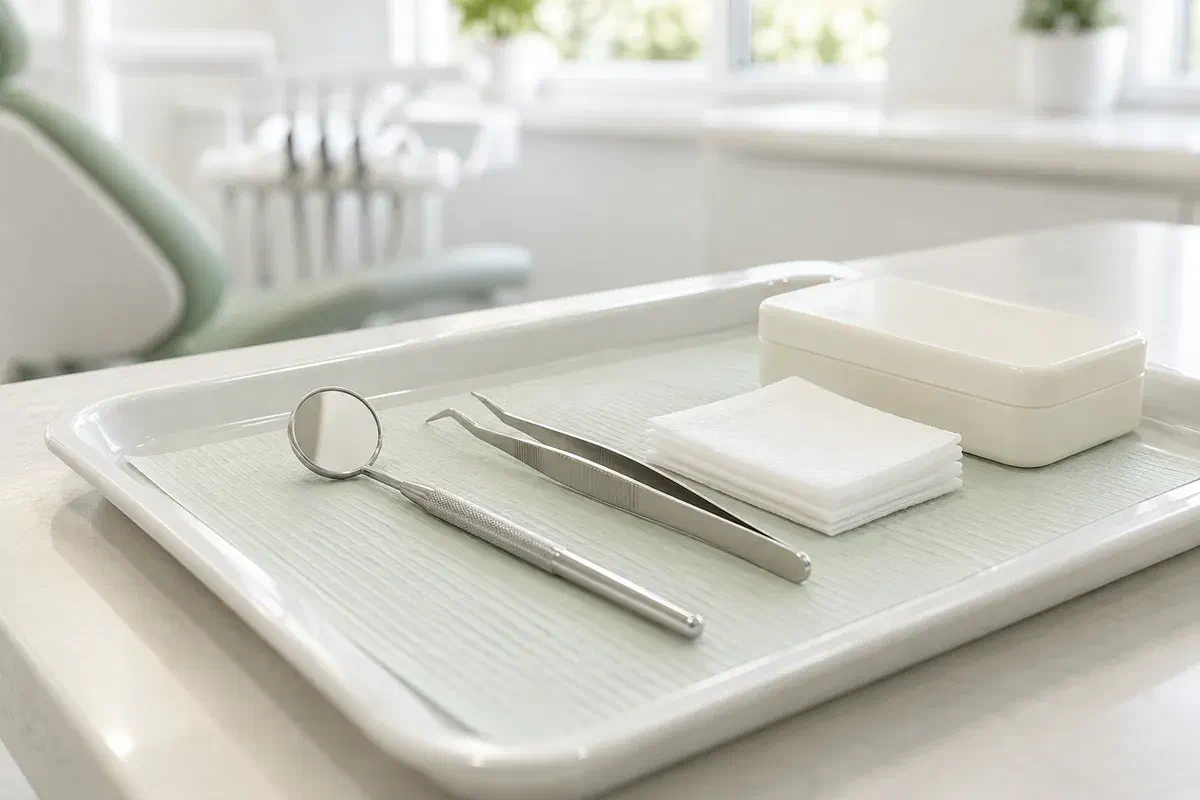
Illustrative prepared dental tray with a mirror, tweezers, and clean gauze
When the situation needs attention

Explain the symptom that brought you here and anything that is changing.

The treatment decision depends on more than a pain score. Describe the timing, location, and effect on everyday activities, along with visible changes and any relevant recent treatment.

Pain that makes normal activities difficult

Tell the team if eating, sleeping, or concentrating has become difficult and which measures you have already tried. Explain whether the pain is constant, comes with biting, or follows hot or cold drinks. Do not assume that stronger medication alone will address the cause.

Swelling or symptoms that are spreading

Report where swelling began, how quickly it is changing, and whether you feel unwell. Mention fever or difficulty opening your mouth. These details help determine the appropriate setting for care and should be shared before a routine appointment is arranged.

Damage, a lost restoration, or an injury

Explain whether a tooth has broken, a restoration has come away, or an impact has moved a tooth. Keep any detached piece safely and bring it if possible. A knocked-out permanent tooth is time-sensitive and requires immediate emergency dental attention.

For difficulty breathing or swallowing, severe spreading swelling, uncontrolled heavy bleeding, or serious facial or head injury, call 911 or seek hospital emergency care. Do not wait for an email or callback response.

What the treatment conversation should cover

Understand the purpose of today's care and the choices that follow.

The first priority is an appropriate response to the problem identified. Ask what the proposed treatment is intended to change and how the clinician will judge whether it has helped. A useful explanation connects the procedure with the findings rather than promising the same outcome for every emergency.

You should also understand the alternatives and practical implications. Discuss whether the tooth can reasonably be retained, what a temporary measure can and cannot achieve, and whether another provider is needed. Costs, appointment stages, and uncertainty belong in that conversation, even when the visit began unexpectedly.

Patient information: American Dental Association — medicines as temporary support for acute dental pain · American Dental Association — appropriate antibiotic use for dental pain and swelling

Care directed at the diagnosed cause

A broken edge, inflamed pulp, infection, and injured supporting tissue may call for very different treatment. Ask which finding is being addressed. Treating the symptom without a plan for the cause can leave important work unfinished.

Medication with a defined role

Pain relief may support comfort while dental care is arranged, but it does not replace treatment that is needed. Antibiotics are appropriate only in selected circumstances. Ask what a prescribed medicine is intended to do and what procedure or review remains necessary.

A next step you can realistically arrange

If care must continue later, ask about the timing, estimate, and responsible provider. Explain barriers such as travel, scheduling, or cost so the alternatives can be discussed. A plan is more useful when you understand both its clinical priority and its practical requirements.

How urgent treatment is planned

Assess the concern, agree on care, and make the handover clear.

What can be provided at the visit depends on the diagnosis, complexity, available appointment time, and any referral needs. The team should explain those limits before you commit to a treatment.

  1. Call with the symptoms and relevant background

    Share the onset, changes, recent dental work, and any injury. Mention current medicines, allergies, and health conditions when asked. Tell us if you are anxious or need particular communication support so those concerns can be considered alongside the urgent problem.

  2. Examine the area and establish the recommendation

    The dentist reviews the history, examines the mouth, and uses indicated tests or images. Ask how the findings support the proposed care. If the problem needs another setting or specialist assessment, clarify why and what the immediate next step should be.

  3. Discuss consent, comfort, and the procedure's scope

    Review the benefits, limitations, alternatives, and fees. Agree on how to signal if you need a pause. Confirm whether the planned procedure is a complete treatment, an initial stage, or a temporary measure so the purpose of the appointment is clear.

  4. Explain aftercare and arrange outstanding treatment

    Before leaving, review what has been done and what remains. Ask for instructions about eating, cleaning, medication, and symptoms that need attention. Confirm the next appointment or referral arrangement rather than relying on the expectation that the problem will stay comfortable.

After the urgent appointment

Protect the treatment and keep the rest of the plan connected.

Aftercare needs to match the procedure you received. Instructions after a temporary filling, an extraction, or treatment inside a tooth are not interchangeable, so ask for clarification where necessary.

Follow the instructions for the treated area

Ask when and how to eat, clean, and use the tooth or appliance again. If anaesthetic was used, follow advice about avoiding accidental biting or burns while numb. Do not test a repair with hard foods simply because the original pain has eased.

Use medicines safely and explain any difficulty

Follow the label and clinician's instructions and ask a pharmacist about uncertainty or interactions. Do not put aspirin directly on a painful tooth or gum. Contact the prescriber if you cannot take the medicine or experience an adverse effect rather than improvising another regimen.

Book completion and review visits as advised

Keep the appointment needed to finish a restoration, assess healing, or continue another stage of treatment. If you cannot attend, call to discuss timing. Temporary comfort can make follow-up feel less urgent, but it does not establish that the dental work is complete.

Patient information: ADA MouthHealthy — avoiding harmful home remedies during dental emergencies

Choosing the appropriate intervention

The emergency label does not decide which treatment is right.

Ask why a particular approach fits the diagnosis and what an alternative would involve. The immediate concern and the longer-term condition of the tooth both matter.

When a suitable restorative or endodontic option exists

Repair or treatment intended to retain the tooth

Depending on the findings, a restoration or treatment inside the tooth may be discussed. Ask about the remaining structure, expected stages, and final protection required. Keeping the tooth should be considered with its prospects and limitations clearly explained.

When retaining the tooth is not the appropriate plan

Removal or another procedure for the identified source

Extraction or treatment of affected tissues may be recommended in selected circumstances. Ask why that approach is advised and what recovery involves. If a tooth is removed, future replacement choices can be discussed separately rather than assumed as part of the urgent procedure.

When definitive care requires another visit or provider

Interim management and referral

Temporary management can have an important role when its limits and next steps are clear. Ask what it protects, how long the arrangement is intended to last, and whom to contact. Referral should include a practical route to the care still needed.

Emergency treatment questions

Ask about availability, consent, and what counts as completed care.

Call to discuss the current problem and appointment options. The answers below explain common decisions, but the examination determines the treatment and urgency for your situation.

(905) 876-4488
Can new patients ask about emergency dental treatment at the clinic?
Yes. Call and describe the symptoms so availability and the next step can be discussed. Bring relevant health and dental information if an appointment is arranged. Immediate or same-day treatment cannot be guaranteed before the concern and schedule are reviewed.
Does emergency dental treatment always mean removing the painful tooth?
No. The appropriate treatment depends on the diagnosis and the tooth’s condition. Repair or care intended to retain it may be suitable. Ask why removal is being considered, what alternatives exist, and what each option would mean for the complete plan.
Can I discuss the cost before agreeing to an emergency procedure?
Yes. Ask what the examination, proposed treatment, and any later stages are expected to cost. Tell the team if affordability affects your decision so clinically reasonable alternatives can be explained. An urgent visit should still include a clear discussion of the proposed care.
If medication makes the toothache manageable, is the dental treatment finished?
Not necessarily. Medication may reduce symptoms while the underlying cause still requires treatment. Follow the agreed plan and ask what remains to be completed. Do not cancel the next stage solely because the tooth has become quieter.
What should I do if a temporary repair placed during urgent care comes away?
Contact the treating team promptly and describe the change. Follow their advice about protecting the area and arranging review. Do not use household glue or assume the tooth can wait indefinitely because it is not currently painful.
Is the clinic available for emergency treatment at all hours?
No round-the-clock service is promised. Call during clinic hours to discuss availability. If you need immediate dental care and cannot reach us, seek another available emergency provider; the medical warning signs listed above require hospital emergency care.
Emergency dental treatment in Milton

Call before coming in so we can discuss the right next step.

Contact our Bronte Street practice about urgent pain, swelling, damage, or an injury. Explain the symptoms and any recent treatment. We can discuss current availability and assessment, including whether another provider is needed for the care required.

Online requests are for non-urgent communication. Treatment choice, appointment availability, fees, completion visits, and referral depend on assessment and cannot be guaranteed in advance.

Visit Milton Dental Clinic
Unit 1, 342 Bronte St. S, Milton, ON L9T 5B7
Get directions Clinic hours
Monday–Thursday
11am–7pm
Friday–Sunday
By appointment only

How can we help?

Milton Dental Clinic

Have a question about your smile? Choose the option that works best for you.

For urgent dental concerns, please call.
Messages are reviewed during clinic hours.