

Illustrative patient listening as a clinician explains a dental treatment plan
Specialized Care

Emergency Dental Treatment in Caledon

Getting out of pain is the first goal, but finishing the treatment is what protects the tooth. From Caledon, call about pain, swelling, damage, or an injury, and we can talk about availability, the assessment, and how the follow-up visits will be planned.

From urgent relief to completed care

The urgent visit is the start, not the finish.

When something goes wrong with a tooth, most people simply want the pain to stop. Emergency dental treatment is the care chosen to deal with significant pain, swelling, damage, or an injury that should not wait. It varies a great deal. Depending on the examination, it could mean restoring the tooth, treating its nerve or the gum and bone around it, extracting it, stabilizing it, or arranging a referral.

What matters afterward is often less obvious. A first appointment may address the urgent concern and leave a permanent restoration, healing check, or specialist visit still to come. Treating those later steps as part of the same plan, rather than optional extras, is what protects the work and the tooth.

For households in Caledon, a phone call before setting out is the best first step. Describe what happened and when. You are welcome to ask about availability as a new or returning patient. Should the phone go unanswered when care cannot wait, contact another emergency dental provider. Worsening symptoms need a phone call, not an online message.

Call to begin urgent care
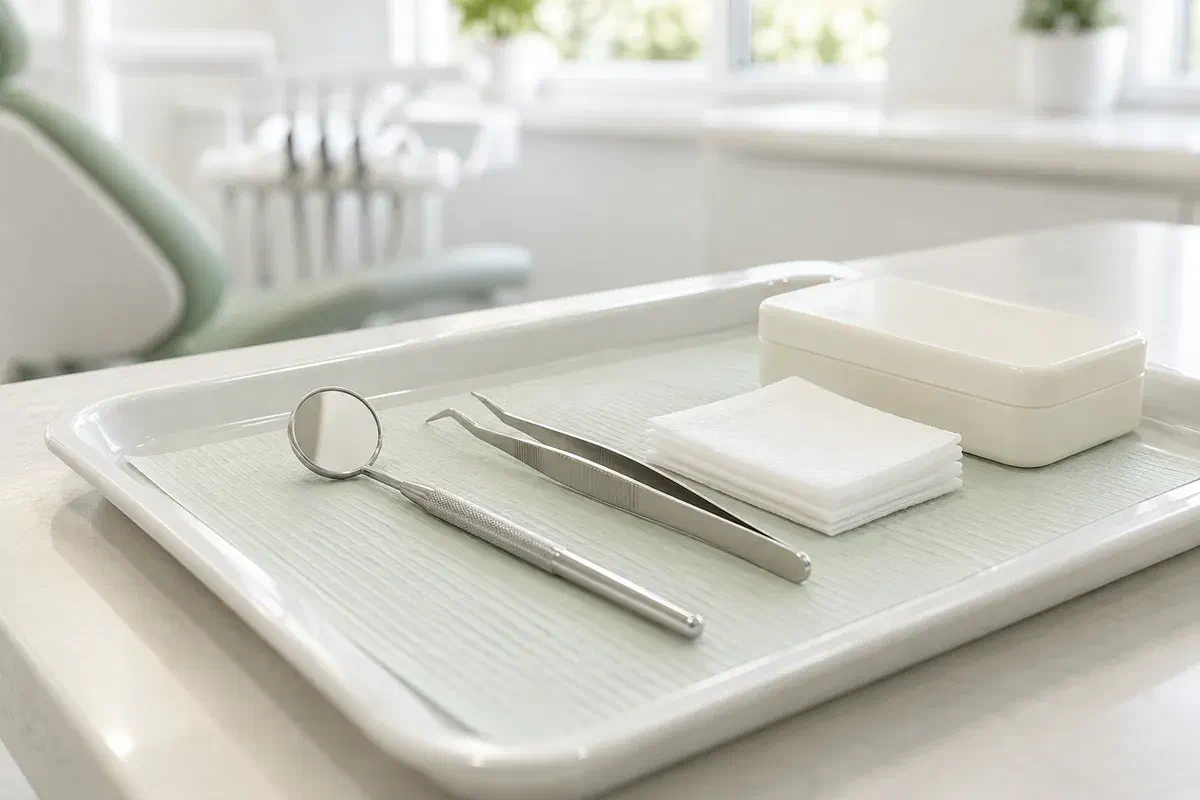
Illustrative prepared dental tray with a mirror, tweezers, and clean gauze
Why people call

The problems that tend to bring an urgent visit

Beyond severity, tell us how the problem started, where it is, what it affects, any visible change, and treatment you have had recently. This shapes both the first visit and the plan that follows.

Persistent or severe pain

Let us know whether the pain is interfering with eating, sleep, or work and what you have taken. Is it throbbing, sharp when chewing, or triggered by temperature? Medicine may take the edge off for a time, but it leaves the cause untouched.

Swelling, especially if it is growing

Describe where the swelling started, whether it is spreading, and whether fever, feeling unwell, or difficulty opening your mouth has developed. These signs affect where you should be seen first, so please mention them before a routine booking.

A broken tooth, lost restoration, or mouth injury

Tell us if a tooth has cracked or chipped, a crown or filling has dislodged, or a blow has moved a tooth. Keep any fragment and bring it. When a permanent tooth has been knocked out, get emergency dental care immediately.

Call 911 or go to a hospital emergency department for difficulty breathing or swallowing, swelling that is spreading quickly, bleeding you cannot control, or a significant injury to the head or face. Do not wait for a callback or an email response.

Seeing the whole plan

Ask how today connects to the visits that follow.

The first step is a response that fits what was found. Ask what the treatment is meant to change, how its effect will be judged, and what the next stage will add. An explanation linked to your findings is far more useful than a general reassurance.

Also ask about the full path. Is the tooth worth keeping, and what will that take? How long will a temporary step protect it? Does part of the work belong with a specialist? Fees, the number of appointments, and any uncertainty should all be covered, even if the day started with an emergency.

Patient information: American Dental Association — medicines as temporary support for acute dental pain · American Dental Association — appropriate antibiotic use for dental pain and swelling

Treatment that targets the cause

A cracked cusp, an inflamed nerve, an infection, and injured gum or bone each call for different care. Ask which has been found. Calming the pain while leaving the cause can mean the problem returns before the plan is finished.

Medicine with a clear end point

Pain relief can help between visits but is not a substitute for treatment. Antibiotics suit only some situations. Ask what a prescription is for, how long to take it, and which appointment completes the care.

Follow-up built into the plan

Ask when each later stage should happen, what it may cost, and who will provide it. Explain travel, work, or budget limits so the schedule can be realistic. Booking the next visit before leaving makes it far more likely to happen.

Start to finish

Four stages, with the end in view from the beginning

How much happens at the urgent visit depends on the diagnosis, its complexity, the time available, and any referral. You should hear those limits, and what will follow, before you agree to treatment.

  1. Phone with what has happened

    Describe the timing, how things have changed, and any recent dental treatment or accident. Have medicines, allergies, and health conditions to hand. Let us know about nerves or communication needs so they can be planned for.

  2. Examination and recommendation

    Your history is reviewed, the area examined, and tests or images used if indicated. Ask how the results lead to the recommended care. If a specialist or other setting is needed, ask why and what should happen in the meantime.

  3. Consent, comfort, and what this visit covers

    Discuss benefits, limits, alternatives, and fees, and agree on a signal for a break. Ask directly whether today’s procedure finishes the treatment, starts it, or is temporary, and what the remaining stages will involve.

  4. Leave with the rest of the plan booked

    Review the treatment given and the steps still ahead. Ask about eating, cleaning, medicines, and warning signs. Book the next appointment or confirm the referral before leaving, rather than waiting to see if the tooth stays calm.

After your urgent appointment

Protecting the work until the plan is complete

The right care at home depends on the procedure. A temporary filling, an extraction site, and a tooth after root canal treatment each need their own approach, so ask which applies.

Treat the area with care

Ask when you can return to normal eating and cleaning, and when it is safe to use the tooth again. Until numbness wears off, avoid chewing and hot drinks. Keep hard or sticky foods away from a temporary repair.

Take medicine responsibly

Follow the label and your clinician’s instructions, and check with a pharmacist about interactions. Aspirin should never be rested against the gum or tooth. If a medicine does not suit you, call the prescriber rather than making changes yourself.

Complete every planned stage

The appointment that finishes a restoration or reviews healing is as important as the first. If the time no longer works, call to move it rather than letting it lapse. A comfortable tooth is not proof that treatment is finished.

Patient information: ADA MouthHealthy — avoiding harmful home remedies during dental emergencies

Possible approaches

Which treatment fits depends on what the examination finds

Ask why the suggested option suits your situation and what choosing another would involve, both now and over the longer term.

When keeping the tooth is a sensible aim

Restorative or nerve treatment to keep the tooth

Depending on the findings, the tooth may be rebuilt or treated from within. Ask how much structure remains, how many visits are needed, and what final protection it will require. Keeping it should be considered with its outlook explained.

When retaining the tooth would not be wise

Taking the tooth out or treating the tissue nearby

Extraction or treatment around the tooth is sometimes recommended. Ask for the reasoning and how healing usually goes. Should the tooth come out, any replacement is its own later decision, not something settled during urgent care.

When completion depends on another visit or provider

Interim steps and onward care

Temporary treatment is valuable when its limits are understood. Ask what it is holding in place, how long it is meant to last, and whom to call. A referral should leave you with a practical way to reach the remaining care.

Caledon questions about follow-up

What happens after the urgent part is over

Call to describe the problem and talk about options. These answers cover common questions, but your examination determines the treatment and its timing.

(905) 876-4488
How soon after urgent treatment do I need the follow-up?
It depends on what was done. A temporary filling may need replacing within a set period, while healing checks follow their own timeline. Ask the dentist for a specific timeframe and book it before you leave.
What happens if I miss the follow-up appointment?
Call to rebook as soon as you can. Delaying the final stage can let a temporary repair wear down or allow the underlying problem to return. Tell us if something is making the appointment hard to keep.
Can the rest of my treatment be done by my regular dentist?
Often, yes. Ask for a summary of what was done and what remains, and records can be shared with your consent. Make sure the next stage has a clear owner so it is not missed.
Is the problem solved once the pain goes away?
Not necessarily. Pain can settle while the cause still needs attention, especially with medication. Find out what remains in the plan, and keep the next appointment even if the tooth feels fine.
Can I discuss the total cost, including later visits?
Yes. Ask for the expected cost of today’s treatment and each later stage before you agree. If cost affects your decision, say so, and clinically reasonable alternatives can be explained.
Can follow-up visits be timed to cut down on trips from Caledon?
Ask whether any stages can reasonably be combined, and book appointments at times that suit your schedule. Clinical needs come first, but mentioning travel helps the team plan sensibly.
Urgent dental care for Caledon

Call to get started, and we will plan the finish together.

Let our Bronte Street practice know what is going on, whether it is a toothache, a swollen jaw, a cracked tooth, or an injury, and mention any recent dental work. We can go over current availability, the assessment, the follow-up that may be needed, and whether another provider should be involved.

Online requests are for non-urgent questions only. Treatment, scheduling, fees, completion visits, and any referral are decided after assessment and cannot be guaranteed ahead of time.

Visit Milton Dental Clinic
Unit 1, 342 Bronte St. S, Milton, ON L9T 5B7
Get directions Clinic hours
Monday–Thursday
11am–7pm
Friday–Sunday
By appointment only

Areas we serve

  • Milton
  • Oakville
  • Mississauga
  • Georgetown
  • Halton Hills
  • Acton
  • Campbellville
  • Brampton
  • Burlington
  • Puslinch
  • Rockwood
  • Erin
  • Caledon
  • Etobicoke
  • Old Milton
  • Bronte Meadows
  • Timberlea
  • Dorset Park
  • Dempsey
  • Clarke
  • Beaty
  • Coates
  • Harrison
  • Scott
  • Willmott
  • Ford
  • Bowes
  • Cobden
  • Walker
  • Mountain View
  • Milton Heights
  • Hawthorne Village
  • Valley View
  • Fallingbrook
  • Nassagaweya
  • Trafalgar
  • Esquesing
  • Nelson
  • Brookville
  • Moffat
  • Glen Williams
  • Norval
  • Limehouse
  • Stewarttown
  • Ashgrove
  • Hornby
  • Silver Creek
  • Speyside
  • Scotch Block
  • North Oakville
  • River Oaks
  • Glen Abbey
  • West Oak Trails
  • Palermo
  • Bronte Creek
  • College Park
  • Joshua Creek
  • Uptown Core
  • Preserve
  • Iroquois Ridge
  • Lisgar
  • Meadowvale
  • Meadowvale Village
  • Churchill Meadows
  • Erin Mills
  • Central Erin Mills
  • Streetsville
  • East Credit
  • Creditview
  • Heartland
  • Sheridan
  • Mount Pleasant
  • Credit Valley
  • Huttonville
  • Churchville
  • Springbrook
  • Northwest Brampton
  • Bram West
  • Fletcher's Meadow
  • Fletcher's Creek South
  • Alton Village
  • Orchard
  • Millcroft
  • Headon Forest
  • Tansley
  • Brant Hills
  • Tyandaga
  • Kilbride
  • Lowville
  • Aberfoyle
  • Morriston
  • Arkell
  • Hillsburgh
  • Freelton
  • Carlisle
  • Waterdown
  • Flamborough
  • Mountsberg

How can we help?

Milton Dental Clinic

Have a question about your smile? Choose the option that works best for you.

For urgent dental concerns, please call.
Messages are reviewed during clinic hours.