

Illustrative patient listening as a clinician explains a dental treatment plan
Specialized Care

Emergency Dental Treatment in Milton

A cracked tooth at supper or a throbbing ache that wakes you at night is reason to phone us in Milton. Tell us what changed, and we can talk through availability, the assessment, and which part of the care may happen now or later.

Urgent care, explained plainly

Today’s visit and the full repair are not always the same appointment.

Emergency dental treatment describes care chosen because a problem cannot comfortably wait: strong pain, swelling, a broken tooth, or an injury to the mouth. It covers many possible procedures rather than one. After the examination, the next step might be a repair, treatment of the tooth or the tissue around it, removal, stabilization, or a referral elsewhere.

It helps to separate two questions. What needs doing right now, and what does the tooth need over the coming weeks? An urgent appointment often handles the first and sets up the second. Knowing which is which lets you weigh the choices and protect what has been done.

For people already living in Milton, the best first move is a phone call rather than walking in. Describe what happened and when. New and returning patients can both ask what is available. If you cannot reach us and need care now, go to another emergency dental provider; an online form is the wrong channel for worsening symptoms.

Ask about an urgent visit
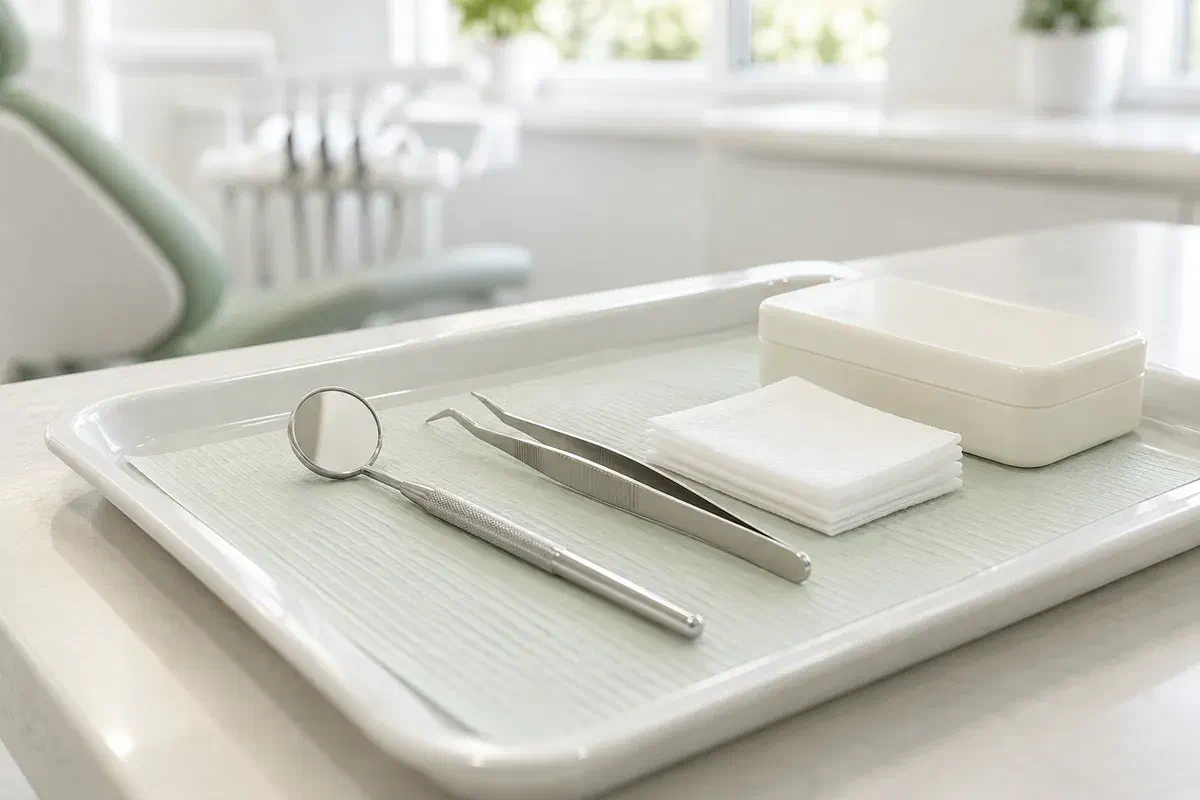
Illustrative prepared dental tray with a mirror, tweezers, and clean gauze
What to tell us on the phone

Pain that will not settle, a swollen cheek, a cracked molar

A number from one to ten only tells part of the story. Say when the problem started, where it sits, and what it stops you doing, and mention anything you can see or any dental work done recently.

Pain that is getting in the way of the day

Let us know if the pain stops you eating, sleeping, or focusing, and what you have already tried. Is it constant, only when you bite, or set off by hot or cold? More medicine on its own rarely fixes the reason it hurts.

Swelling that is growing or making you feel ill

Note where the swelling started and how fast it seems to be changing. Tell us about a fever, a general sense of feeling unwell, or trouble opening your mouth. Those details shape where you should be seen, so mention them before any regular appointment is booked.

Breakage, a lost crown, or a knock to the mouth

Say whether part of a tooth has broken off, a filling or crown has come out, or a blow has shifted a tooth. Keep any loose piece safe and bring it. An adult tooth knocked fully out is time-critical and needs emergency dental care straight away.

Trouble breathing or swallowing, swelling that is spreading quickly, bleeding you cannot stop, or a serious injury to the face or head needs 911 or a hospital emergency department. Please do not wait on an email or a return call for any of these.

Questions worth asking in the chair

Know what today’s treatment is meant to do

An urgent visit should start with a response that fits the actual finding. It is fair to ask what the treatment is supposed to change and how the dentist will know it worked. A good explanation links the procedure to what was found in your mouth, instead of offering one promise for every kind of emergency.

Practical details matter just as much. Talk about whether the tooth can sensibly be kept, what a temporary fix can and cannot do, and whether someone else should provide part of the care. Fees, the number of visits, and any uncertainty are fair topics, even on a day that went sideways.

Patient information: American Dental Association — medicines as temporary support for acute dental pain · American Dental Association — appropriate antibiotic use for dental pain and swelling

Treatment aimed at the real cause

A chipped edge, an inflamed nerve, an infection, and bruised supporting tissue can each need something quite different. Ask which of these the treatment targets. Easing the symptom without a plan for its source can leave necessary work undone.

Medicine with a clear purpose

Pain relievers can keep you more comfortable while care is being arranged, though they do not take the place of treatment the tooth needs. Antibiotics fit only certain situations. Ask what any prescription is meant to achieve and which procedure or check still has to follow.

A follow-up that fits your life

When care has to continue, ask when the next stage would be, what it is likely to cost, and who will provide it. Mention shift work, childcare, or budget limits so the options can be compared. A plan works best when you know why it matters and what it asks of you.

From the first call to the next booking

Four steps, from describing the problem to knowing what comes next

How much can be done in one visit depends on the diagnosis, how involved the work is, the time available, and whether a referral is needed. Those limits should be explained before you agree to anything.

  1. Phone with the details

    Explain when it started, how it has changed, any recent dental work, and any injury. When asked, list your medicines, allergies, and health conditions. If you feel anxious or need communication support, say so.

  2. Examination and a recommendation

    The dentist reviews your history, looks closely at the area, and uses tests or X-rays where they are needed. Ask how those findings lead to the suggested treatment. If another setting or a specialist would be better, ask why and what the immediate step should be.

  3. Consent, comfort, and the limits of the visit

    Go over the benefits, drawbacks, alternatives, and fees. Agree on a signal for when you need a break. Check whether the procedure finishes the treatment, starts it, or is only a temporary measure, so you know exactly what this appointment is for.

  4. Aftercare and the outstanding work

    Before you go, review what was done and what is still left. Ask about eating, brushing, medicines, and which symptoms should prompt a call. Leave with the next appointment or referral confirmed, rather than hoping the tooth simply stays quiet.

Once you are home

Look after the treated tooth and keep the follow-up on the calendar

The right aftercare depends on what was actually done. Advice after a temporary filling differs from advice after an extraction or treatment inside a tooth, so ask if anything is unclear.

Care for the area as instructed

Find out when you can eat, brush, and use the tooth or appliance normally again. If you were numbed, avoid biting your cheek or burning yourself with hot drinks until feeling returns. Do not test a repair on hard food just because the pain has gone.

Take medicine safely and speak up about problems

Follow the package directions and the clinician’s advice, and ask a pharmacist about interactions. Never place aspirin against a sore tooth or gum. If you cannot take a medicine or it causes a reaction, contact the prescriber rather than trying something else alone.

Return for the visits that finish the job

Keep the appointment that completes a restoration, checks healing, or carries on the next stage. If the time no longer works, call to rearrange it. Feeling better can make a follow-up seem optional, yet comfort alone does not mean the dental work is complete.

Patient information: ADA MouthHealthy — avoiding harmful home remedies during dental emergencies

Matching treatment to the finding

Calling it an emergency does not settle which treatment fits

Ask why one approach suits your diagnosis and what choosing another would mean. Both the problem in front of you and the long-term health of the tooth deserve weight.

When a restorative or endodontic route is reasonable

Saving the tooth with a repair or root treatment

Based on what is found, a filling or treatment inside the tooth may be offered. Ask how much healthy tooth remains, how many stages to expect, and what final protection it will need. Keeping it is worth weighing with its outlook explained honestly.

When keeping the tooth is not the sound choice

Extraction or treatment of the affected tissue

In some cases, removing the tooth or treating the surrounding tissue is advised. Ask why, and what healing will look like. If a tooth comes out, options for replacing it can be talked about on another day rather than folded into the urgent procedure.

When the final treatment needs another visit or provider

A temporary measure or a referral

Short-term management can be valuable when its limits and next steps are spelled out. Ask what it protects, how long it should last, and who to call. A referral should come with a clear path to the remaining care.

Common questions from local callers

What people in Milton ask when something goes wrong

Phone us to talk about the problem and appointment options. These answers cover frequent decisions, but only an examination can confirm the treatment and how urgent it is for you.

(905) 876-4488
I broke a tooth during dinner but it doesn’t hurt. Should I still call?
Yes. A painless break can still leave a sharp edge, exposed inner layers, or a weakened tooth that may crack further. Call and describe what you see, and avoid chewing on that side until it has been checked.
What should I bring to an urgent appointment?
Bring a list of current medicines and allergies, any health information the team requests, and details of recent dental treatment. If a piece of tooth or a crown came off, bring that too. It helps the dentist plan safely.
Will I need X-rays during an emergency visit?
Often, but not always. The dentist decides which tests or images are indicated by your symptoms and the examination. Ask what an image is meant to show and how the result will affect the recommendation. Mention pregnancy or recent imaging elsewhere before any is taken.
Is pulling the tooth the quickest way to stop the pain?
Removal is one option, not an automatic one. Depending on the diagnosis, repairing the tooth or treating it from inside may allow you to keep it. Ask why each option is suggested and what it would mean for your mouth in the longer run.
Can I get a price estimate before treatment begins?
Yes. You can ask what the assessment, the proposed procedure, and any later stages are expected to cost. If cost is a concern, say so, and clinically reasonable alternatives can be explained. Being in pain does not mean skipping a clear conversation about the plan.
Can I be seen on a Friday or over the weekend?
Friday to Sunday visits are by appointment only, and round-the-clock care is not offered. Call to ask what is possible. If you need immediate dental care and cannot reach us, contact another emergency provider, and use hospital care for the warning signs listed above.
Urgent dental care in Milton

Pick up the phone first, and we will work out the next step together.

Call our Bronte Street practice about pain, swelling, a broken tooth, or an injury. Walk us through the symptoms and any recent dental work. We can go over current availability and the assessment, including whether part of the care should come from another provider.

Online requests suit non-urgent messages only. The choice of treatment, appointment times, fees, follow-up visits, and referrals all depend on assessment and cannot be promised ahead of time.

Visit Milton Dental Clinic
Unit 1, 342 Bronte St. S, Milton, ON L9T 5B7
Get directions Clinic hours
Monday–Thursday
11am–7pm
Friday–Sunday
By appointment only

Areas we serve

  • Milton
  • Oakville
  • Mississauga
  • Georgetown
  • Halton Hills
  • Acton
  • Campbellville
  • Brampton
  • Burlington
  • Puslinch
  • Rockwood
  • Erin
  • Caledon
  • Etobicoke
  • Old Milton
  • Bronte Meadows
  • Timberlea
  • Dorset Park
  • Dempsey
  • Clarke
  • Beaty
  • Coates
  • Harrison
  • Scott
  • Willmott
  • Ford
  • Bowes
  • Cobden
  • Walker
  • Mountain View
  • Milton Heights
  • Hawthorne Village
  • Valley View
  • Fallingbrook
  • Nassagaweya
  • Trafalgar
  • Esquesing
  • Nelson
  • Brookville
  • Moffat
  • Glen Williams
  • Norval
  • Limehouse
  • Stewarttown
  • Ashgrove
  • Hornby
  • Silver Creek
  • Speyside
  • Scotch Block
  • North Oakville
  • River Oaks
  • Glen Abbey
  • West Oak Trails
  • Palermo
  • Bronte Creek
  • College Park
  • Joshua Creek
  • Uptown Core
  • Preserve
  • Iroquois Ridge
  • Lisgar
  • Meadowvale
  • Meadowvale Village
  • Churchill Meadows
  • Erin Mills
  • Central Erin Mills
  • Streetsville
  • East Credit
  • Creditview
  • Heartland
  • Sheridan
  • Mount Pleasant
  • Credit Valley
  • Huttonville
  • Churchville
  • Springbrook
  • Northwest Brampton
  • Bram West
  • Fletcher's Meadow
  • Fletcher's Creek South
  • Alton Village
  • Orchard
  • Millcroft
  • Headon Forest
  • Tansley
  • Brant Hills
  • Tyandaga
  • Kilbride
  • Lowville
  • Aberfoyle
  • Morriston
  • Arkell
  • Hillsburgh
  • Freelton
  • Carlisle
  • Waterdown
  • Flamborough
  • Mountsberg

How can we help?

Milton Dental Clinic

Have a question about your smile? Choose the option that works best for you.

For urgent dental concerns, please call.
Messages are reviewed during clinic hours.