

Illustrative patient discussing urgent treatment choices with a dental clinician
Specialized Care

Emergency Tooth Extractions

A painful or badly damaged tooth needs assessment before removal is chosen. Call about emergency tooth extractions in Milton to discuss urgency, alternatives, appointment availability, and the care needed before and after the procedure.

A closer look at emergency tooth extractions

Understand why removal is being considered before making the decision.

An emergency extraction removes a tooth when the examination supports removal as appropriate urgent care. Severe discomfort can make that option feel like the obvious answer, but pain alone does not establish whether a tooth should be taken out. Its condition, support, restorability, and the source of the symptoms all need consideration.

The conversation should explain why extraction is recommended and whether a reasonable option for retaining the tooth exists. If removal is appropriate, the dentist also considers the difficulty of the procedure, your health, and the setting needed. Some teeth can be managed at the practice; others may require a surgical referral.

Call Milton Dental Clinic about the symptoms and current assessment availability. Tell us if another dentist has already recommended removal and bring any relevant records. We can discuss the next step without assuming that an urgent appointment automatically means an extraction will be performed during that visit.

Discuss an urgent extraction assessment
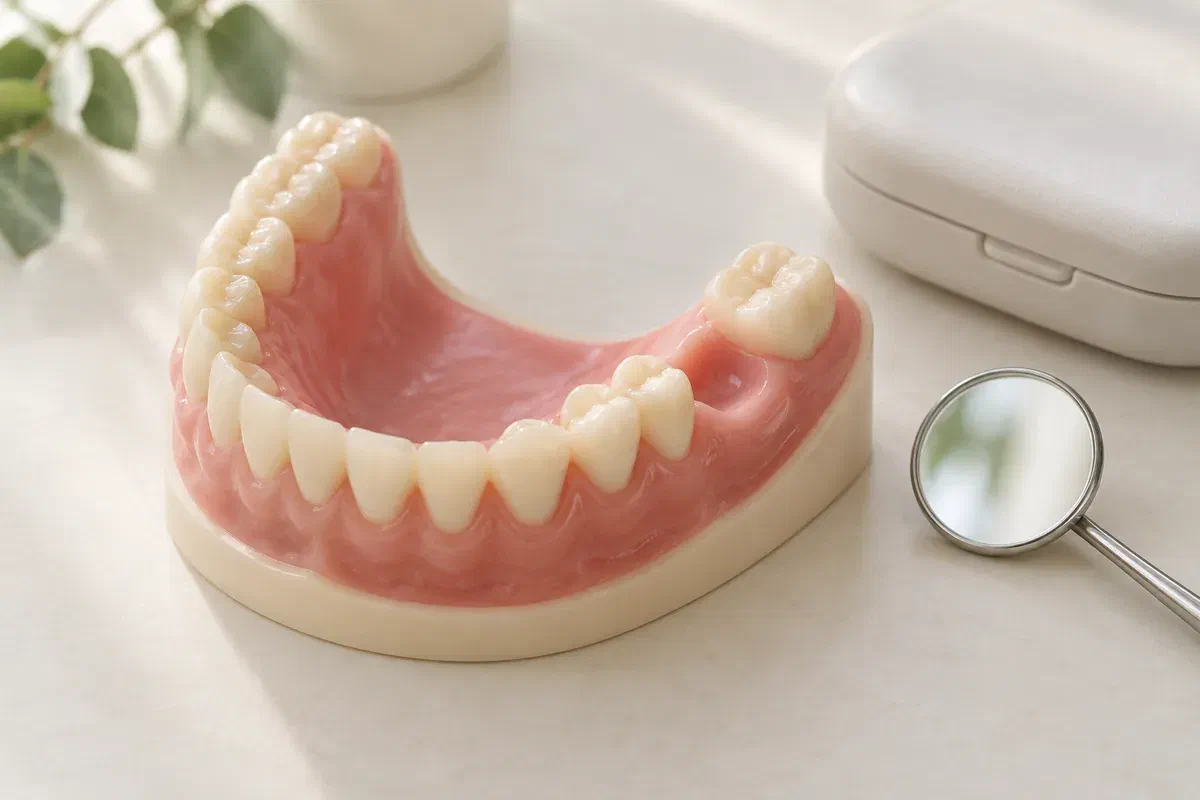
Illustrative dental arch model with a missing back tooth beside a dental mirror
Information that shapes the decision

Explain the tooth concern and the health details that affect treatment.

An extraction plan needs more than the name of the painful tooth. Share the timeline, earlier treatment, medicines, and any difficulties with previous dental procedures before care is arranged.

Damage or a tooth that has been difficult to restore

Explain any breakage, repeated repairs, or previous advice about the tooth's prospects. Ask what the present examination shows about retaining it. An older recommendation is useful history, but the clinician still needs to assess the current condition and confirm the appropriate plan.

Pain, swelling, or an infection concern

Describe the symptoms and whether they are changing or affecting your general health. A suspected infection needs timely assessment, but its presence does not by itself decide between extraction and another treatment. Tell the team about medicines already prescribed and any response to them.

Medical conditions or medicines that need planning

Provide a current medication list, allergies, and relevant treatment history. Mention blood-thinning medicines and any previous bleeding difficulty. Do not stop or alter prescribed medication yourself to prepare for an extraction; the dental team should advise or coordinate with the prescriber when necessary.

Trouble breathing or swallowing, substantial spreading swelling, or uncontrolled heavy bleeding requires immediate medical attention. Call 911 or seek hospital emergency care rather than waiting for a routine dental response.

What an extraction consultation should clarify

Address the problem with an informed decision and a practical recovery plan.

When a tooth cannot reasonably be retained, removal may address the source of the diagnosed problem. Ask what improvement is expected and what other care remains necessary. The decision should be explained in relation to that tooth rather than presented as the automatic response to an emergency visit.

You should also know what the procedure and recovery involve. Discuss the relevant risks, comfort arrangements, costs, and any referral needs. If a replacement will later be considered, ask how the extraction affects that discussion without assuming a particular replacement must be selected immediately.

Patient information: Royal Cornwall Hospitals — dental extraction risks and recovery

A comparison with suitable alternatives

Ask whether restoration, root canal care, or another approach is clinically reasonable and why it is or is not recommended. The explanation should account for prognosis and the work required afterward. A painful day should not leave you unclear about why a permanent decision was made.

Risks related to the actual tooth

The clinician can explain bleeding, healing difficulties, and any location-specific concerns, such as nearby nerves or the sinus. Ask which risks matter in your case and whether they change the recommended provider or technique. Not every tooth carries the same procedural considerations.

Clear expectations for the first days afterward

Ask about eating, cleaning, work, and when to seek review. If you have responsibilities that make recovery difficult, mention them before treatment. Preparation is easier when the advice is specific to the procedure and anaesthetic plan rather than a general promise of a quick return to normal.

From assessment to aftercare

Confirm the decision, prepare for removal, and review the recovery instructions.

The appointment sequence depends on the tooth and your circumstances. Ask whether the proposed visit includes assessment only, removal, or preparation for referral so you know what to expect.

  1. Assess the tooth and confirm the reason for removal

    The dentist reviews the symptoms, examines the tooth, and considers indicated images and health information. Discuss alternatives and the consequences of delaying care. Confirm which tooth is involved and ask for any part of the recommendation that remains unclear to be explained.

  2. Agree on the procedure and comfort arrangements

    Review consent, fees, anaesthetic, and any need for a different setting. Local anaesthetic is commonly used to numb the area. Explain previous numbing difficulties or anxiety and agree on a signal to use if you need a pause during treatment.

  3. Remove the tooth using the appropriate approach

    The clinician uses the technique suited to the tooth and its position. Some extractions require additional surgical steps or stitches. Ask beforehand what is anticipated and how an unexpected difficulty would be managed, including whether specialist care might become necessary.

  4. Check the site and explain what happens next

    After removal, the clinician assesses the area and provides instructions for bleeding control and recovery. Confirm any review, stitch appointment, or referral that remains. Ask how to obtain advice if a concern develops after you leave the practice.

After the tooth has been removed

Protect the healing socket and follow the instructions you were given.

Your aftercare depends on the extraction, any stitches, and your health. Ask for written guidance and clarify anything that differs from instructions you received after a previous tooth removal.

Follow the bleeding-control and cleaning advice

Use the approach demonstrated for the site and avoid disturbing it with fingers or objects. Follow the timing given for rinsing and brushing near the area. If bleeding does not settle as expected, contact the treating provider for specific advice rather than repeatedly checking the socket.

Plan food, medicines, and daily activities

Follow advice about numbness, suitable food, smoking, and activity restrictions. Take medicines only as directed and ask about suitability if you have other prescriptions or health conditions. Recovery guidance should fit your treatment; do not change regular medicines without professional advice.

Report a recovery pattern that is getting worse

Call about increasing pain, new or worsening swelling, persistent bleeding, fever, or a concern about sensation. Give the extraction date and explain what changed. A difficult recovery deserves assessment rather than the assumption that every symptom is normal after removal.

Patient information: Guy's and St Thomas' — caring for the mouth after dental surgery

Choosing between retention, removal, and referral

The urgent concern should lead to the right decision for this tooth.

Ask what each option is intended to achieve and what its limits are. The treatment route should reflect the diagnosis, remaining tooth structure, support, and your informed preferences.

When a reasonable restorative option remains

Care intended to retain the tooth

A repair or endodontic treatment may be considered when the tooth can be suitably restored. Ask about the complete sequence and prognosis, including protection afterward. Retention should be evaluated on its merits rather than ruled out solely because the tooth is currently painful.

When removal is the agreed treatment

Extraction with explained aftercare

Discuss the procedure, relevant risks, and recovery before giving consent. Ask whether treatment is expected to be straightforward or involve surgical steps. The plan should also identify any review and whether later replacement choices need consideration.

When complexity or health needs affect the setting

Specialist or hospital-based assessment

Referral may be appropriate for a difficult tooth, relevant medical risks, or other clinical needs. Ask what will be sent to the receiving provider and how the appointment is arranged. Clarify what to do if the urgent symptoms worsen while awaiting that care.

Emergency extraction questions

Ask about the decision, preparation, and what follows removal.

These questions can help you prepare for a discussion. The examination determines whether extraction is appropriate and where it should be carried out.

(905) 876-4488
Can I book an emergency visit without already agreeing to have the tooth removed?
Yes. Call for assessment and explain the symptoms. The dentist should discuss the findings and suitable options before treatment is chosen. An appointment request does not itself establish that extraction is necessary or constitute consent to removal.
Does an infected tooth always have to be extracted urgently?
Not always. The diagnosis and the tooth’s prospects determine whether it can be retained or should be removed. Ask why the recommended approach is suitable and what other care may be required. Worsening infection still needs prompt attention regardless of the eventual procedure.
Should I stop my blood thinner before an emergency extraction assessment?
Do not stop or alter prescribed medicine on your own. Tell the team exactly what you take and when. They can plan appropriately and coordinate with the prescriber if needed; the assessment should account for both bleeding and the reason for the medicine.
Will pressure during a tooth extraction mean the anaesthetic is not working?
Pressure can be felt during removal, but tell the clinician if you feel pain or are unsure about a sensation. Agree on a pause signal before starting. The clinician can assess comfort and respond rather than expecting you to endure a painful procedure.
Can the clinic promise to remove any painful tooth at the first urgent visit?
No. Assessment, appointment availability, medical planning, and procedural complexity determine what is appropriate. Some cases need another visit or referral. Ask what can be addressed now and how the next step will be arranged.
Do I need to choose an implant or bridge on the day of an emergency extraction?
Not necessarily. Ask whether any time-sensitive planning is relevant, then discuss suitable replacement options separately. The decision depends on the missing tooth, surrounding mouth, healing, and your preferences. Removal does not automatically commit you to one replacement method.
Emergency tooth extractions in Milton

Start with an assessment and an explanation of your options.

Call our Bronte Street practice about a painful or damaged tooth and current appointment availability. We can discuss assessment, the reasons removal may be considered, and any referral needs. Seek another available emergency provider if immediate care is needed and we cannot be reached.

Online requests are non-urgent. Suitability for removal, procedural setting, anaesthetic, timing, fees, and recovery depend on assessment. Same-day extraction cannot be guaranteed.

Visit Milton Dental Clinic
Unit 1, 342 Bronte St. S, Milton, ON L9T 5B7
Get directions Clinic hours
Monday–Thursday
11am–7pm
Friday–Sunday
By appointment only

How can we help?

Milton Dental Clinic

Have a question about your smile? Choose the option that works best for you.

For urgent dental concerns, please call.
Messages are reviewed during clinic hours.