

Illustrative patient discussing urgent treatment choices with a dental clinician
Specialized Care

Emergency Tooth Extractions in Acton

A crunch at dinner, then half a tooth in your hand. If that has just happened in Acton, call us to describe the break. We examine what remains, explain whether it can be rebuilt or should come out, and plan the next step.

A tooth that broke without warning

One bite, one crack, and a lot of uncertainty

Teeth often break on something ordinary: a crust, an olive pit, a piece of popcorn. What is left may look alarming, and it is tempting to decide on the spot that the rest needs pulling. Appearance can mislead. How much healthy structure remains below the gum, how firmly the root is held, whether the tooth can be rebuilt, and whether the nerve is involved all shape the answer.

Extraction is the right emergency treatment when the examination shows that removal is appropriate. You should be told why, and whether a crown, root canal treatment, or another repair could reasonably save what remains. If removal goes ahead, the dentist considers how complicated it may be, especially for a tooth broken near the gum, along with your health and the right setting.

When you phone from Acton, describe exactly how it broke, whether it hurts, and whether anything sharp is bothering your tongue or cheek. Mention past work on the tooth and bring records if you have them. A same-week visit starts with assessment, not an automatic removal.

Describe the break to our team
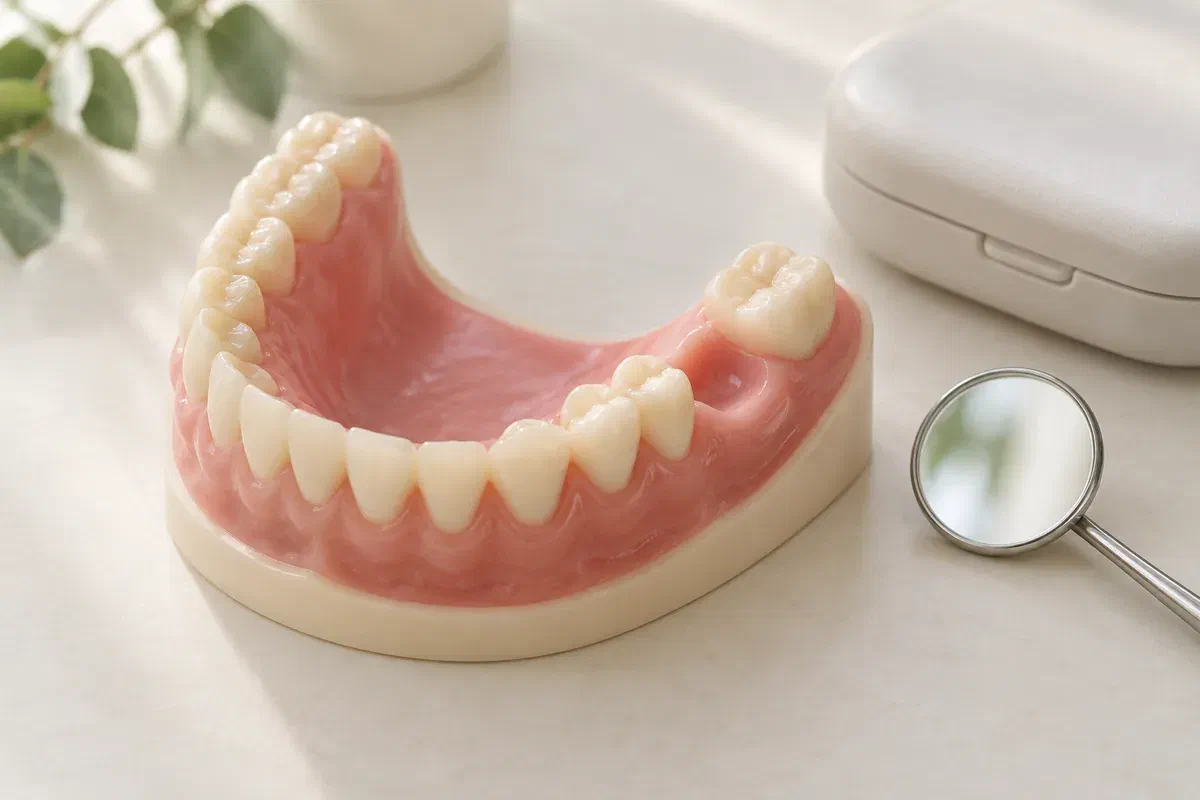
Illustrative dental arch model with a missing back tooth beside a dental mirror
Help us picture the damage

How it broke, how it feels, and what else we should know

A fractured tooth can be simple or complex, and the details matter. Explain when and how it happened, what treatment the tooth had before, your medicines, and any trouble with previous dental care.

Size and location of the break

Tell us whether a corner chipped, a large filling fell out with part of the tooth, or it snapped near the gumline. Mention any crown or root canal it had. The examination and X-rays reveal what remains and whether rebuilding is realistic.

Pain, sensitivity, or swelling afterwards

Let us know if the tooth is sensitive to air or cold, aches constantly, or if swelling has appeared. A break can expose the nerve or let infection in, which affects urgency. Symptoms alone still don't settle whether removal or another treatment is best.

Your medicines and medical history

Share your medicine and allergy list, and mention any blood thinner or previous bleeding issue. Keep taking prescriptions as usual; don't stop anything to prepare. The team will advise you and check with your prescriber if that is needed.

If a fall or blow also caused head injury, loss of consciousness, trouble breathing or swallowing, or bleeding you can't stop, seek emergency medical care immediately by calling 911.

Why a proper assessment matters

The right repair, or a well-planned removal

If too little of the tooth remains to restore it reliably, removal may address the problem. Ask what you can expect afterwards and whether other care is still needed. That advice should explain this particular fracture, so extraction is never just the assumed result of a broken tooth.

A broken tooth can be removed in different ways, and the recovery differs too. Ask about the risks in your case, comfort, fees, and whether a referral might be needed. If filling the gap could matter later, find out how removal affects your choices, but leave the replacement decision for another day.

Patient information: Royal Cornwall Hospitals — dental extraction risks and recovery

Repair options explored first

Find out whether a build-up, crown, root canal care, or another approach could save the tooth, and the honest reasons for or against each. The explanation should cover how long a repair might last and what it involves. You should understand why a permanent step is taken.

Risks for a tooth broken this way

Removing a fractured tooth may involve surgical steps, and location matters, with nerves in the lower jaw and the sinus above upper back teeth. Ask which risks apply and whether they change who should perform the extraction.

Practical guidance for the first days

Ask about eating, cleaning, work, and when to get back in touch. If something at home or work will make resting hard, say so before treatment. Specific advice for your procedure is far more useful than a general prediction.

From broken tooth to treatment

What happens once you arrive

Some broken teeth are assessed and treated in one visit; others need a second appointment or referral. When you book, ask what this appointment is set up to do.

  1. Look closely at what's left

    The dentist asks how it happened, examines the remaining tooth and gum, and takes X-rays if needed, alongside your health information. Repair, removal, and the effects of waiting are discussed. Confirm which tooth is being treated.

  2. Choose a plan and prepare for comfort

    If removal is agreed, consent, fees, anaesthetic, and setting are reviewed. Local anaesthetic is typically used. Mention numbing problems or anxiety from previous visits, and agree on a way to signal that you need a pause.

  3. Remove the remaining tooth

    A tooth broken near the gum may need surgical steps, such as gently lifting the gum or sectioning roots, and sometimes stitches. Ask what to expect and how the clinician would deal with an unexpected complication, including specialist referral.

  4. Review the site and the next steps

    The socket is checked, and you're given instructions for bleeding and protecting the area. Confirm any review or stitch removal still needed, and how to contact us if something worries you.

Healing after removal

Treat the socket gently while it heals

Your aftercare depends on how the tooth was removed, any stitches, and your overall health. Ask for written guidance, and raise anything that sounds different from what you were told last time.

Settling the bleeding

Bite on gauze or use the method shown to you, and keep fingers and tongue away from the site. Wait before rinsing or brushing close to it. If bleeding continues longer than you were told to expect, phone the treating provider for advice.

Eating and medicines

Follow guidance about numbness, soft food, smoking, and activity, and chew on the other side for a while. Take pain relief and any other medicine only as instructed, and check it is safe alongside your other prescriptions. Don't adjust regular medicines without advice.

Changes that need attention

Call if pain is increasing, swelling is new or spreading, bleeding persists, you have a fever, or feeling has not returned. Tell us the extraction date and what changed. Recovery that is heading the wrong way deserves a check.

Patient information: Guy's and St Thomas' — caring for the mouth after dental surgery

What a broken tooth might need

Rebuild it, remove it, or send it to a specialist

Ask what each choice is designed to do and where its limits are. The decision depends on the fracture, how much tooth remains, how well it is supported, and your preferences.

When enough healthy structure remains

Restoring the broken tooth

A build-up and crown, sometimes with root canal treatment, may restore a tooth that broke but still has a sound root. Ask about the sequence and how long it is likely to last. A dramatic-looking break doesn't always mean the tooth is beyond help.

When removal is the agreed choice

Extraction of what remains

Understand the procedure, risks, and healing before giving consent. Ask whether surgical steps are expected for a tooth broken near the gum. The plan should include any review and whether to discuss replacement afterwards.

When the fracture or your health is complex

Specialist or hospital care

Deep fractures, difficult roots, or medical risks may suit a specialist. Ask what information will be shared, how the appointment is arranged, and what to do if pain or swelling increases while you wait.

Broken tooth questions from Acton

Just broke a tooth? Read this first.

These general answers may help until you are seen. The examination decides whether removal is appropriate and where it should be done.

(905) 876-4488
Should I keep the piece that broke off?
You can bring it along, but it usually can’t be reattached to a back tooth. Front-tooth fragments are sometimes useful. Keep it clean in a small container and mention it when you call.
The tooth broke at the gumline. Does that mean it has to come out?
Not necessarily. Depending on what remains below the gum, a post and crown or other restoration may be possible. The examination and X-rays show whether there is enough sound tooth to work with.
If a broken tooth doesn't hurt, is it still urgent?
It should still be checked soon, as a break can expose the inner tooth or let bacteria in. Call to discuss timing. Pain, swelling, or a sharp edge injuring your mouth makes it more pressing.
What can I do about a sharp edge cutting my tongue?
Dental wax from a pharmacy can cover a sharp edge temporarily. Avoid chewing on that side and don’t try to file the tooth yourself. Call to arrange an assessment.
Can I refuse an extraction after hearing the options?
Yes. You can take time to consider the recommendation and ask questions. The dentist should explain the risks of leaving the tooth as it is, so your decision is informed.
Will I know at the first visit whether it can be saved?
Often, though some cases need more information or a specialist opinion. Ask what the examination shows, what can be done now, and how the next step will be arranged.
Acton broken-tooth appointments

Tell us how it broke. We'll take it from there.

Give our Bronte Street practice a call to explain the break and check availability. We can talk about the assessment, why extraction might be suggested, how repair could work, and whether a referral may be needed. If immediate care is required and we aren't available, contact an open emergency provider.

Online requests are for non-urgent concerns. Whether removal is suitable, plus its setting, anaesthetic, timing, fees, and recovery, is decided after examination. Same-day extraction isn't guaranteed.

Visit Milton Dental Clinic
Unit 1, 342 Bronte St. S, Milton, ON L9T 5B7
Get directions Clinic hours
Monday–Thursday
11am–7pm
Friday–Sunday
By appointment only

Areas we serve

  • Milton
  • Oakville
  • Mississauga
  • Georgetown
  • Halton Hills
  • Acton
  • Campbellville
  • Brampton
  • Burlington
  • Puslinch
  • Rockwood
  • Erin
  • Caledon
  • Etobicoke
  • Old Milton
  • Bronte Meadows
  • Timberlea
  • Dorset Park
  • Dempsey
  • Clarke
  • Beaty
  • Coates
  • Harrison
  • Scott
  • Willmott
  • Ford
  • Bowes
  • Cobden
  • Walker
  • Mountain View
  • Milton Heights
  • Hawthorne Village
  • Valley View
  • Fallingbrook
  • Nassagaweya
  • Trafalgar
  • Esquesing
  • Nelson
  • Brookville
  • Moffat
  • Glen Williams
  • Norval
  • Limehouse
  • Stewarttown
  • Ashgrove
  • Hornby
  • Silver Creek
  • Speyside
  • Scotch Block
  • North Oakville
  • River Oaks
  • Glen Abbey
  • West Oak Trails
  • Palermo
  • Bronte Creek
  • College Park
  • Joshua Creek
  • Uptown Core
  • Preserve
  • Iroquois Ridge
  • Lisgar
  • Meadowvale
  • Meadowvale Village
  • Churchill Meadows
  • Erin Mills
  • Central Erin Mills
  • Streetsville
  • East Credit
  • Creditview
  • Heartland
  • Sheridan
  • Mount Pleasant
  • Credit Valley
  • Huttonville
  • Churchville
  • Springbrook
  • Northwest Brampton
  • Bram West
  • Fletcher's Meadow
  • Fletcher's Creek South
  • Alton Village
  • Orchard
  • Millcroft
  • Headon Forest
  • Tansley
  • Brant Hills
  • Tyandaga
  • Kilbride
  • Lowville
  • Aberfoyle
  • Morriston
  • Arkell
  • Hillsburgh
  • Freelton
  • Carlisle
  • Waterdown
  • Flamborough
  • Mountsberg

How can we help?

Milton Dental Clinic

Have a question about your smile? Choose the option that works best for you.

For urgent dental concerns, please call.
Messages are reviewed during clinic hours.