

Illustrative patient discussing urgent treatment choices with a dental clinician
Specialized Care

Emergency Tooth Extractions in Erin

Some teeth are best removed by a specialist or in a hospital setting. If you are coming from Erin or Hillsburgh, we assess the tooth, explain whether it can be handled at our practice, and help you understand any referral.

Here, or with a specialist?

Sometimes the best next step is a different chair

Not every extraction suits a general dental office. A deeply impacted wisdom tooth, roots that sit close to a nerve, or a complicated medical history can point toward an oral surgeon or hospital team. Before any of that, though, the dentist must decide whether the tooth should come out, and that rests on how sound it is, the bone around it, its chances with a repair, and the real source of the symptoms.

Emergency removal is appropriate when the examination supports it. Expect an explanation of the reasons and whether saving the tooth is realistic. If extraction is needed, the dentist weighs how difficult it will be and how your health affects it, then tells you plainly whether it can be done at our practice or should be referred.

When you call from Erin, describe the problem and mention whether anyone has suggested surgical removal before. Bring X-rays or records if you have them. An urgent visit gives you an assessment; it won't automatically end with the tooth removed, and a referral may be the outcome.

Find out where your tooth should be treated
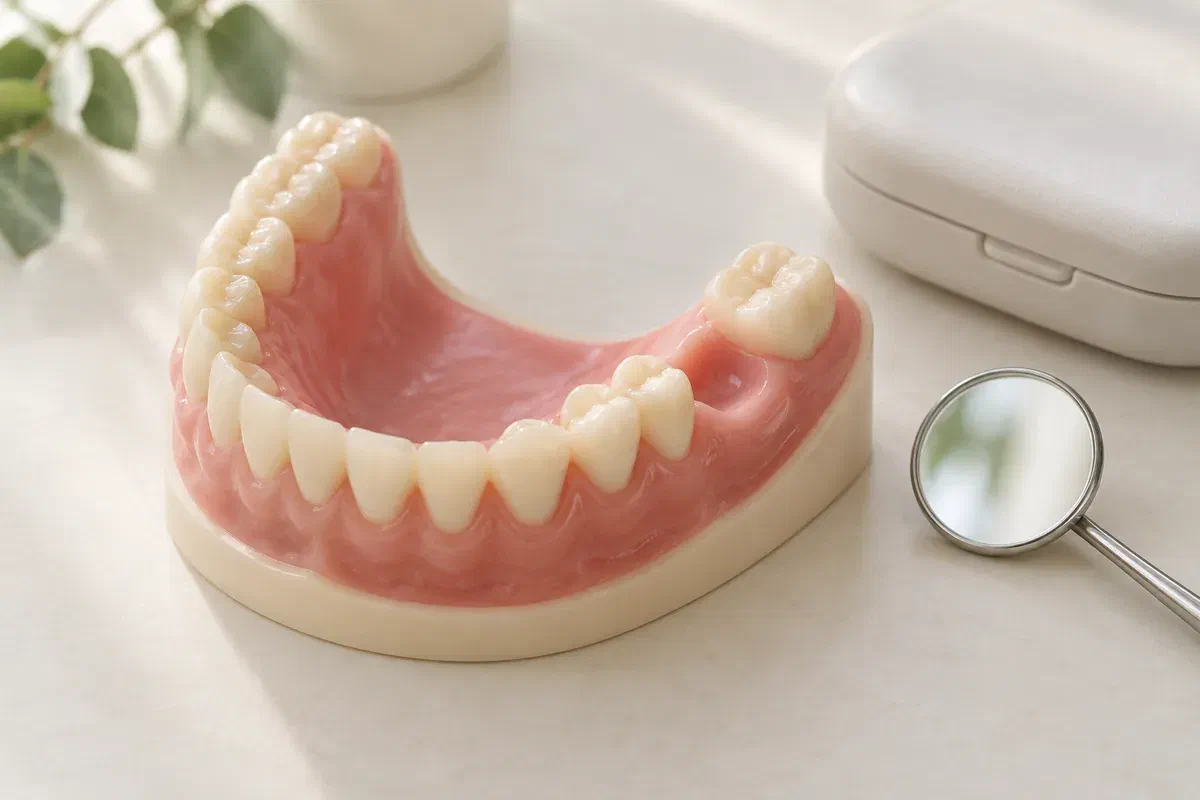
Illustrative dental arch model with a missing back tooth beside a dental mirror
What helps us judge the setting

Clues that a tooth may be more complex

Some details suggest a simple removal, others a referral. Tell us how the problem developed, what treatment the tooth has had, your medicines and health conditions, and any difficulty with past dental care.

A broken, buried, or hard-to-reach tooth

Let us know if the tooth has snapped below the gum, hasn't fully come through, or has been hard to treat before. The examination and X-rays show its shape and position, which help decide both whether to remove it and where.

Pain, swelling, and how you feel

Explain whether swelling is growing and whether you feel feverish or unwell. Significant infection can affect both urgency and setting. It doesn't on its own decide between removing and treating the tooth, so mention any prescriptions you've already started.

Health factors that change the plan

Share your medicines, allergies, and conditions, especially blood thinners, past heavy bleeding, or anything that has needed hospital care. Don't stop or alter prescriptions yourself. The team will advise and coordinate with your prescriber or the receiving specialist.

Waiting for a referral is never a reason to ignore danger signs. Spreading swelling, difficulty breathing or swallowing, or bleeding that won't stop needs emergency medical attention: dial 911 or attend an emergency room.

The point of the first assessment

A decision about the tooth, and about who should treat it

If a tooth can't reasonably be kept, removing it may resolve the diagnosed problem. Ask what should improve and what other care may follow. The case for extraction should be made for this tooth, not assumed because the visit was urgent.

Knowing the setting early saves confusion later. Discuss the risks for your case, how comfort would be managed, fees here or elsewhere, and how a referral works. If replacement could matter later, ask how removal affects it, but that choice can wait until you've healed.

Patient information: Royal Cornwall Hospitals — dental extraction risks and recovery

Every reasonable alternative

Ask whether restoration or root canal care is a sensible option, or whether that too would need a specialist. Find out why each route is or isn't advised, and what follow-up it requires. You should understand why a permanent step is chosen.

Risks that point to a particular setting

Bleeding, healing problems, and anatomy such as nerves or the sinus vary by tooth. Ask which apply, and whether they're the reason for suggesting a referral. Knowing the specific concern makes the recommendation easier to accept or question.

A clear picture of recovery

Ask what eating, cleaning, work, and follow-up will look like, whoever removes the tooth. Mention anything that makes rest difficult. Advice tied to the actual procedure and anaesthetic is more helpful than a general reassurance.

How it unfolds

From the first exam to the right treatment room

Your visit could lead to removal here, a later appointment, or a referral. Ask at booking what this appointment is for, so you can plan the day from Erin.

  1. Examine and diagnose

    Your symptoms, the tooth, and any needed X-rays and health information are reviewed. Options, including leaving the tooth for now, are discussed with their risks. Make sure you're clear which tooth is involved.

  2. Decide on the setting and consent

    If removal is agreed, the dentist confirms whether it can be done here. Consent, fees, and anaesthetic are reviewed; local anaesthetic is commonly used. Mention numbing difficulties or anxiety, and agree on a signal to pause.

  3. Remove the tooth or arrange referral

    When treatment happens here, the technique suits the tooth, and some removals need surgical steps or stitches. If complications arise mid-procedure, the clinician will explain the options, which may include completing care with a specialist.

  4. Explain aftercare or the waiting period

    After removal, the site is checked and recovery instructions are given. If you've been referred, you'll learn what has been sent, how booking works, and how to manage symptoms until then.

Recovering in Erin

Look after the socket and keep the lines of contact open

Instructions depend on who removed the tooth, how, any stitches, and your health. Keep the written guidance, and know which provider to call if a problem appears.

Bleeding and cleaning

Use the pressure technique shown, and avoid touching the socket. Leave rinsing and brushing nearby until the stated time. If bleeding hasn't eased as expected, ring whichever provider treated you for advice rather than checking repeatedly.

Diet, medicines, and activity

Follow guidance about numbness, soft foods, smoking, and exertion. Take medicine only as directed, and check its suitability with your other prescriptions. Don't change your regular medicines without professional advice.

When symptoms head the wrong way

Call about rising pain, new or growing swelling, ongoing bleeding, fever, or changed sensation. Quote the extraction date and describe what changed. A recovery that's getting harder needs checking.

Patient information: Guy's and St Thomas' — caring for the mouth after dental surgery

Where the plan might lead

Three outcomes from an urgent assessment

Ask what each route is meant to achieve and where it falls short. The decision should follow the diagnosis, remaining tooth, support, your health, and your informed preferences.

When restoration remains sensible

Keep and treat the tooth

With enough healthy structure, root canal treatment or a repair might preserve the tooth. Ask about the full sequence, the number of visits, and its outlook, including any crown it would need. Pain today isn't a reason on its own to rule this out.

When extraction is agreed and suits this setting

Removal at our practice

Understand the procedure, its risks, and recovery before consenting. Ask whether surgical steps are anticipated. The plan should note any review and when replacement might be discussed.

When complexity or your health calls for it

Referral to an oral surgeon or hospital

Difficult anatomy, significant infection, or medical needs may make another setting safer. Ask what information goes with the referral, how the appointment is made, and who to call if symptoms worsen before it.

Referral questions

If your extraction needs a specialist

These general answers explain how referral often works. Your own examination determines what kind of care you need and who should provide it.

(905) 876-4488
Why would my extraction be sent to a specialist?
Common reasons include a tooth that is impacted or broken below the gum, roots near a nerve or the sinus, significant infection, or medical needs that call for more support. The dentist should tell you the specific reason.
How long does a referral take?
It depends on the receiving clinic and how urgent your case is. We can’t promise a date for another provider. Ask how the referral is marked, who to contact for updates, and what to do if you haven’t heard anything within the time you were told to expect.
What can I do about pain while I wait for the specialist?
Use pain relief only as directed and ask whether it suits your other medicines. Avoid chewing on that side. If pain becomes uncontrolled or swelling spreads, seek urgent care rather than waiting.
Will the specialist charge separately?
Specialists usually set their own fees, and they may also need their own consultation before treatment. Ask the receiving clinic for an estimate when they contact you. Our own fees for the assessment and any X-rays will be explained separately, before work begins.
Can I ask to be referred somewhere particular?
You can ask about options, and we’ll explain what’s suitable for your situation. Urgency and the type of care needed may limit the choice. If travel is a factor for you, say so, since it is reasonable to weigh where follow-up visits would take place too.
If my tooth can be done here, will it come out at the first visit?
Not always. Time, medical planning, and the procedure’s complexity decide that. Ask what can be done now and how the next step will be scheduled.
Erin emergency extraction assessments

We'll tell you honestly where the tooth is best treated.

Call our Bronte Street practice to explain the tooth and ask what availability we have. We can go over the assessment, why removal might be considered, and whether a referral is likely. If you need immediate help and we aren't reachable, contact an emergency provider who is.

Online requests are not monitored for emergencies. Whether removal is right, where it happens, the anaesthetic, timing, fees, and recovery are decided after examination. Same-day extraction isn't promised.

Visit Milton Dental Clinic
Unit 1, 342 Bronte St. S, Milton, ON L9T 5B7
Get directions Clinic hours
Monday–Thursday
11am–7pm
Friday–Sunday
By appointment only

Areas we serve

  • Milton
  • Oakville
  • Mississauga
  • Georgetown
  • Halton Hills
  • Acton
  • Campbellville
  • Brampton
  • Burlington
  • Puslinch
  • Rockwood
  • Erin
  • Caledon
  • Etobicoke
  • Old Milton
  • Bronte Meadows
  • Timberlea
  • Dorset Park
  • Dempsey
  • Clarke
  • Beaty
  • Coates
  • Harrison
  • Scott
  • Willmott
  • Ford
  • Bowes
  • Cobden
  • Walker
  • Mountain View
  • Milton Heights
  • Hawthorne Village
  • Valley View
  • Fallingbrook
  • Nassagaweya
  • Trafalgar
  • Esquesing
  • Nelson
  • Brookville
  • Moffat
  • Glen Williams
  • Norval
  • Limehouse
  • Stewarttown
  • Ashgrove
  • Hornby
  • Silver Creek
  • Speyside
  • Scotch Block
  • North Oakville
  • River Oaks
  • Glen Abbey
  • West Oak Trails
  • Palermo
  • Bronte Creek
  • College Park
  • Joshua Creek
  • Uptown Core
  • Preserve
  • Iroquois Ridge
  • Lisgar
  • Meadowvale
  • Meadowvale Village
  • Churchill Meadows
  • Erin Mills
  • Central Erin Mills
  • Streetsville
  • East Credit
  • Creditview
  • Heartland
  • Sheridan
  • Mount Pleasant
  • Credit Valley
  • Huttonville
  • Churchville
  • Springbrook
  • Northwest Brampton
  • Bram West
  • Fletcher's Meadow
  • Fletcher's Creek South
  • Alton Village
  • Orchard
  • Millcroft
  • Headon Forest
  • Tansley
  • Brant Hills
  • Tyandaga
  • Kilbride
  • Lowville
  • Aberfoyle
  • Morriston
  • Arkell
  • Hillsburgh
  • Freelton
  • Carlisle
  • Waterdown
  • Flamborough
  • Mountsberg

How can we help?

Milton Dental Clinic

Have a question about your smile? Choose the option that works best for you.

For urgent dental concerns, please call.
Messages are reviewed during clinic hours.