

Illustrative patient discussing urgent treatment choices with a dental clinician
Specialized Care

Emergency Tooth Extractions in Etobicoke

When the trip is a longer one, planning matters as much as the procedure. For people coming from Etobicoke, we talk on the phone first, assess whether the tooth really needs to come out, and organise care to keep visits few and purposeful.

Planning a longer trip for urgent care

Should you set out now, or call first?

Call first, every time. A short conversation helps us understand how urgent things are, what the visit might involve, and whether you would be better served by care closer to home. It also sets expectations: a severe toothache can make extraction feel inevitable, yet the decision rests on the tooth's condition and support, whether it can be restored, and what is genuinely producing the pain.

Removal in an emergency is appropriate when the examination supports it. Before then, you should hear why it is being suggested and whether keeping the tooth is a reasonable possibility. If removal is the plan, its likely complexity and your health shape where it happens, and some teeth are better handled through a surgical referral.

From Etobicoke, it helps to send or bring any records and tell us about earlier advice. Ask what the first appointment is meant to cover so the trip is worthwhile. An urgent visit is an assessment and is not a promise that the tooth will be taken out that day.

Phone before you travel
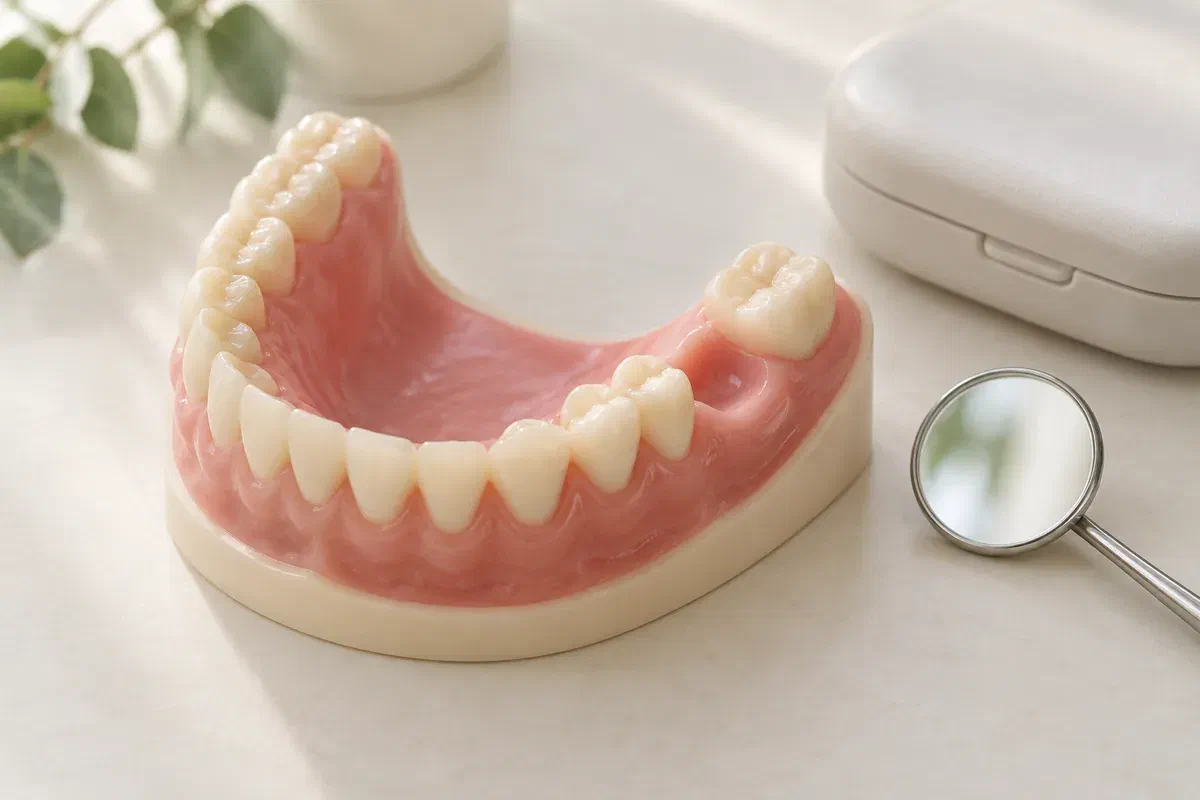
Illustrative dental arch model with a missing back tooth beside a dental mirror
Information to give us up front

The more we know before you arrive, the more the visit can achieve

With a longer journey involved, details shared on the phone help us prepare. Tell us how the tooth has behaved, what treatment it has had, which medicines you take, and anything that has complicated dental care before.

Fractures, failed fillings, or a doubtful tooth

Explain what broke or wore away and whether another dentist has questioned the tooth's future. That history guides our preparation. Even so, the examination on the day shows its present condition and whether keeping it is realistic.

Pain, swelling, and how you feel overall

Tell us whether symptoms are building or easing and whether you feel feverish or unwell. Possible infection needs timely care, and if it is worsening fast, a closer provider may be the safer choice. Infection alone does not decide between removal and other treatment.

Medicines and medical history

Share your medication list, allergies, and any history of bleeding after procedures, especially if you take a blood thinner. Keep taking prescribed medicine as directed. We will advise you and, where it is needed, coordinate with your prescriber before the appointment.

Don't make a long trip with rapidly spreading swelling, difficulty breathing or swallowing, or bleeding that will not stop. Call 911 or go to the nearest hospital emergency department.

Making each visit count

Clear decisions now mean fewer return trips later

Removal may resolve the diagnosed problem when a tooth cannot reasonably be kept. You should still learn what is expected to improve and what further treatment might follow, so you can plan any future visits. An extraction should be justified by this tooth's condition, not assumed because the appointment was urgent.

Knowing the full picture ahead of time saves surprises. Cover the relevant risks, comfort arrangements, fees, and the chance of referral. If a replacement may be considered later, ask how removal affects that; the choice itself can wait for a calmer appointment.

Patient information: Royal Cornwall Hospitals — dental extraction risks and recovery

Options explained before you commit

Find out whether restoring the tooth or root canal treatment is a sensible option, and the reasons for or against it. Ask how many visits each route would involve. That matters more when every appointment means a longer trip.

Risks specific to your tooth

Bleeding, healing setbacks, and position-related issues such as nerves or the sinus vary. Ask which ones apply to you and whether they point toward a different provider or approach. It's better to know before you make the journey.

A recovery plan that works at home

Ask about food, cleaning, work, and exactly when to call. Since you will be recovering some way from the practice, also ask what signs would justify seeing someone closer. Advice specific to your procedure and anaesthetic is the most useful kind.

On the day

Here's how the appointment is organised

One visit may cover assessment and removal, or the extraction may need a second appointment or referral. Ask which is most likely before you set out.

  1. Confirming why the tooth might come out

    We review your symptoms, examine the tooth, and use X-rays and your health information where they are needed. You'll hear about alternatives and the effect of delaying. Make sure the tooth in question is clearly identified.

  2. Agreeing on the details

    Consent, fees, anaesthetic, and whether a different setting would be better are covered. Local anaesthetic usually numbs the area. Mention earlier difficulty with numbing or any anxiety, and settle on a signal for stopping.

  3. Removing the tooth

    The approach is chosen for the tooth and its position, and some need surgical steps or stitches. Ask beforehand what is likely and what would happen if the removal turned out to be more involved, including onward referral.

  4. Leaving with a plan for the trip home

    The site is checked and you receive instructions on bleeding and protecting the area. Confirm whether you need a review or stitch removal, and whether it could be combined with another visit. Note how to reach us if something comes up.

Recovering back in Etobicoke

Healing happens at home, so know the plan before you leave

Instructions vary with the extraction, stitches, and your general health. Take written guidance with you, and ask about anything that contradicts advice you received after a previous removal.

Keeping bleeding under control

Follow the pressure technique you were shown and leave the socket undisturbed. Hold off on rinsing and nearby brushing for the time given. If bleeding has not settled as expected, call us or the treating provider for guidance instead of repeatedly checking.

Food, medicines, and activity

Keep to the advice on numbness, soft foods, smoking, and exertion. Take medicine only as directed and check that it is suitable alongside anything else you take. Regular prescriptions should not be altered without professional advice.

When to call, and when to go closer

Get in touch about increasing pain, new or growing swelling, ongoing bleeding, fever, or changed sensation, and give the extraction date. If symptoms are severe or rapidly worsening, nearby urgent or emergency care may be the right first step.

Patient information: Guy's and St Thomas' — caring for the mouth after dental surgery

Three ways forward

The right route for the tooth, and for your travel

Ask what each option is meant to do and where its limits are. The choice should follow the diagnosis, the amount of tooth left, its support, and your preferences once you understand them all.

When restoration is still a fair option

Treating the tooth to keep it

A repair or root canal treatment may be possible if the tooth can be suitably rebuilt. Ask about the full sequence and the number of visits it would take. A tooth's prospects should be judged honestly, not ruled out because it is painful today.

When removal is agreed

Extraction with recovery planned

Go over the procedure, its risks, and the healing period before consenting. Find out whether the removal is likely to be simple or surgical. The plan should name any review and when replacement could be discussed.

When complexity or health needs call for it

Referral elsewhere

A difficult tooth or certain medical risks may be better managed by a specialist or hospital team, possibly closer to home. Ask what will be shared and how the booking is arranged, and what to do if symptoms worsen while you wait.

Travel and recovery questions

Practical answers for a longer trip

These general answers can help you prepare. The examination determines whether removal is suitable and where it should take place.

(905) 876-4488
Coming from Etobicoke, how can I keep the number of visits down?
Call ahead, share your symptoms and any records, and ask what the first appointment will cover. If a review is needed afterwards, ask whether it can be combined with other planned care. Urgent needs still come first.
When should I go to a closer clinic or hospital instead?
If swelling is spreading, you have trouble breathing or swallowing, bleeding won’t stop, or you feel very unwell, seek the nearest emergency care. For severe pain when we can’t see you soon, a closer dental provider may be more practical.
Is it okay to travel home soon after an extraction?
Many people travel home after a straightforward removal under local anaesthetic, but ask the team for advice on the day. If sedation is involved through a referral, someone else will need to drive you.
What does a dry socket feel like?
It often shows up as pain that worsens a few days after removal rather than easing, sometimes with an unpleasant taste. It needs assessment, so call if your pain changes in this way.
Is some oozing the next morning normal?
A little pink saliva can be expected early on, but steady or heavy bleeding is not. Use the pressure method you were shown, and call for advice if bleeding continues. Heavy uncontrolled bleeding needs emergency care.
Can the whole problem be fixed in one appointment?
Sometimes. The examination, available time, medical planning, and complexity decide what is possible. Some teeth need another visit or a referral. Ask what can be done during this trip and how the next step will be organised.
Etobicoke urgent extraction planning

Start with a phone call, then plan the trip

Call our Bronte Street practice to describe the tooth and ask about availability. We can talk through what the assessment involves, why removal might be considered, and whether a referral could be needed. Should you need immediate care and can't reach us, choose an emergency provider nearer to you.

Online requests are not emergency messages. Removal suitability, where it happens, anaesthetic, timing, cost, and healing are all determined by assessment. We cannot promise to remove a tooth on the same day.

Visit Milton Dental Clinic
Unit 1, 342 Bronte St. S, Milton, ON L9T 5B7
Get directions Clinic hours
Monday–Thursday
11am–7pm
Friday–Sunday
By appointment only

Areas we serve

  • Milton
  • Oakville
  • Mississauga
  • Georgetown
  • Halton Hills
  • Acton
  • Campbellville
  • Brampton
  • Burlington
  • Puslinch
  • Rockwood
  • Erin
  • Caledon
  • Etobicoke
  • Old Milton
  • Bronte Meadows
  • Timberlea
  • Dorset Park
  • Dempsey
  • Clarke
  • Beaty
  • Coates
  • Harrison
  • Scott
  • Willmott
  • Ford
  • Bowes
  • Cobden
  • Walker
  • Mountain View
  • Milton Heights
  • Hawthorne Village
  • Valley View
  • Fallingbrook
  • Nassagaweya
  • Trafalgar
  • Esquesing
  • Nelson
  • Brookville
  • Moffat
  • Glen Williams
  • Norval
  • Limehouse
  • Stewarttown
  • Ashgrove
  • Hornby
  • Silver Creek
  • Speyside
  • Scotch Block
  • North Oakville
  • River Oaks
  • Glen Abbey
  • West Oak Trails
  • Palermo
  • Bronte Creek
  • College Park
  • Joshua Creek
  • Uptown Core
  • Preserve
  • Iroquois Ridge
  • Lisgar
  • Meadowvale
  • Meadowvale Village
  • Churchill Meadows
  • Erin Mills
  • Central Erin Mills
  • Streetsville
  • East Credit
  • Creditview
  • Heartland
  • Sheridan
  • Mount Pleasant
  • Credit Valley
  • Huttonville
  • Churchville
  • Springbrook
  • Northwest Brampton
  • Bram West
  • Fletcher's Meadow
  • Fletcher's Creek South
  • Alton Village
  • Orchard
  • Millcroft
  • Headon Forest
  • Tansley
  • Brant Hills
  • Tyandaga
  • Kilbride
  • Lowville
  • Aberfoyle
  • Morriston
  • Arkell
  • Hillsburgh
  • Freelton
  • Carlisle
  • Waterdown
  • Flamborough
  • Mountsberg

How can we help?

Milton Dental Clinic

Have a question about your smile? Choose the option that works best for you.

For urgent dental concerns, please call.
Messages are reviewed during clinic hours.