Illustrative patient discussing urgent treatment choices with a dental clinician
Specialized Care

Emergency Tooth Extractions in Halton Hills

Swelling around a sore tooth raises two questions at once: how serious is this, and does the tooth have to go? For anyone in Halton Hills, we help sort the dental from the medical emergency, then assess whether removal is right.

When the problem is swelling

A puffy cheek is a signal. What it means takes an exam.

Waking with a swollen jaw is unsettling, and many people assume the tooth behind it must come out at once. Some swelling is a matter for a hospital, not a dental chair: if it is spreading fast or affecting breathing or swallowing, call 911. When it is a dental matter, the right treatment depends on the tooth's condition, its support, whether it can be restored, and what is driving the infection or inflammation.

Taking a tooth out is appropriate emergency care only when the examination points that way. A dentist should explain the reason and whether a realistic path to saving the tooth exists. If removal is agreed, the expected difficulty, your medical history, and the most suitable setting are weighed, and some cases are referred for surgical care.

From anywhere in Halton Hills, whether Georgetown, Acton, Glen Williams, or a smaller hamlet, call and describe the swelling: where it is, when it began, and whether it is growing. Mention earlier advice and bring records. An urgent booking leads to assessment, not an automatic extraction.


Call about a swollen tooth
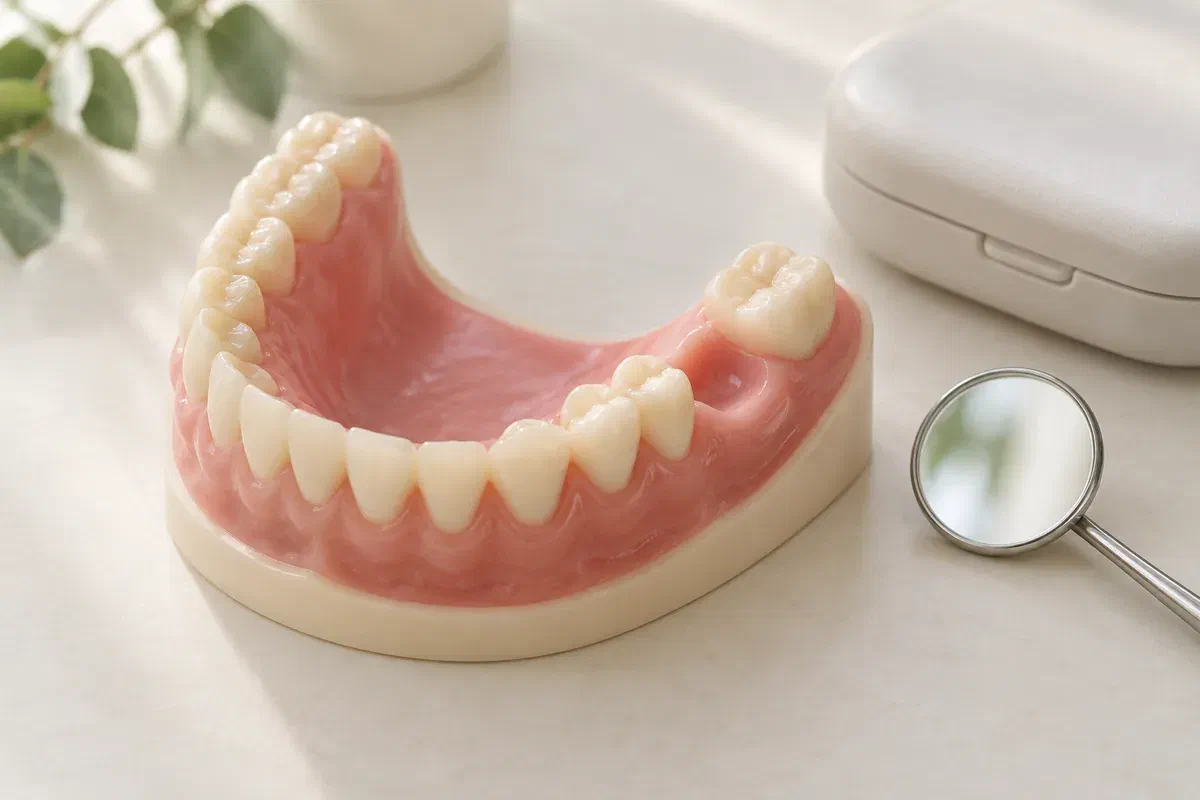
Illustrative dental arch model with a missing back tooth beside a dental mirror
Describe what you're seeing

Swelling, symptoms, and health details all guide the next step

To plan safely, the dentist needs more than the location of the pain. Explain how the problem has progressed, what treatment the tooth has had, which medicines you take, and any past complications with dental care.

A damaged or long-troubled tooth

Let us know if the tooth has broken, lost a filling, or been treated several times, and whether its future has been questioned. That background matters, although the examination determines how much sound tooth remains and whether retention is still sensible.

Swelling, throbbing, or fever

Note whether the swelling is in the gum or the face, whether it is spreading, and whether you feel hot or unwell. These details tell us how quickly you need to be seen. Infection does not settle on its own whether a tooth is removed or treated another way.

Medicines that affect treatment

Tell us about antibiotics you've already started, regular prescriptions, allergies, and any blood thinner or previous bleeding problem. Do not stop a prescribed medicine on your own. We'll advise you and work with your prescriber where it is called for.

Swelling that spreads quickly toward the eye or neck, difficulty breathing or swallowing, or heavy bleeding that won't stop needs emergency medical care now. Call 911 or go to a hospital emergency department.

Why assessment comes before removal

Treating the cause, with eyes open to the risks

When a tooth can't reasonably be kept, removing it may take away the source of the diagnosed infection or pain. It still helps to know what improvement to expect and whether further care, such as medication or follow-up, is part of the plan. That recommendation should be about your tooth, not a reflex response to swelling.

Understanding the procedure and recovery makes the decision easier. Discuss the risks for your situation, how the area will be numbed when it is inflamed, the fees, and any referral. If you may want a replacement later, ask how removal affects that, without needing to decide today.

Patient information: Royal Cornwall Hospitals — dental extraction risks and recovery

Other ways to deal with the infection

Ask whether root canal treatment, drainage, or another approach might address the cause while keeping the tooth, and why it is or isn't advised. The explanation should cover prognosis and the follow-up involved. You should know why the permanent option was chosen.

Risks linked to this tooth and its location

Bleeding, healing problems, and nearby structures such as nerves or the sinus vary from case to case, and swelling can add its own considerations. Ask which apply and whether they change where or how treatment should happen.

A recovery you can manage

Find out what to eat, how to keep the area clean, when to return to work, and when to call. Mention anything that makes rest difficult. Specific instructions for your procedure help more than an assurance that you'll feel better soon.

How we work through it

Assess the swelling, decide together, treat, and check

An inflamed tooth may need a different sequence from one that has simply broken. Ask whether your appointment is for assessment, for removal, or for arranging a referral.

  1. Finding the source of the swelling

    The dentist asks about your symptoms, examines the tooth and surrounding tissue, and reviews X-rays and health information as needed. Options and the risks of waiting are discussed. Confirm which tooth is involved before anything is decided.

  2. Deciding on treatment and comfort

    Consent, fees, anaesthetic, and whether another setting is safer are reviewed. Local anaesthetic is commonly used, though inflammation can sometimes make numbing harder, so speak up if you have struggled before. Agree on a signal to pause.

  3. Removing the tooth, if that is the plan

    The technique suits the tooth and its position. Some removals involve surgical steps or stitches. Ask in advance what is expected and what the clinician would do if it became more complicated, including referral to a specialist.

  4. Checking the site and planning follow-up

    After removal, the area is examined and you're shown how to control bleeding. Confirm any review or medication instructions, and how to reach us if the swelling does not settle the way it should.

After the extraction

Watch how the swelling behaves as you heal

Recovery instructions depend on the procedure, whether stitches were used, and your general health. Keep a written copy and query anything that differs from guidance after an earlier extraction.

Bleeding and gentle cleaning

Use the pressure method demonstrated, and leave the socket alone. Wait the recommended time before rinsing or brushing near it. If bleeding has not eased in the way you were told to expect, call the provider who treated you instead of checking repeatedly.

Medicines, meals, and rest

Follow guidance on numbness, soft foods, smoking, and activity. Finish or take any prescribed medicine exactly as directed, and ask whether it suits your other prescriptions. Don't change regular medicines without professional advice.

Swelling that grows instead of fading

Call if swelling increases or returns, pain builds, bleeding persists, you develop a fever, or numbness lingers. Give the date of removal and describe the change. A worsening recovery needs to be assessed, not assumed to be normal.

Patient information: Guy's and St Thomas' — caring for the mouth after dental surgery

Options for an infected tooth

Saving, removing, and referring each have their place

Understand what each route aims to achieve and its limitations. The choice should depend on the diagnosis, how much tooth remains, its support, and your preferences once informed.

When the tooth can still be restored

Treatment to keep the tooth

Root canal care, sometimes after the infection is managed, may be considered if the tooth can be rebuilt. Ask about the full sequence and the outlook. Swelling alone is not proof that the tooth cannot be saved.

When removal is the agreed option

Extraction with clear aftercare

Discuss the procedure, its risks, and the recovery before consenting. Ask whether the removal is expected to be routine or surgical. The plan should include any review and a note on future replacement.

When infection, complexity, or health needs require it

Specialist or hospital management

Significant infection, a difficult tooth, or medical risks may call for another setting. Ask what information will be passed along and how the appointment is made, and what to do if swelling increases before then.

Halton Hills swelling questions

What to know when your face or gum is swollen

These answers are general guidance. Your examination determines whether removal is suitable and where it should be done.

(905) 876-4488
My face is swollen. Should I call the dental office or go to hospital?
If swelling is spreading quickly, reaching the eye or neck, or making it hard to breathe or swallow, go to hospital or call 911. For milder, stable swelling, call us promptly so the tooth can be assessed.
Can a tooth be taken out while it is still infected?
Sometimes, depending on the tooth, the extent of infection, and your health. In other cases the dentist may recommend managing the infection first. The examination guides that decision, and you should hear the reasoning.
Do I need antibiotics before an extraction?
Not always. Antibiotics are prescribed when the clinical situation calls for them, not routinely. Take any that are prescribed exactly as directed, and tell us about any you already started elsewhere.
Is some swelling normal after a tooth is removed?
Some swelling in the first day or two can be part of normal healing, depending on the procedure. Swelling that increases after that, returns, or comes with fever should be reported promptly.
Should I go ahead with removal if I have a fever?
Mention the fever when you call, as it affects how urgently you should be seen and where. A high fever with spreading swelling or feeling very unwell needs emergency medical care.
Will the numbing work if the area is inflamed?
Inflammation can sometimes make numbing less effective. Tell the clinician if you still feel sharp pain, and use your agreed signal. They can assess and respond rather than expecting you to continue through pain.
Urgent extractions for Halton Hills

Swelling first, decisions second

Phone our Bronte Street practice to describe the swelling and the tooth, and ask what availability we have. We can explain the assessment, why extraction might be considered, and whether referral is likely. If you need help right away and our phone isn't answered, contact the nearest emergency service.

Online requests are not reviewed as emergencies. Whether a tooth should come out, the setting, anaesthetic, timing, cost, and recovery are decided only after we examine you. Same-day removal isn't guaranteed.

Visit Milton Dental Clinic
Unit 1, 342 Bronte St. S, Milton, ON L9T 5B7
Get directions Clinic hours
Monday–Thursday
11am–7pm
Friday–Sunday
By appointment only

Areas we serve

  • Milton
  • Oakville
  • Mississauga
  • Georgetown
  • Halton Hills
  • Acton
  • Campbellville
  • Brampton
  • Burlington
  • Puslinch
  • Rockwood
  • Erin
  • Caledon
  • Etobicoke
  • Old Milton
  • Bronte Meadows
  • Timberlea
  • Dorset Park
  • Dempsey
  • Clarke
  • Beaty
  • Coates
  • Harrison
  • Scott
  • Willmott
  • Ford
  • Bowes
  • Cobden
  • Walker
  • Mountain View
  • Milton Heights
  • Hawthorne Village
  • Valley View
  • Fallingbrook
  • Nassagaweya
  • Trafalgar
  • Esquesing
  • Nelson
  • Brookville
  • Moffat
  • Glen Williams
  • Norval
  • Limehouse
  • Stewarttown
  • Ashgrove
  • Hornby
  • Silver Creek
  • Speyside
  • Scotch Block
  • North Oakville
  • River Oaks
  • Glen Abbey
  • West Oak Trails
  • Palermo
  • Bronte Creek
  • College Park
  • Joshua Creek
  • Uptown Core
  • Preserve
  • Iroquois Ridge
  • Lisgar
  • Meadowvale
  • Meadowvale Village
  • Churchill Meadows
  • Erin Mills
  • Central Erin Mills
  • Streetsville
  • East Credit
  • Creditview
  • Heartland
  • Sheridan
  • Mount Pleasant
  • Credit Valley
  • Huttonville
  • Churchville
  • Springbrook
  • Northwest Brampton
  • Bram West
  • Fletcher's Meadow
  • Fletcher's Creek South
  • Alton Village
  • Orchard
  • Millcroft
  • Headon Forest
  • Tansley
  • Brant Hills
  • Tyandaga
  • Kilbride
  • Lowville
  • Aberfoyle
  • Morriston
  • Arkell
  • Hillsburgh
  • Freelton
  • Carlisle
  • Waterdown
  • Flamborough
  • Mountsberg

How can we help?

Milton Dental Clinic

Have a question about your smile? Choose the option that works best for you.

For urgent dental concerns, please call.
Messages are reviewed during clinic hours.