

Illustrative patient discussing urgent treatment choices with a dental clinician
Specialized Care

Emergency Tooth Extractions in Milton

After a night of throbbing pain, pulling the tooth can sound like the only fix. In Milton, our first job is to examine it, explain whether removal truly makes sense, and plan the visit and recovery around what we find.

The morning after a bad night

Pain makes the decision feel simple. The exam decides whether it is.

Most calls about removing a tooth start the same way: little sleep, an ache that painkillers barely touched, and a strong wish to have the problem gone by lunch. That is understandable, but the intensity of the pain says little about whether the tooth should go. Its condition, support, restorability, and the true source of the symptoms matter more.

An emergency extraction removes a tooth when the examination shows that taking it out is suitable urgent care. The dentist should first explain why removal is recommended and whether a sensible way of keeping the tooth exists. If extraction is the plan, the next questions are its likely difficulty, your health, and whether it belongs at our practice or with a surgical referral.

When you call from Milton, describe what happened overnight and how the tooth feels now. Mention any earlier advice from another dentist and bring records if you have them. Booking an urgent visit is a request for assessment; it does not mean the tooth will automatically come out that day.

Ask about an urgent assessment
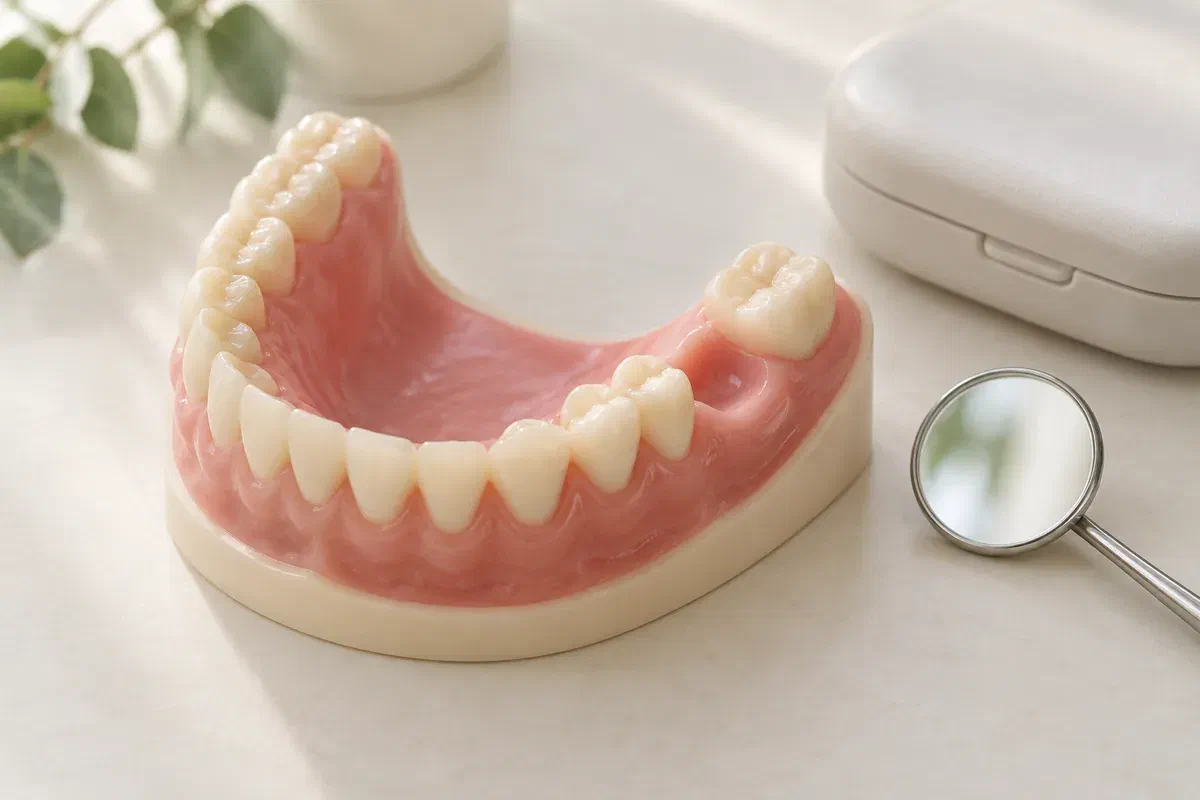
Illustrative dental arch model with a missing back tooth beside a dental mirror
Before you pick up the phone

A few details will make the first conversation far more useful

Naming the sore tooth is a start. The dentist also needs its story, your health background, and anything that made past dental work difficult, so the plan fits you rather than a general case.

A tooth that has broken or been repaired many times

Tell us about cracks, lost fillings, or a crown that has failed before, and whether anyone has questioned the tooth's future. That history helps, yet it is not the final word. Today's examination shows what condition the tooth is in now and whether keeping it is realistic.

Throbbing, swelling, or a sense of infection

Explain when the symptoms started, whether they are spreading or easing, and whether you feel unwell in general. Suspected infection deserves prompt attention, although it does not settle the choice between removal and other treatment. Let the team know about any antibiotics or other medicines you have already been given.

Health conditions and regular medicines

Bring an up-to-date list of medicines and allergies and note any past problems with bleeding. Blood thinners are especially important to mention. Keep taking prescribed medicine as directed; the dental team will advise you and, where needed, speak with your prescriber rather than expecting you to adjust it.

If swelling is spreading quickly, breathing or swallowing becomes difficult, or bleeding is heavy and will not stop, call 911 or go to a hospital emergency department instead of waiting for a dental appointment.

Leaving with clear answers

What a good extraction consultation gives you

If a tooth genuinely cannot be kept, removing it may deal with the diagnosed source of trouble. You should still hear what improvement to expect and what other treatment may follow. A recommendation to extract ought to be explained in terms of that particular tooth, not offered as the default outcome of any urgent appointment.

Equally, you deserve a plain account of the procedure and the days after it. Talk through the risks that apply, how comfort will be managed, the fees, and any referral. If you might replace the tooth later, ask how removal affects those choices, and know that you are not required to settle on a replacement right away.

Patient information: Royal Cornwall Hospitals — dental extraction risks and recovery

Alternatives weighed openly

Find out whether a filling, crown, root canal treatment, or another option is clinically reasonable, and why it is or is not being suggested. The answer should reflect the outlook for the tooth and the work it would need. Even on a painful day, you should understand why a permanent step is being taken.

Risks that belong to your tooth

Bleeding, slow healing, and site-specific issues such as nearby nerves or the sinus vary from tooth to tooth. Ask which ones apply to you and whether they change who should treat you or how. A front tooth and a lower molar rarely carry the same considerations.

A realistic picture of recovery

Ask about meals, cleaning, work, and when to come back if something feels wrong. Mention anything that will make rest hard. Advice tied to your procedure and anaesthetic beats a vague promise of a quick bounce-back.

How the visit unfolds

Four stages, from first look to final instructions

The order of appointments depends on the tooth and on you. Before you arrive, check whether the booking is for assessment only, for removal, or for arranging a referral, so nothing comes as a surprise.

  1. Examining the tooth and the reason for removal

    The dentist listens to your symptoms, looks at the tooth, and reviews any X-rays and health information that are needed. You will talk about other options and what delaying care could mean. Confirm exactly which tooth is involved and ask for anything unclear to be explained again.

  2. Settling the plan and how you will be kept comfortable

    Consent, fees, anaesthetic, and whether a different setting is needed are all reviewed. Local anaesthetic is usually used to numb the area. Tell the clinician if numbing has been difficult before or if you feel anxious, and agree on a hand signal for a pause.

  3. Taking the tooth out with a suitable technique

    The approach depends on the tooth and how it sits in the jaw. Some removals need extra surgical steps or a few stitches. Beforehand, ask what is expected and how an unexpected complication would be handled, including whether specialist care could become necessary.

  4. Reviewing the site and the instructions for home

    Once the tooth is out, the clinician checks the area and explains how to control bleeding and look after the socket. Confirm any follow-up visit, stitch removal, or referral still to come. Make sure you know how to reach us for advice if something worries you later.

Looking after the socket

Healing goes best when the site is left alone and the plan is followed

What you do afterwards depends on the extraction itself, whether stitches were placed, and your general health. Ask for written instructions, and check any point that differs from what you were told after an earlier removal.

Controlling bleeding and keeping the area clean

Use the method you were shown, and keep fingers, tongue, and objects away from the socket. Stick to the timing given for rinsing and brushing nearby. If bleeding does not settle as expected, call the treating provider rather than checking the site again and again.

Meals, medicines, and the rest of your day

Follow the guidance on numbness, soft foods, smoking, and physical activity. Take pain relief and any other medicine only as directed, and ask whether it suits your other prescriptions or conditions. Don't stop or change your regular medicines without professional advice.

Recovery that is going the wrong way

Get in touch if pain is increasing, swelling is new or growing, bleeding continues, you develop a fever, or you notice an unusual change in feeling. Have the date of the extraction ready and describe what has changed. A rough recovery deserves a proper look rather than being written off as normal.

Patient information: Guy's and St Thomas' — caring for the mouth after dental surgery

Keep it, remove it, or refer it

Three routes, and the reasons each might fit

For every option, ask what it is meant to achieve and where its limits lie. The right choice depends on the diagnosis, how much tooth remains, how well it is supported, and what you prefer once you are fully informed.

When it can still be sensibly restored

Treatment aimed at saving the tooth

A repair or root canal treatment may be an option if the tooth can be rebuilt properly. Ask about every stage, the likely outlook, and how the tooth would be protected afterwards. A sore tooth should be judged on its prospects, not dismissed simply because it hurts today.

When extraction is the agreed choice

Removal with a clear recovery plan

Before you consent, go over the procedure, the relevant risks, and what recovery involves. Ask whether a simple removal is expected or whether surgical steps may be needed. The plan should also note any review and whether replacement options should be discussed later.

When the tooth or your health calls for it

Referral to a specialist or hospital team

A difficult tooth, certain medical risks, or other needs can make another setting more appropriate. Ask what information will be passed on and how that appointment is booked. Know what to do if symptoms worsen while you wait to be seen.

Questions from Milton callers

What people ask before a tooth comes out

Use these as a starting point for your own questions. Only the examination can show whether extraction is right and where it should take place.

(905) 876-4488
If I call about a painful tooth, am I agreeing to have it pulled?
No. You are asking for an assessment. The dentist will explain the findings and the reasonable options, and treatment is chosen only after that discussion. Making the appointment is not consent to removal and does not mean extraction is needed.
What should I take for the pain while I wait for my appointment?
Use over-the-counter pain relief only as the label directs, and check with a pharmacist if you take other medicines or have health conditions. Don’t place tablets against the gum. If pain is uncontrolled or swelling spreads, call promptly or seek urgent care.
Can I eat before an emergency extraction under local anaesthetic?
Usually a light meal beforehand is fine and can make the day easier, but follow any specific instructions the team gives you. Arrangements can differ if a referral involves another type of anaesthesia, so ask once the plan is clear.
How long will my lip and cheek stay numb afterwards?
It varies with the anaesthetic used and the area treated, so ask on the day. While you are numb, avoid hot drinks and chewing on that side to prevent accidental bites or burns. Call if feeling has not returned when you were told it would.
Will I need to come back after the tooth is removed?
Sometimes. A review, stitch removal, or a referral may be part of the plan, and some removals need no further visit. Ask before you leave what is booked and how to reach the clinic if healing does not go as expected.
Is the gap something I have to deal with straight away?
Not usually. Replacement options such as a bridge, denture, or implant can be discussed once the urgent problem is settled. Ask whether anything about timing matters in your case. Having a tooth removed does not lock you into any particular replacement.
Urgent extraction care in Milton

Call first. We'll look at the tooth before deciding anything.

Phone our Bronte Street practice to describe the painful or broken tooth and ask about current availability. We can talk through assessment, why removal might be considered, and whether a referral could be involved. If you need immediate help and cannot reach us, contact another available emergency provider.

Online requests are not monitored as emergencies. Whether a tooth should be removed, where, with which anaesthetic, and at what cost depends on assessment. We cannot guarantee same-day removal.

Visit Milton Dental Clinic
Unit 1, 342 Bronte St. S, Milton, ON L9T 5B7
Get directions Clinic hours
Monday–Thursday
11am–7pm
Friday–Sunday
By appointment only

Areas we serve

  • Milton
  • Oakville
  • Mississauga
  • Georgetown
  • Halton Hills
  • Acton
  • Campbellville
  • Brampton
  • Burlington
  • Puslinch
  • Rockwood
  • Erin
  • Caledon
  • Etobicoke
  • Old Milton
  • Bronte Meadows
  • Timberlea
  • Dorset Park
  • Dempsey
  • Clarke
  • Beaty
  • Coates
  • Harrison
  • Scott
  • Willmott
  • Ford
  • Bowes
  • Cobden
  • Walker
  • Mountain View
  • Milton Heights
  • Hawthorne Village
  • Valley View
  • Fallingbrook
  • Nassagaweya
  • Trafalgar
  • Esquesing
  • Nelson
  • Brookville
  • Moffat
  • Glen Williams
  • Norval
  • Limehouse
  • Stewarttown
  • Ashgrove
  • Hornby
  • Silver Creek
  • Speyside
  • Scotch Block
  • North Oakville
  • River Oaks
  • Glen Abbey
  • West Oak Trails
  • Palermo
  • Bronte Creek
  • College Park
  • Joshua Creek
  • Uptown Core
  • Preserve
  • Iroquois Ridge
  • Lisgar
  • Meadowvale
  • Meadowvale Village
  • Churchill Meadows
  • Erin Mills
  • Central Erin Mills
  • Streetsville
  • East Credit
  • Creditview
  • Heartland
  • Sheridan
  • Mount Pleasant
  • Credit Valley
  • Huttonville
  • Churchville
  • Springbrook
  • Northwest Brampton
  • Bram West
  • Fletcher's Meadow
  • Fletcher's Creek South
  • Alton Village
  • Orchard
  • Millcroft
  • Headon Forest
  • Tansley
  • Brant Hills
  • Tyandaga
  • Kilbride
  • Lowville
  • Aberfoyle
  • Morriston
  • Arkell
  • Hillsburgh
  • Freelton
  • Carlisle
  • Waterdown
  • Flamborough
  • Mountsberg

How can we help?

Milton Dental Clinic

Have a question about your smile? Choose the option that works best for you.

For urgent dental concerns, please call.
Messages are reviewed during clinic hours.