

Illustrative adult patient discussing an oral tissue assessment with a clinician
Specialized Care

Frenectomy in Old Milton

Adults are sometimes told about a lip or tongue attachment for the first time during gum or orthodontic care. From Old Milton, our nearby practice can review that finding with you, explain what a frenectomy would aim to do, and set out the alternatives first.

Frenectomy for Old Milton adults

A small fold of tissue, a much bigger plan around it.

It can come as a surprise in adulthood. A hygienist or orthodontist points to the band of tissue joining your lip to the gum, or the one beneath your tongue, and mentions it might be worth assessing. That band is a frenulum. A frenectomy removes it when there is good clinical cause, while a frenotomy divides it and a frenuloplasty reshapes it, so the exact term on a referral matters.

What earns treatment is a problem the attachment is contributing to, not its size or shape. An examination looks at how the lip or tongue moves and how the tissue relates to the gums and teeth. The word tie, or a resemblance to something seen online, cannot settle whether surgery would help.

Our Bronte Street office sits close to Milton’s historic downtown, so many long-time Old Milton households already know us for routine care. Bring the letter or note that raised the question, along with your own sense of what feels off. We can talk through assessment, planning, and any referral that makes sense.

Talk to us about a frenulum finding
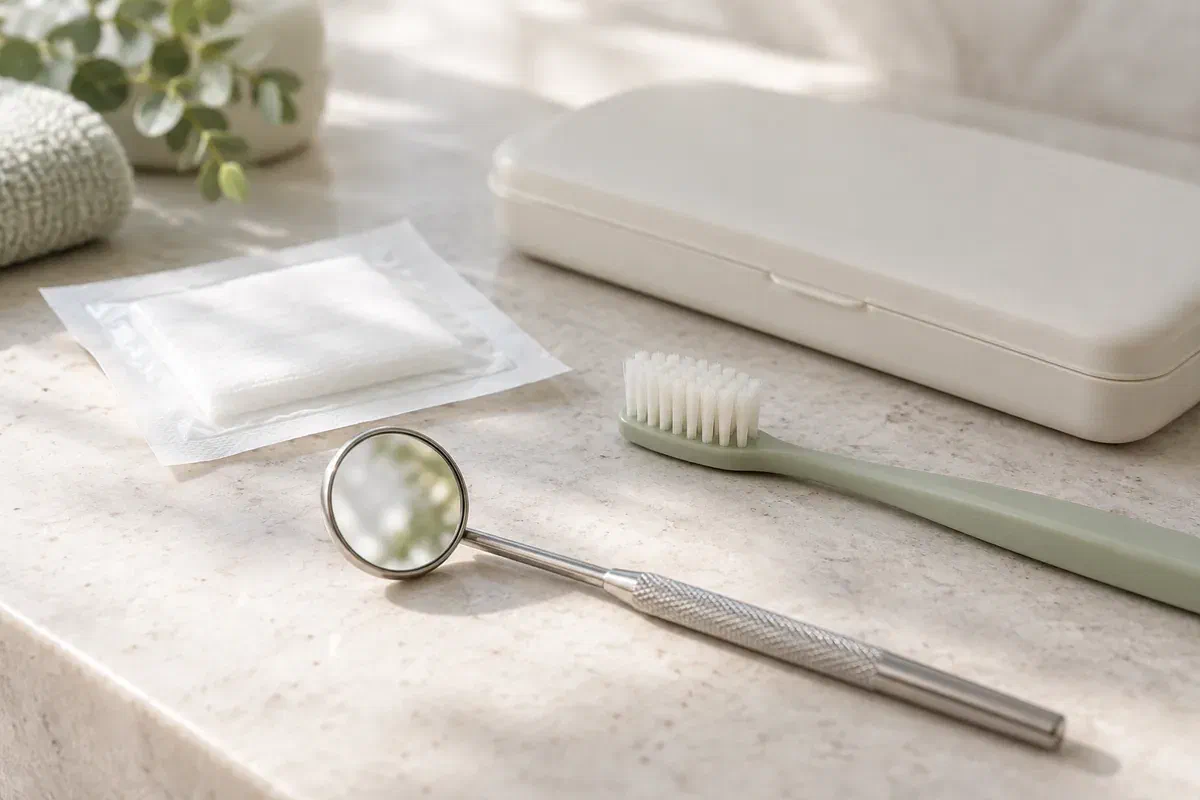
Illustrative dental mirror and gentle oral-care supplies beside a closed instrument case
Sorting out the source of the question

Who raised it, and why, guides the next step.

An attachment flagged during gum care raises different questions from one noticed by an orthodontist or a speech therapist. Whatever you have been told, bring it along so the tissue can be judged within the full picture.

Tongue or lip movement that feels held back

Say what you find awkward, how long it has felt that way, and whether it stays the same. Ask the clinician how function will be tested rather than just looked at. The aim is to pin down a real, everyday difficulty, not to measure your mouth against a stranger’s photograph.

A note from gum care or orthodontics

When a procedure is proposed alongside periodontal or orthodontic treatment, ask exactly which finding it addresses. The order of steps can matter, particularly if a space between teeth is part of the discussion. Make sure the proposal is explained as one piece of the wider plan.

A grandchild or child with feeding or speech worries

Many households look after more than one generation. If a younger family member has a feeding or speech concern, bring any assessments and describe the difficulty. Feeding needs medical and feeding support, and speech may need a speech-language assessment before surgery is considered.

Shared care among dental, feeding, speech, and orthodontic providers helps confirm whether a procedure is justified and when it would fit. A visible frenulum on its own is not a reason to treat.

Questions the visit should answer

What exactly would improve, and what would stay the same?

Once a clinically significant restriction or tissue-related concern has been identified, a procedure may become one option among several. Press for specifics: what should be different afterward, and how will that be checked? A sound goal is anchored to the documented problem, not to wide claims about better sleep, clearer speech, or improved overall wellbeing.

Ask, too, about everything the surgery cannot reach. Gum health, tooth position, or habits may continue to need their own attention after the tissue has healed. Hearing those limits early lets you decide calmly whether the proposal matches what you want from treatment.

An explanation grounded in your exam

You should be told which attachment is in question and which finding points toward treatment. Ask how it differs from a normal variation. If another test or opinion is recommended, find out what question it is supposed to settle.

Other routes and the right moment

Monitoring, supportive care, input from another professional, or folding the decision into ongoing gum or orthodontic work may all be appropriate. Ask what waiting would mean. Timing should follow the reason for care and the clinical situation as a whole.

Specifics on how it would be done

Cover the technique, the type of anaesthetic, whether stitches are expected, the risks, and the recovery. Ask who would carry it out and in what setting. Talking about a procedure with us does not mean every method or anaesthetic option is offered on site.

The path to a decision

Four conversations before anything is scheduled.

What happens depends on where the attachment is, the patient’s age, and why treatment is on the table. An assessment visit does not roll straight into surgery.

  1. Share the referral and your history

    Tell us what prompted the question and hand over any reports from your hygienist, periodontist, orthodontist, or therapist. We go over medical history, medicines, allergies, and earlier work in the area. Ask whether a further opinion should come first.

  2. Examine how the tissue behaves

    The clinician checks the attachment while you move your lip and tongue, keeping the original concern in mind. Ask what the results show and whether looks and function agree. If the indication is uncertain, you should hear why before any choice is made.

  3. Decide with full information

    Review likely benefit, limits, alternatives, fees, and healing. If a frenectomy is appropriate, the clinician describes how much tissue would be removed and whether the site would be stitched. Anaesthetic and setting are matched to your health and circumstances.

  4. Set up recovery and a review

    Confirm how to clean, what to eat, how to stay comfortable, and whether more professional support is needed. Ask when healing and function will be rechecked. If your orthodontist or periodontist is also involved, agree on how notes and follow-up will be shared.

The days after treatment

Gentle care now, an honest check later.

Instructions should match the procedure you had and your own health. Keep the written version you were given, and resist swapping in a routine meant for a baby or for someone else’s treatment.

Keep to the food and cleaning advice

Find out how to clean around the area, when regular brushing returns, and what to expect from any stitches. Follow guidance on numbness and soft choices at meals. If soreness makes the instructions hard to follow, contact whoever treated you.

Report anything that is getting worse

Ask which symptoms are expected and which should be checked quickly. Bleeding that will not settle, rising swelling, fever, or trouble eating and drinking deserve a call. Difficulty breathing or swallowing is an emergency and needs immediate medical care.

Measure progress against the reason you started

Tissue that looks healed has not automatically solved the original concern. Attend your review and explain what has changed in the activity that led to care. Lingering difficulty should be properly assessed instead of being put down to reattachment by default.

Patient information: American Academy of Pediatrics — infant frenotomy selection and aftercare

Comparing the choices

Not every finding leads to the same answer.

Ask which choice fits the problem that has been documented, and why. Frenula are normal anatomy, so a recommendation to treat one should come with a clear account of what it would fix.

When the exam shows no problem needing surgery

Keeping watch, no procedure

You may be advised to monitor the area or seek another opinion rather than act now. Ask what changes to look for and when to come back. Holding off can be a thoughtful plan in its own right when findings do not justify surgery.

When gums, orthodontics, feeding, or speech are part of it

Coordinated help for the underlying issue

A periodontist, orthodontist, or therapist may need to weigh in before or during dental care. Ask how each provider’s part relates to the goal. Removing tissue should not stand in for understanding why something is difficult.

When the findings point toward treatment

A frenulum procedure with good reason behind it

Go over the specific operation, what it should achieve, the alternatives, and risks including pain, bleeding, infection, scarring, or symptoms that continue. Ask what evidence supports the technique. A particular device or procedure name is not proof of a better outcome.

Asked often in Old Milton

What adults tend to ask first.

Bring the finding and whatever concern came with it. These answers are a starting point for the conversation and do not assume every attachment needs to be removed.

(905) 876-4488
Can an adult have a frenectomy, or is it only done for children?
Adults can be assessed and, when there is a clear indication, treated. Age changes some of the planning, but the core question stays the same: is the attachment contributing to a specific problem that a procedure could reasonably address?
My hygienist pointed out the attachment near my lower front teeth. What does that mean?
It means the tissue was worth noting, not that surgery has been decided. Ask what was observed and whether it relates to a gum concern. An examination can clarify whether monitoring, other care, or a procedure fits best.
Is the frenectomy done before or after orthodontic treatment?
There is no single rule. Timing depends on the reason for treatment and the orthodontic plan, and the two providers often need to agree. Ask both where the procedure would sit in the sequence and why.
How do I know which term on my referral applies to me?
Frenotomy divides an attachment, frenectomy removes it, and other techniques are used in particular situations. Ask the clinician to name the procedure being proposed and explain why that extent of treatment suits the problem identified.
Will the procedure keep a speech difficulty from developing later on?
That should not be promised. Surgery is not a guaranteed way to head off a future speech problem, and an existing difficulty may need a speech-language assessment. Any decision should address a documented concern with realistic expectations.
Do I need to bring anything to the first appointment?
Bring any referral letter, reports from other providers, a list of medicines, and a short note of what you have noticed. Questions about alternatives, timing, fees, and referral are welcome, and the visit does not commit you to treatment.

Patient information: AAPD — procedure definitions and orthodontic timing considerations · Royal Cornwall — avoiding preventive tongue-tie procedures without a current functional indication

Frenectomy visits near the historic core

Get a clear reading of the finding before committing to anything.

Call or book with our Bronte Street practice to review a frenectomy suggestion or an attachment someone has pointed out. Bring the paperwork you have, and we can consider the assessment, other options, and whether coordinated or specialist care is wise.

Whether treatment is indicated, suitable for age, and available here, along with technique, anaesthetic, referral, fees, and expected benefit, needs individual assessment. Improvement in speech, feeding, spacing, or function is never guaranteed.

Visit Milton Dental Clinic
Unit 1, 342 Bronte St. S, Milton, ON L9T 5B7
Get directions Clinic hours
Monday–Thursday
11am–7pm
Friday–Sunday
By appointment only

Areas we serve

  • Milton
  • Oakville
  • Mississauga
  • Georgetown
  • Halton Hills
  • Acton
  • Campbellville
  • Brampton
  • Burlington
  • Puslinch
  • Rockwood
  • Erin
  • Caledon
  • Etobicoke
  • Old Milton
  • Bronte Meadows
  • Timberlea
  • Dorset Park
  • Dempsey
  • Clarke
  • Beaty
  • Coates
  • Harrison
  • Scott
  • Willmott
  • Ford
  • Bowes
  • Cobden
  • Walker
  • Mountain View
  • Milton Heights
  • Hawthorne Village
  • Valley View
  • Fallingbrook
  • Nassagaweya
  • Trafalgar
  • Esquesing
  • Nelson
  • Brookville
  • Moffat
  • Glen Williams
  • Norval
  • Limehouse
  • Stewarttown
  • Ashgrove
  • Hornby
  • Silver Creek
  • Speyside
  • Scotch Block
  • North Oakville
  • River Oaks
  • Glen Abbey
  • West Oak Trails
  • Palermo
  • Bronte Creek
  • College Park
  • Joshua Creek
  • Uptown Core
  • Preserve
  • Iroquois Ridge
  • Lisgar
  • Meadowvale
  • Meadowvale Village
  • Churchill Meadows
  • Erin Mills
  • Central Erin Mills
  • Streetsville
  • East Credit
  • Creditview
  • Heartland
  • Sheridan
  • Mount Pleasant
  • Credit Valley
  • Huttonville
  • Churchville
  • Springbrook
  • Northwest Brampton
  • Bram West
  • Fletcher's Meadow
  • Fletcher's Creek South
  • Alton Village
  • Orchard
  • Millcroft
  • Headon Forest
  • Tansley
  • Brant Hills
  • Tyandaga
  • Kilbride
  • Lowville
  • Aberfoyle
  • Morriston
  • Arkell
  • Hillsburgh
  • Freelton
  • Carlisle
  • Waterdown
  • Flamborough
  • Mountsberg

How can we help?

Milton Dental Clinic

Have a question about your smile? Choose the option that works best for you.

For urgent dental concerns, please call.
Messages are reviewed during clinic hours.