

Illustrative adult patient discussing an oral tissue assessment with a clinician
Specialized Care

Frenectomy in Puslinch

Some adults have wondered about their tongue or lip attachment for years. If you’re coming from Puslinch, we can assess how the tissue actually functions, explain what a frenectomy could realistically change at your age, and discuss whether any treatment is worthwhile.

Adult frenulum care for Puslinch

Felt tied your whole life? It’s worth asking what that means.

Plenty of adults remember being told as children that their tongue was a little tied, and never heard about it again. Others only start wondering after reading something online. The structure involved is the frenulum, a band under the tongue or between lip and gum. A frenectomy takes it out; a frenotomy releases it; a frenuloplasty repositions it.

For adults, the useful question is whether the attachment is causing a problem today. That could involve eating, speaking, keeping teeth and gums clean, or a gum or orthodontic issue. A frenulum that looks short, or a label from childhood, does not prove that treatment now would make a noticeable difference.

Puslinch is a rural township west of Milton, and adults from there often arrive with a long history and a specific frustration in mind. Tell us what bothers you and bring any records you have. We can examine function, discuss realistic goals, and help arrange referral or shared care when that is the better route.

Book an adult frenulum assessment
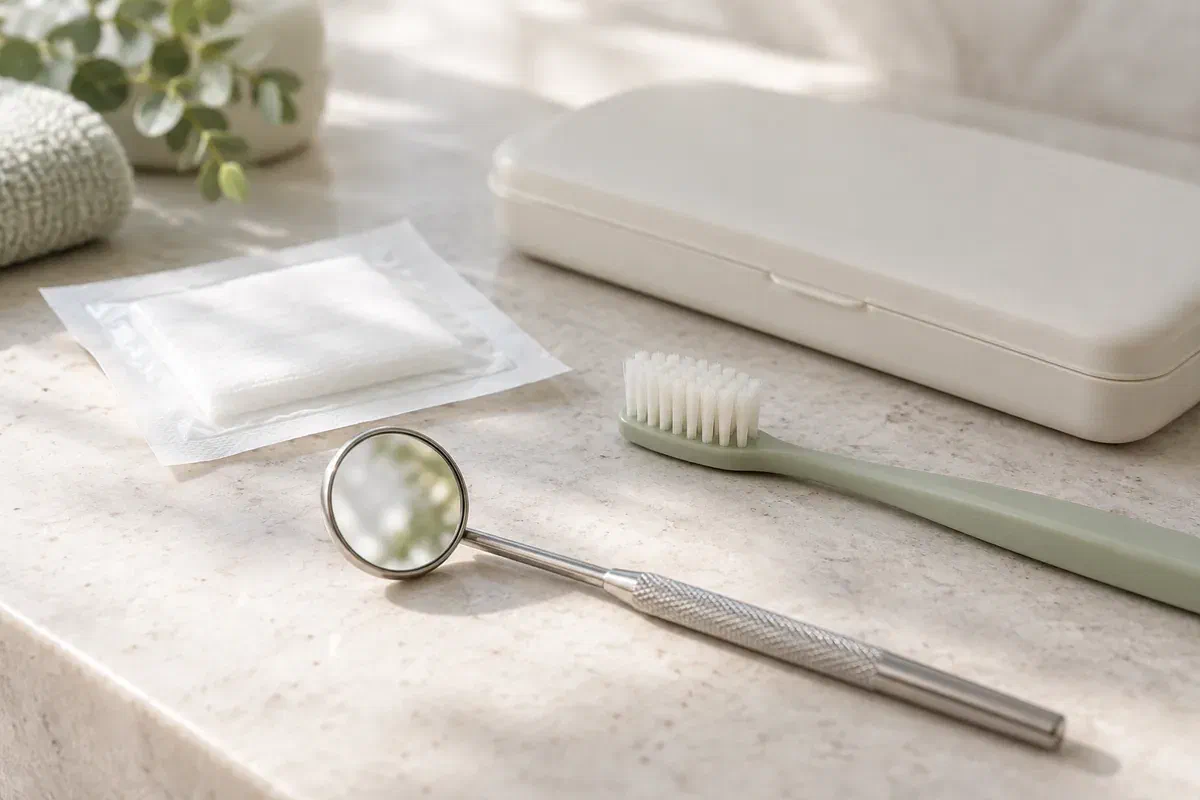
Illustrative dental mirror and gentle oral-care supplies beside a closed instrument case
Describing the problem

What exactly does the tissue get in the way of?

Adults can usually describe the difficulty precisely, and that precision is valuable. Bring any notes from a dentist, hygienist, orthodontist, or therapist who has looked at it before.

Tongue or lip movement that feels limited

Explain what you cannot do comfortably, how long you have noticed it, and whether it varies. Ask how the exam will test range and control. Specific examples from meals, speech, or cleaning help far more than comparing your mouth with internet images.

Gum recession or an orthodontic question

Adults sometimes hear about the attachment during gum treatment or adult orthodontics. Ask which finding the procedure would address and how it fits with the rest of the plan, particularly if a space between teeth or gum health near the attachment is involved.

A child at home with feeding or speech concerns

If you are also asking for a child, bring their assessments. A child’s feeding difficulty needs medical and feeding support, and unclear speech is the territory of a speech-language pathologist. A visible attachment is not proof of the cause.

For adults and children alike, bringing dental, speech, feeding, and orthodontic perspectives together helps decide whether treatment is indicated and when. Most frenula are normal and need nothing.

Realistic expectations for adults

Small, specific goals beat sweeping promises.

If the exam shows a meaningful restriction that relates to your concern, a procedure might help with that one issue. Ask what change you should notice and how the review will measure it. Be cautious of claims that releasing the tissue will transform posture, sleep, headaches, or overall health; those go well beyond what a frenulum procedure addresses.

Adults have spent years adapting how they speak and swallow. Those patterns may not change just because tissue has been released, and some people are offered therapy afterward. Knowing this in advance helps you decide whether the potential benefit is worth the procedure and recovery.

An explanation based on your findings

Ask which attachment is involved and what you were seen doing, or not doing, that supports treatment. You should be able to tell normal variation from a real problem. Where the clinician wants another opinion or further records first, it is fair to ask what that extra step is expected to settle and whether it changes the advice.

The non-surgical side of the decision

Monitoring, therapy, gum care, or adult orthodontic planning may address the concern on their own or come first. Ask what would happen if you chose not to proceed. At this stage of life, timing is usually about convenience and the clinical plan rather than growth.

How it would fit into your life

Ask about the technique, anaesthetic, stitches, risks, and the usual recovery so you can plan work and meals. Find out who would perform it and where. Some methods or anaesthetic options may require referral rather than treatment at our office.

Four steps for adults

Talk, test, weigh, review.

The process depends on which attachment is involved and why treatment is being considered. Assessment comes first, and any procedure is planned separately once you have had time to decide.

  1. Share your history in detail

    Tell us what you have noticed, when, and what you have tried. Bring previous records and details of your health, medications, and allergies. Ask whether another professional’s assessment would help before any surgical decision.

  2. Test function, not just appearance

    The clinician observes the attachment while you move your tongue and lips, relating the findings to your concern. Ask whether what is seen explains what you feel. Any doubt about the indication should be shared with you.

  3. Weigh the trade-offs

    Discuss what might improve, what would not, the alternatives, costs, and recovery. If treatment is appropriate, ask how extensive it would be, whether stitches are used, and how anaesthetic and setting are chosen for an adult.

  4. Plan aftercare and a functional review

    Confirm instructions for eating, cleaning, and comfort, and book a review that looks at the original concern. If a therapist, periodontist, or orthodontist is involved, agree on how information will be exchanged.

Recovering as an adult

Plan a few easy days and keep the review.

Aftercare should match your procedure. Ask for written instructions and avoid routines designed for babies or for a different type of treatment.

Eating and cleaning while healing

Ask how to clean the area, when normal brushing returns, and how to look after any stitches. Follow advice on numbness and softer meals. If discomfort interferes with eating or sleep, call the treating office for guidance.

When to seek help

Learn what is normal. Persistent bleeding, increasing swelling, fever, or difficulty eating or drinking should be reported promptly. Any trouble breathing or swallowing is an emergency that needs immediate medical attention.

Judging the result honestly

A healed site does not by itself show that the original frustration has eased. At the review, describe what has and has not changed. If difficulty persists, ask for reassessment rather than assuming reattachment.

Patient information: American Academy of Pediatrics — infant frenotomy selection and aftercare

Your options as an adult

Live with it, work around it, or treat it.

Ask which option fits the concern you have described and why. A frenulum is normal anatomy, so treating one should solve a clearly identified problem.

When no significant problem requiring surgery is found

No procedure, with reassurance or monitoring

Sometimes an adult learns that the attachment is within the normal range and is not the cause of the concern. Ask what else might explain it and when to return. Choosing not to operate can be the right answer, and many adults find it a relief to hear that something they had worried about for years is simply part of how their mouth is built.

When speech, gums, or orthodontics are the main issue

Therapy or other dental care first

A speech-language professional, periodontist, or orthodontist may address the concern directly. Ask how their work relates to your goal. A procedure should not substitute for understanding the full reason something is difficult.

When assessment supports intervention

A procedure for a clear indication

Discuss the operation proposed, what it is expected to achieve, alternatives, and risks such as soreness, bleeding, infection, scarring, or persisting symptoms. Ask what evidence supports the technique. A particular instrument does not guarantee a better outcome.

Adult frenectomy questions

What adults want to know before deciding.

Bring your history and the specific concern. These answers help frame the visit without assuming that treatment is needed.

(905) 876-4488
I’ve felt tongue-tied my whole life. Is it worth being assessed as an adult?
It can be, especially if there is a specific difficulty you would like to understand. The assessment looks at whether the attachment contributes to that concern today and whether any treatment is likely to help.
Can a tongue attachment cause neck pain, headaches, or poor posture?
Claims like these go well beyond the evidence that supports frenulum procedures. A decision should be based on a documented oral function concern. Ask for evidence whenever a procedure is promoted for broad health effects.
Will I need time off work after a frenectomy?
It depends on the procedure, your job, and how you heal. Ask the clinician what the first days typically involve so you can plan meals, speaking demands, and any time away.
Do adults usually need therapy after a tongue procedure?
Some do. Long-standing speech or swallowing patterns may need support from a qualified therapist, and the procedure alone may not change them. Ask whether therapy is recommended in your case.
Is a frenectomy covered by dental insurance?
Coverage varies between plans and depends on the procedure and the reason for it. Ask your insurer directly. We can provide treatment details to help you check what your plan includes.
How should I describe the problem so the exam is useful?
Be specific: what you cannot do, when it bothers you, how long it has been the case, and what you have already tried. Notes like these help the clinician connect the findings to your concern.

Patient information: AAPD — procedure definitions and orthodontic timing considerations · Royal Cornwall — avoiding preventive tongue-tie procedures without a current functional indication

Visiting from Puslinch

Find out whether a lifelong question has a practical answer.

Call our Bronte Street practice to discuss a frenectomy recommendation or an attachment you have wondered about for years. Bring any earlier records, and we can talk through assessment, alternatives, recovery, and whether shared or specialist care would help.

Indication, technique, anaesthetic, treatment location, referral, fees, and expected benefit are assessed individually. No change in speech, eating, oral care, or other function can be guaranteed.

Visit Milton Dental Clinic
Unit 1, 342 Bronte St. S, Milton, ON L9T 5B7
Get directions Clinic hours
Monday–Thursday
11am–7pm
Friday–Sunday
By appointment only

Areas we serve

  • Milton
  • Oakville
  • Mississauga
  • Georgetown
  • Halton Hills
  • Acton
  • Campbellville
  • Brampton
  • Burlington
  • Puslinch
  • Rockwood
  • Erin
  • Caledon
  • Etobicoke
  • Old Milton
  • Bronte Meadows
  • Timberlea
  • Dorset Park
  • Dempsey
  • Clarke
  • Beaty
  • Coates
  • Harrison
  • Scott
  • Willmott
  • Ford
  • Bowes
  • Cobden
  • Walker
  • Mountain View
  • Milton Heights
  • Hawthorne Village
  • Valley View
  • Fallingbrook
  • Nassagaweya
  • Trafalgar
  • Esquesing
  • Nelson
  • Brookville
  • Moffat
  • Glen Williams
  • Norval
  • Limehouse
  • Stewarttown
  • Ashgrove
  • Hornby
  • Silver Creek
  • Speyside
  • Scotch Block
  • North Oakville
  • River Oaks
  • Glen Abbey
  • West Oak Trails
  • Palermo
  • Bronte Creek
  • College Park
  • Joshua Creek
  • Uptown Core
  • Preserve
  • Iroquois Ridge
  • Lisgar
  • Meadowvale
  • Meadowvale Village
  • Churchill Meadows
  • Erin Mills
  • Central Erin Mills
  • Streetsville
  • East Credit
  • Creditview
  • Heartland
  • Sheridan
  • Mount Pleasant
  • Credit Valley
  • Huttonville
  • Churchville
  • Springbrook
  • Northwest Brampton
  • Bram West
  • Fletcher's Meadow
  • Fletcher's Creek South
  • Alton Village
  • Orchard
  • Millcroft
  • Headon Forest
  • Tansley
  • Brant Hills
  • Tyandaga
  • Kilbride
  • Lowville
  • Aberfoyle
  • Morriston
  • Arkell
  • Hillsburgh
  • Freelton
  • Carlisle
  • Waterdown
  • Flamborough
  • Mountsberg

How can we help?

Milton Dental Clinic

Have a question about your smile? Choose the option that works best for you.

For urgent dental concerns, please call.
Messages are reviewed during clinic hours.